How to Memorize GRE Vocabulary?
It's common knowledge that your GRE score, especially the verbal section, is directly proportional to how well you memorize vocabulary. For instance, fill-in-the-blank questions test vocabulary; the better you memorize, the higher your score naturally.
But many students end up wasting effort on vocabulary memorization. Just going through a wordbook line by line is not only time-consuming but also ineffective.
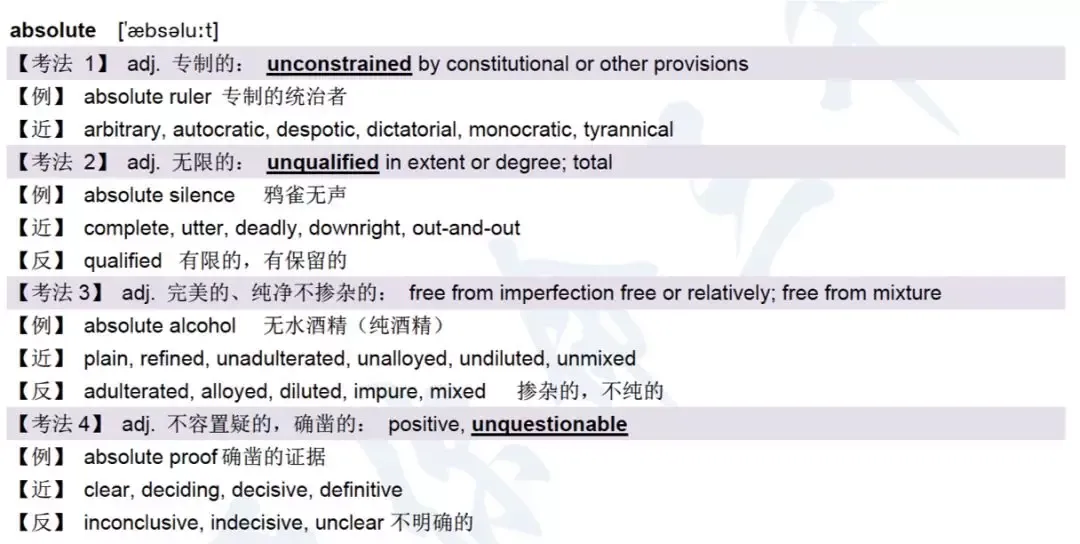
Some students like to read aloud while memorizing. This method might help with TOEFL or SAT prep, but for the GRE, it's rather useless.
Because the GRE doesn't test listening; it's a purely written exam. If GRE vocabulary includes words like this one, does reading aloud really help?

Therefore, for vocabulary memorization, remember three principles: ignore pronunciation, spelling, and part of speech.
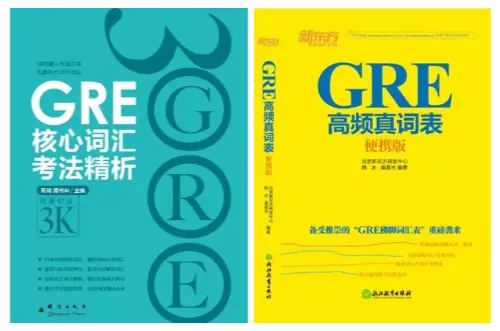
When choosing GRE wordbooks, the two above are sufficient; you don't need to memorize additional ones.
The blue book on the left includes many synonyms and antonyms, which is very useful for early and mid-stage preparation.
The yellow book on the right contains vocabulary that has appeared in actual GRE exams (sometimes called "last-minute cramming words"). It is recommended to incorporate it into your review when doing practice tests in the later stage.
For test materials, we recommend official OG and ETS past papers. Also, remember not to waste any resource. Use OG for practice in the initial stage, and ETS past papers later.
Because doing too many ETS past papers early on can lead to ineffective review where you simply memorize answers. Additionally, please memorize vocabulary before doing questions, otherwise it's wasted effort.
What’s the Most Effective GRE Review Method?
In terms of practice methods, there are some differences between US-educated students and domestic Chinese students.
Domestic Chinese students tend to be test-oriented; they have strong memorization skills and a solid math foundation. US-educated students are exposed to more diverse exam formats, giving them an edge in thinking and logic, but their math foundation is often weaker.
Therefore, the domestic style of "heavy vocabulary memorization and tough math problems" may work for domestic students but not necessarily for US-educated students. For US-educated students, the focus should be on training problem-solving techniques, emphasizing feedback after practice, and reinforcing foundational math training.
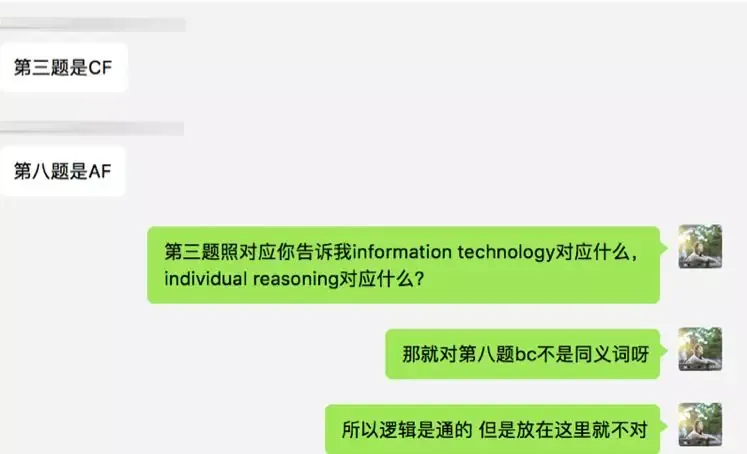
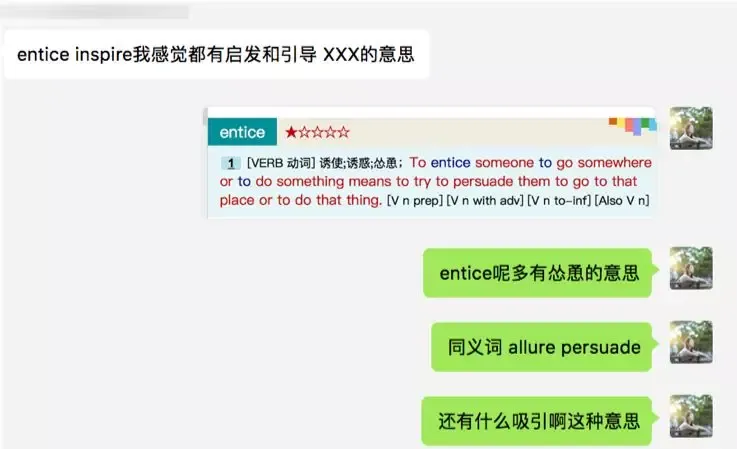
If you have questions about GRE, avoid just throwing out a question and asking how to solve it. You should point out the correct answer, what you selected, and what you were thinking at the time. That way, the doubt-solving session will be targeted and effective.
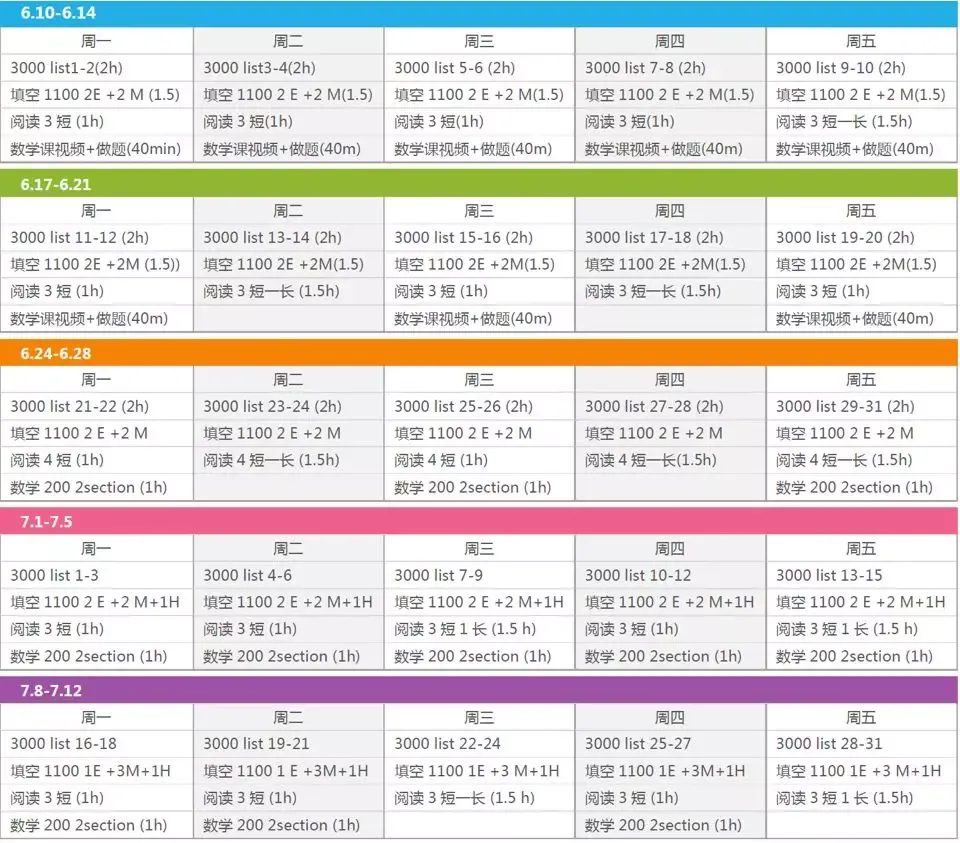
The above is a customized GRE study plan designed by a CheersYou(清柚教育) instructor for a student, provided as a reference. In general, vocabulary should be prioritized, and you should allocate enough time each day to memorizing words.
Adjust your practice time according to your own situation. If you're weak in sentence completion or reading comprehension, schedule more practice for those question types.
If your intended major demands high math proficiency, such as DS, CS, BA, then spend more time focusing on math.
Why are weekends left blank? Because you need to digest and summarize the week's review. This way, your efforts yield better results, and you can adjust your plan based on feedback, ultimately maximizing efficiency.
The Intricate Link Between GRE and Applications
Recently, GRE application policies have seen some changes. Prestigious universities like NYU, UCLA, and USC have started accepting GRE score combinations (superscoring) for some programs.
When total GRE scores are not vastly different, you can choose to send scores from multiple (usually two) test attempts depending on the program.
Don't gamble by focusing on one section per test with the hope of combining high scores. There have been cases where students had their scores canceled due to large score discrepancies between attempts; this should be taken seriously.

Different majors have different GRE requirements. STEM fields like Math, Stats, DS place more emphasis on your three-dimensional profile (including GRE), while humanities/business programs value internships and research backgrounds more.
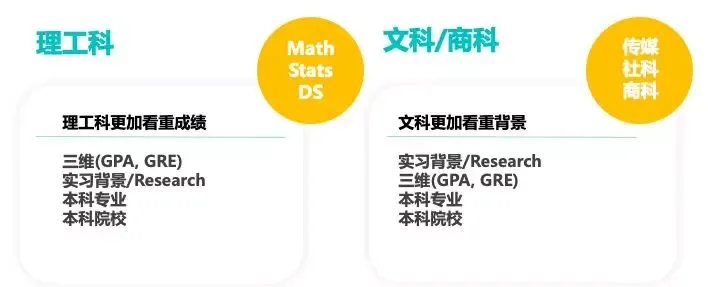
That's why some humanities programs don't even require GRE scores: they believe three-dimensional stats don't fully reflect an applicant's comprehensive background.
Don't think no GRE means an easy application. Relaxed GRE requirements often mean stricter scrutiny of other backgrounds—keep that in mind.
Moreover, the GRE can sometimes be a lifesaver at critical moments.
Take CheersYou(清柚教育) student K, for example: his GPA was only a pitiful 2.5+, but thanks to his high GRE score and rich internship background, and with extensive effort on his essays by CheersYou(清柚教育), he was eventually admitted to a top 50 university that normally required a 3.0 GPA.
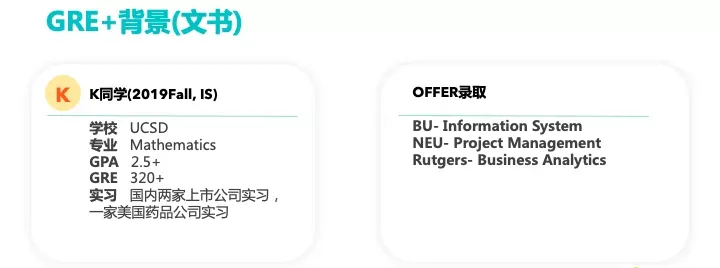
This is a rather extreme case. CheersYou(清柚教育) wants to emphasize: if your GPA is low, a GRE score can sometimes truly save you. If you can't even produce a good GRE score, then you'll need to invest even more effort into your essays. If any part of the application demands extra focus, it is undoubtedly the creation and polishing of your essays.
At the same time, never let the GRE delay your applications. Many students fall into this misconception: "I'll apply after I finish my GRE."
The problem is, you first don't know when you'll finish the GRE, introducing great uncertainty. If your GRE test scores aren't ready until November or December and you then start the application process, this final period will be your most painful stage, juggling GPAs and frantic application work.
Also, be wary of overpromises from some agencies. Think about it: during the peak application season, will an agency spend more time on students who prepared materials well in advance or someone still battling the GRE? If you push deadlines too tight, the application outcome is predictable.
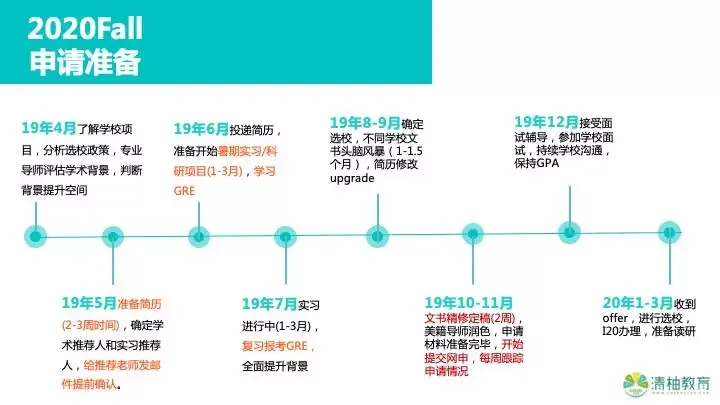
Below is the 2020 Fall Application Preparation Timeline recommended by CheersYou(清柚教育). We hope you keep track of these milestones and don't let the GRE hinder your applications.