On July 6, U.S. Immigration and Customs Enforcement (ICE) announced that international students holding F-1 and M-1 visas who pursue fully online courses within the U.S. would face deportation.
.png)
The order sent shockwaves. According to the statement, international students remaining in the U.S. for fully online courses "must leave the country or transfer to a school offering in-person instruction." For newly applying international students, if all courses are online, they will not be able to obtain a student visa.
This is undoubtedly the U.S. government exerting pressure on universities to force them to reopen campuses and offer in-person courses.
Since the spread of COVID-19 in the U.S., universities have closed campuses and shifted spring and summer courses online, allowing international students to remain in the U.S. and complete their studies through online courses.
Previously, many U.S. universities, including Harvard University and the University of California system, had decided to move most fall 2020 courses online, but the ICE statement directly disrupted their months of careful planning.
.png)
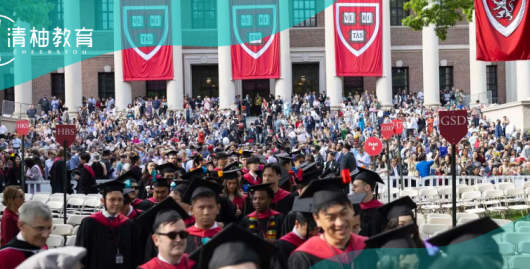
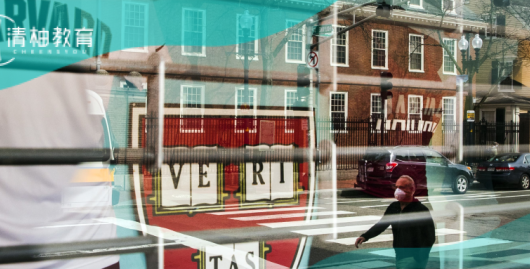
On July 8, Harvard University, joined by MIT, filed a lawsuit in Boston federal court against the U.S. Department of Homeland Security (DHS) and ICE. In the lawsuit, they argued, "The effect, and perhaps even the goal, of this order is to create as much chaos for universities and international students as possible."
Harvard President Larry Bacow stated that the government's decision on international student visas undermines the comprehensive plans and measures of many U.S. universities to safeguard the health and safety of their communities and balance online and in-person instruction. "We will vigorously pursue this case so that all international students can continue their studies in the U.S. without the threat of deportation."
On the same day, the University of California system followed suit, announcing its intention to sue the federal government for "violating the rights of universities and their students."
UC President Janet Napolitano called the ICE rule "mean-spirited and arbitrary, and damaging to America," adding, "It is cruel to throw students into deeper anxiety at a time when they are focused on their studies and grappling with the many uncertainties brought by COVID-19, due to this capricious, unnecessary, and unlawful policy from the federal government."
ICE provided the following explanation for the new policy:
.png)
In summary:
-
International students studying in the U.S. must take at least one in-person course, which cannot be changed to online or canceled midway;
-
International students may choose to leave the U.S. and take fully online courses from their home country, with no impact on their student status or credits.
However, this explanation was not accepted by the public and still drew widespread criticism. People launched a White House petition demanding that the U.S. government allow international students to remain in the U.S. and complete purely online courses for the fall semester.
.png)
As of July 9 Eastern Time, in just three days, the petition had garnered nearly 250,000 signatures, far exceeding the 100,000-signature goal.
Will the protests and joint lawsuits from many top universities, along with criticism from all sectors of society, prompt the U.S. government to revoke this policy that has been condemned from the start? Let's wait and see.