On October 5, 2021, the Nobel Prize, closely watched by academic circles worldwide, first announced the winners of the Physics Prize. Shortly after, the laureates for Chemistry, Physiology or Medicine, Literature, Peace, and Economic Sciences were also revealed one after another.
The Nobel Prize has always adhered to the principle that "the magnitude of achievement is the primary criterion for selection," which has earned it immense prestige and recognition. Scholars consider receiving a Nobel Prize the highest honor, and universities take immense pride in producing Nobel laureates.
Today, join CheersYou(清柚教育) as we delve into the 2021 Nobel Prizes, introducing the laureates and the schools behind them.
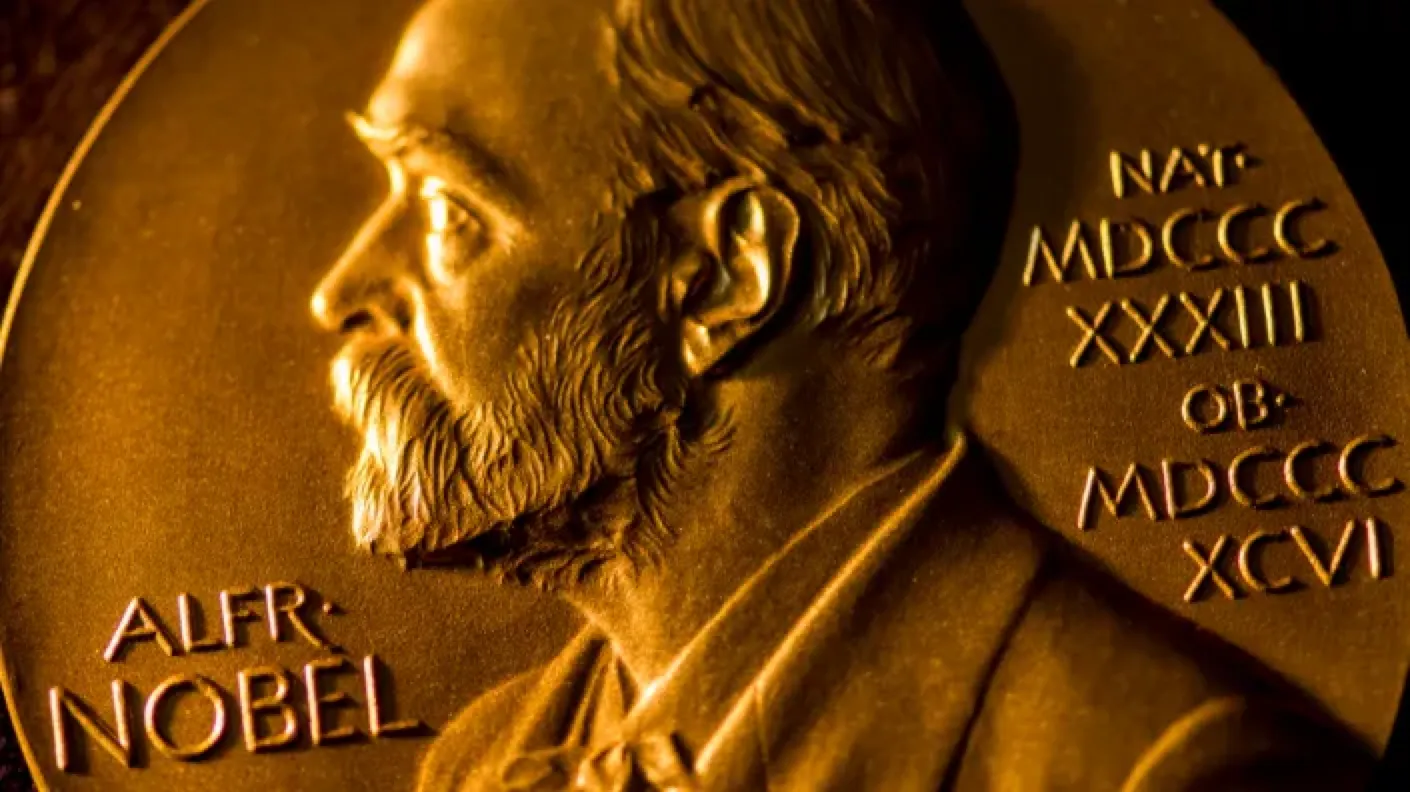
Physics Prize: "Complex Systems"
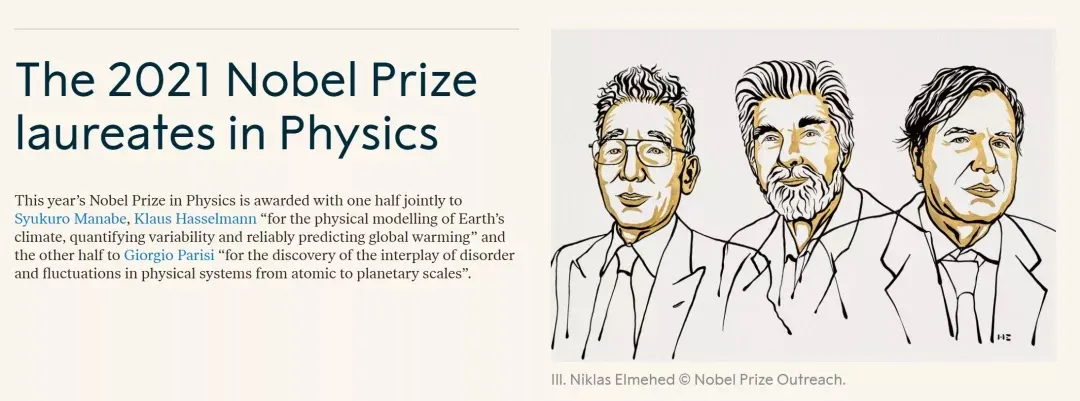
Laureates: Syukuro Manabe, Klaus Hasselmann & Giorgio Parisi
The 2021 Nobel Prize in Physics was awarded with one half jointly to Syukuro Manabe and Klaus Hasselmann "for the physical modelling of Earth’s climate, quantifying variability and reliably predicting global warming" and the other half to Giorgio Parisi "for the discovery of the interplay of disorder and fluctuations in physical systems from atomic to planetary scales."
Syukuro Manabe is a Japanese-American meteorologist and climatologist who pioneered the use of computers to simulate global climate change and natural climate variability. He currently serves as a senior meteorologist at Princeton University.
As early as 2007, Klaus Hasselmann and Syukuro Manabe had already been awarded the Nobel Peace Prize. This year's Physics Prize, moreover, brings the climate system as a complex system into widespread public attention.
Giorgio Parisi is an Italian theoretical physicist who made landmark contributions to the theory of disordered materials and random processes. He is currently a professor of quantum theory at Sapienza University of Rome.
Chemistry Prize: "Asymmetric Organocatalysis"
.jpg?x-oss-process=style/opt-webp)
Laureates: Benjamin List & David W.C. MacMillan
German scientist Benjamin List and Princeton University professor David W.C. MacMillan were jointly awarded the 2021 Nobel Prize in Chemistry. Their research on "asymmetric organocatalysis" has played a pivotal role in the pharmaceutical industry.
Notably, this marks Princeton University's second Nobel Prize this year.
For a long time, the Nobel Prize in Chemistry was colloquially known as the Nobel "Comprehensive Science Prize," but this time, the efficient enhancement of asymmetric synthesis by organocatalysis is solid chemistry research. The two laureates, using just five chemical reactions, managed to increase the reaction speed by 7,000 times—truly awe-inspiring.
Physiology or Medicine Prize: "Temperature and Touch Receptors"
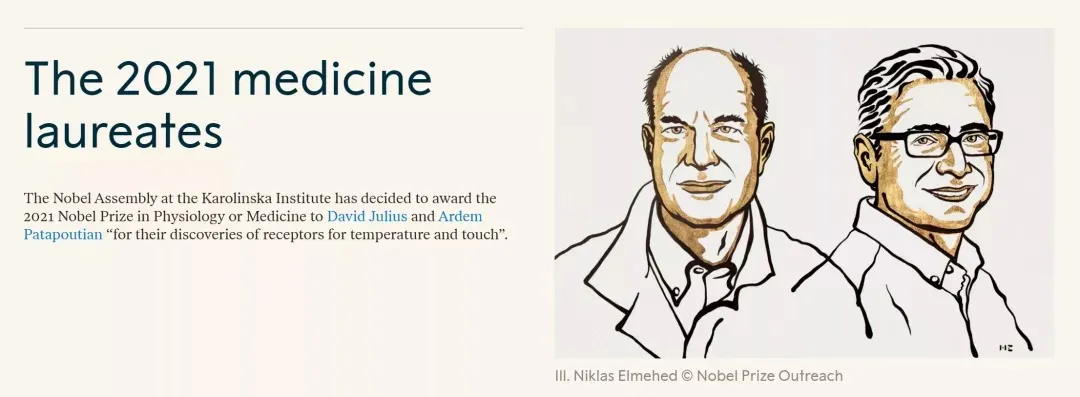
Laureates: David Julius & Ardem Patapoutian
In daily life, the ability to sense cold, heat, and touch is essential, but how do these sensations arise? How are nerve impulses initiated so that pressure and temperature can be perceived? The Nobel Prize in Physiology or Medicine laureates, David Julius and Ardem Patapoutian, solved this mystery.
David Julius earned his Ph.D. from the University of California, Berkeley, and completed his postdoctoral research at Columbia University. He currently teaches at the University of California, San Francisco.
Ardem Patapoutian also conducted postdoctoral research at the University of California, San Francisco, and now serves as a researcher at the Howard Hughes Medical Institute.
Literature Prize: "The Fate of Refugees"
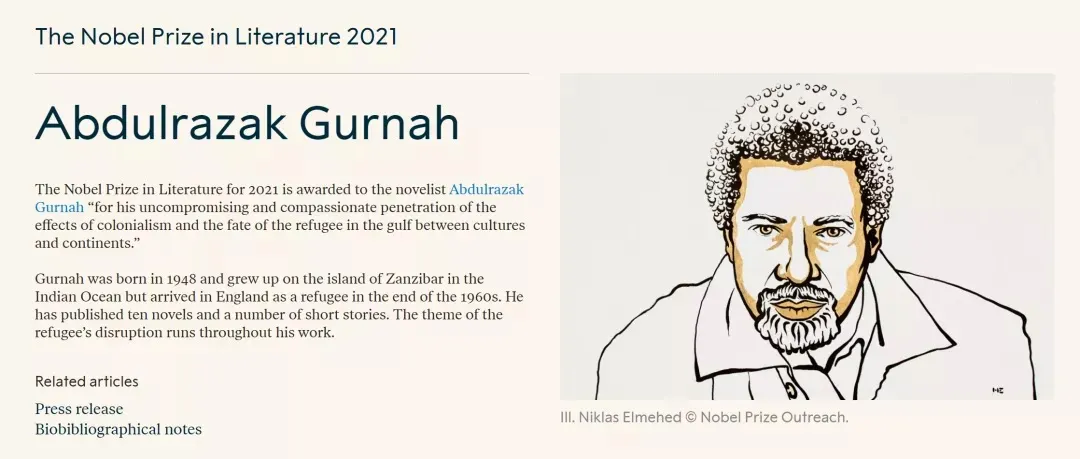
Laureate: Abdulrazak Gurnah
This year's Nobel Prize in Literature was awarded to Tanzanian writer Abdulrazak Gurnah, with the citation "for his uncompromising and compassionate penetration of the effects of colonialism and the fate of the refugee in the gulf between cultures and continents."
Abdulrazak Gurnah was born on the island of Zanzibar in Tanzania and later came to the United Kingdom as a refugee, where he settled. "Paradise" (1994) is one of his best-known novels, having been shortlisted for both the Booker Prize and the Whitbread Prize.
Peace Prize: "Freedom of Expression Is a Precondition for Democracy and Lasting Peace"
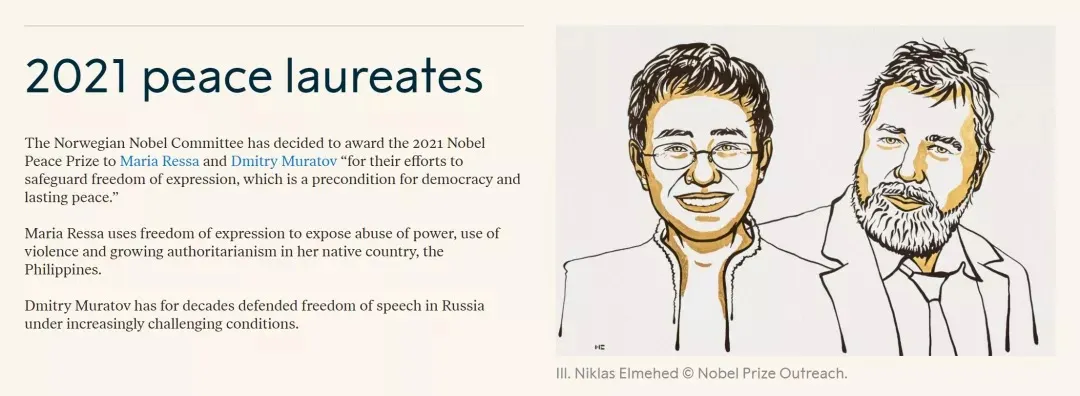
Laureates: Maria Ressa & Dmitry Andreyevich Muratov
Maria Ressa and Dmitry Andreyevich Muratov receive this year's Nobel Peace Prize in recognition of their efforts to safeguard freedom of expression.
Both Maria Ressa and Dmitry Andreyevich Muratov are journalists who have faced threats and even attacks for defending press freedom, yet neither has ever abandoned the dignity and rights of a journalist.
Maria Ressa is the only woman among this year's Nobel laureates and the first Filipino woman to receive a Nobel Prize.
Economic Sciences Prize: "Labor Economics and Causal Relationships"
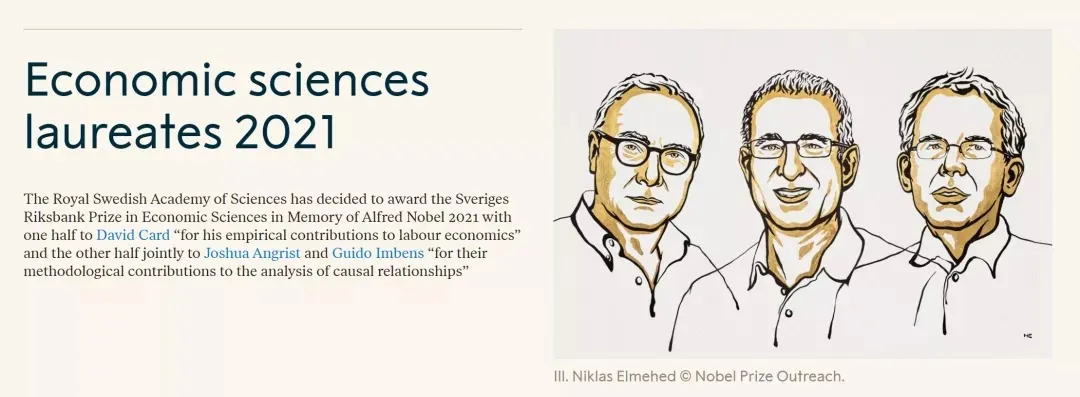
Laureates: David Card, Joshua Angrist & Guido W. Imbens
David Card, professor of economics at the University of California, Berkeley; Joshua Angrist, professor of economics at the Massachusetts Institute of Technology; and Guido W. Imbens, professor of economics at the Stanford Graduate School of Business, have been awarded the final Nobel Prize in Economic Sciences of the year.
The Economics Prize recognizes David Card's empirical contributions to labor economics and the contributions of the latter two to the analysis of causal relationships.
According to the Nobel Prize website, the three laureates provided new insights into the labor market and demonstrated that conclusions about causation can be drawn from natural experiments. Their methods have spread to other fields and revolutionized empirical research.
It is clear that this year's Nobel Prizes are highly pragmatic, closely intertwined with human destiny and health.
The Physics Prize relates to global warming, the Chemistry Prize accelerates reactions and has positively impacted drug development, particularly for HIV/AIDS medications, the Physiology or Medicine Prize is inherently the study of life, the Literature and Peace Prizes also focus on the survival and development of communities, and the Economic Sciences Prize is intimately connected with issues people care about most, such as minimum wage, education, and labor.
Science has never been aloof; the efforts and dedication of generations of scientists have enabled people in the global village to live healthier and more peaceful lives.
Ivy League Dominates Nobel Prizes with a "Four-in-a-Row Sweep"
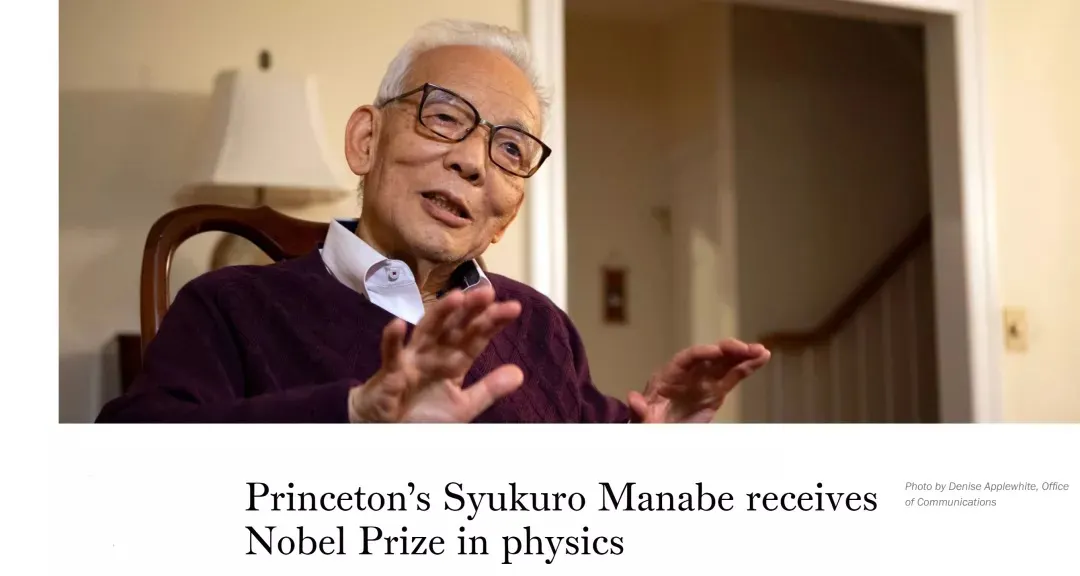
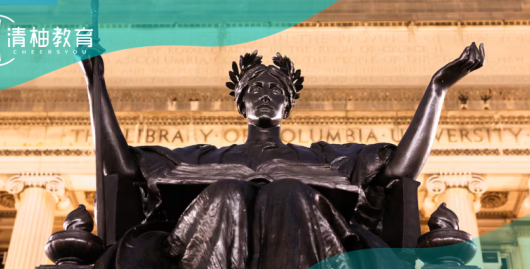
Peace Prize laureate Maria Ressa graduated from Princeton University with a B.A. in English literature and a certificate in theater and dance; Physics laureate Syukuro Manabe and Chemistry laureate David W.C. MacMillan are both current professors at Princeton; Physiology or Medicine laureate David Julius also conducted postdoctoral research at Columbia University.
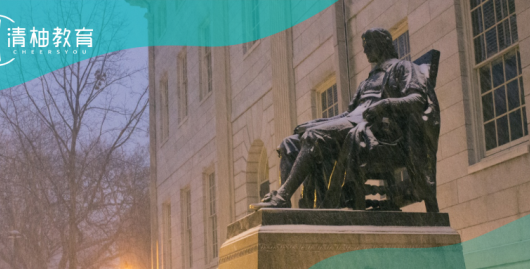
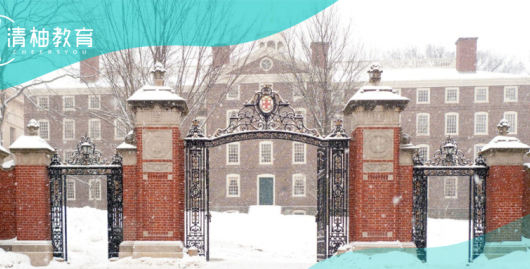
Since 1901, Ivy League schools in the United States have maintained a "dominant position" on the Nobel Prize list. By 2020, the number of Nobel laureates affiliated with the Ivy League had reached as many as 500, even exceeding half of all Nobel Prize winners—a testament to their comprehensive strength.
Among them, Harvard University has 161 laureates, Columbia University 97, Princeton University 69, Yale University 65, Cornell University 61, the University of Pennsylvania 36, Brown University 8, and Dartmouth College 3.
The University of California System Remains Strong
After gaining three Nobel laureates last year, the UC system adds four more this year!
Chemistry laureate David W.C. MacMillan earned his Ph.D. from the University of California, Irvine (UCI).
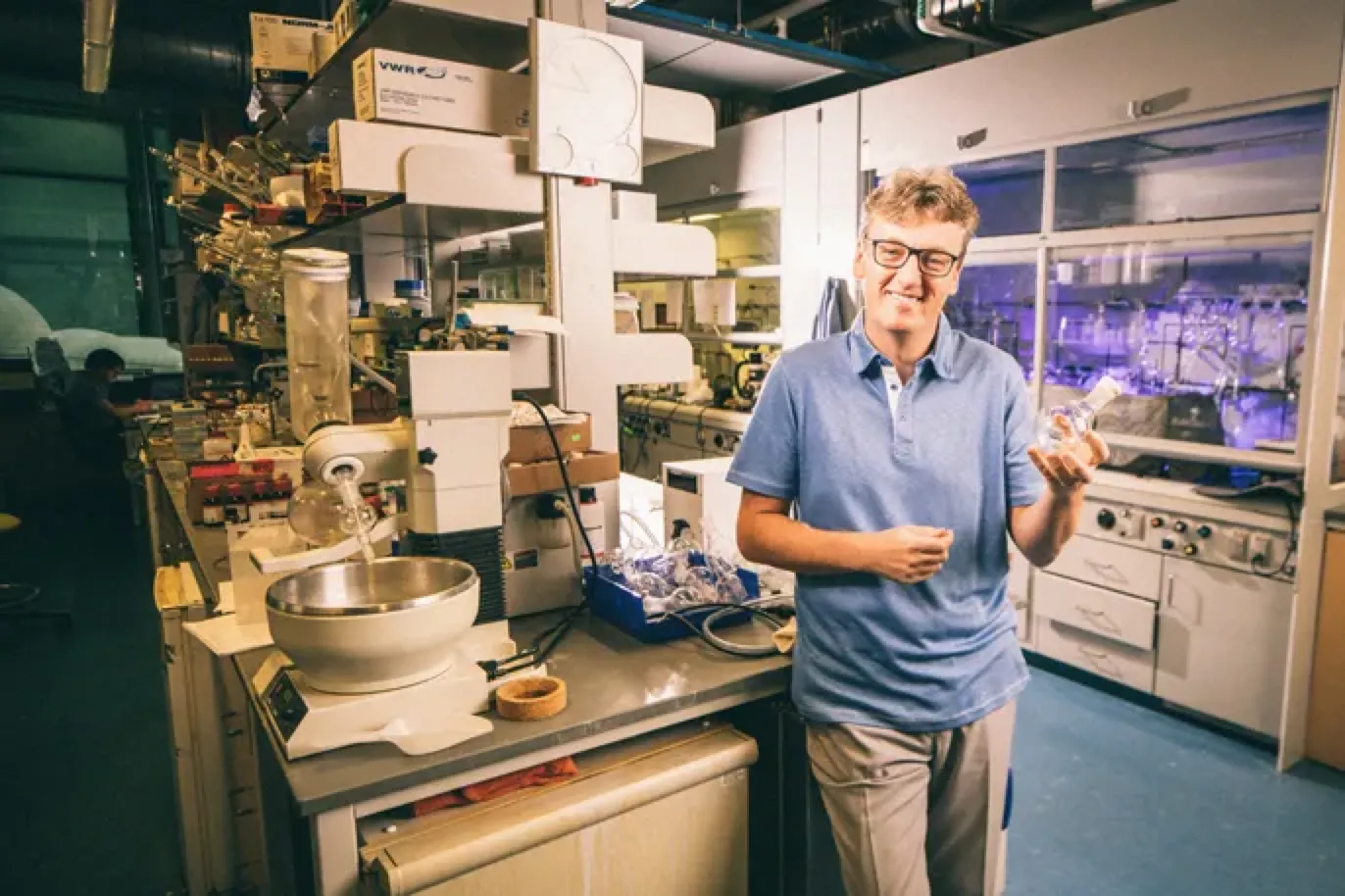
UCI is a top public research university and one of the Public Ivy schools in the U.S., a world-class academic research institution. Previously, UCI has produced seven Nobel laureates.
Both Physiology or Medicine laureates are closely associated with the University of California, San Francisco (UCSF). One (David Julius) is a professor at UCSF, and the other (Ardem Patapoutian) was a postdoctoral fellow at UCSF.
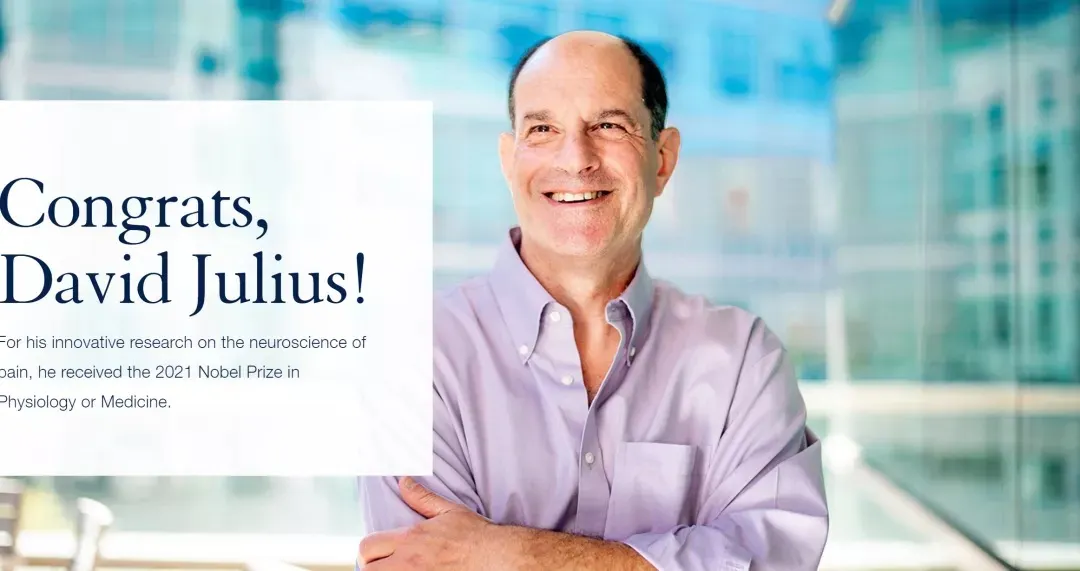
UCSF is located in San Francisco, California. It is the second public university in the University of California system and a world-renowned center for life sciences and medical research and teaching, with its medical school consistently ranking among the top five nationwide.
The newly announced Economic Sciences laureate, David Card, is a professor at the University of California, Berkeley (UCB), a powerhouse in science and engineering.
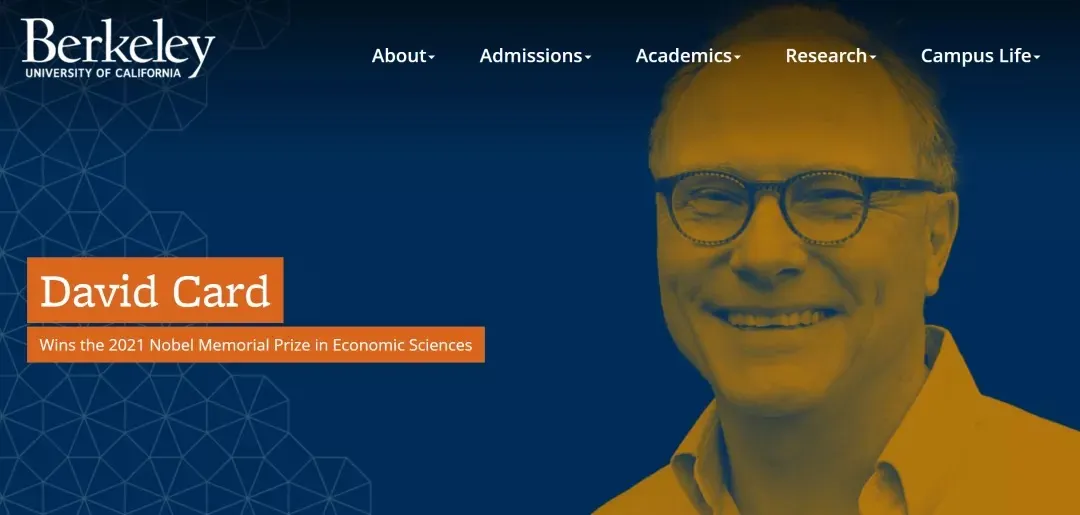
As of October 12, 2021, UCB's alumni, faculty, and researchers have produced over 110 Nobel laureates, ranking third in the world. Such robust strength in science and engineering is sure to attract even more outstanding students—the future lies in their hands.
Other Nobel Laureate Powerhouse: Massachusetts Institute of Technology
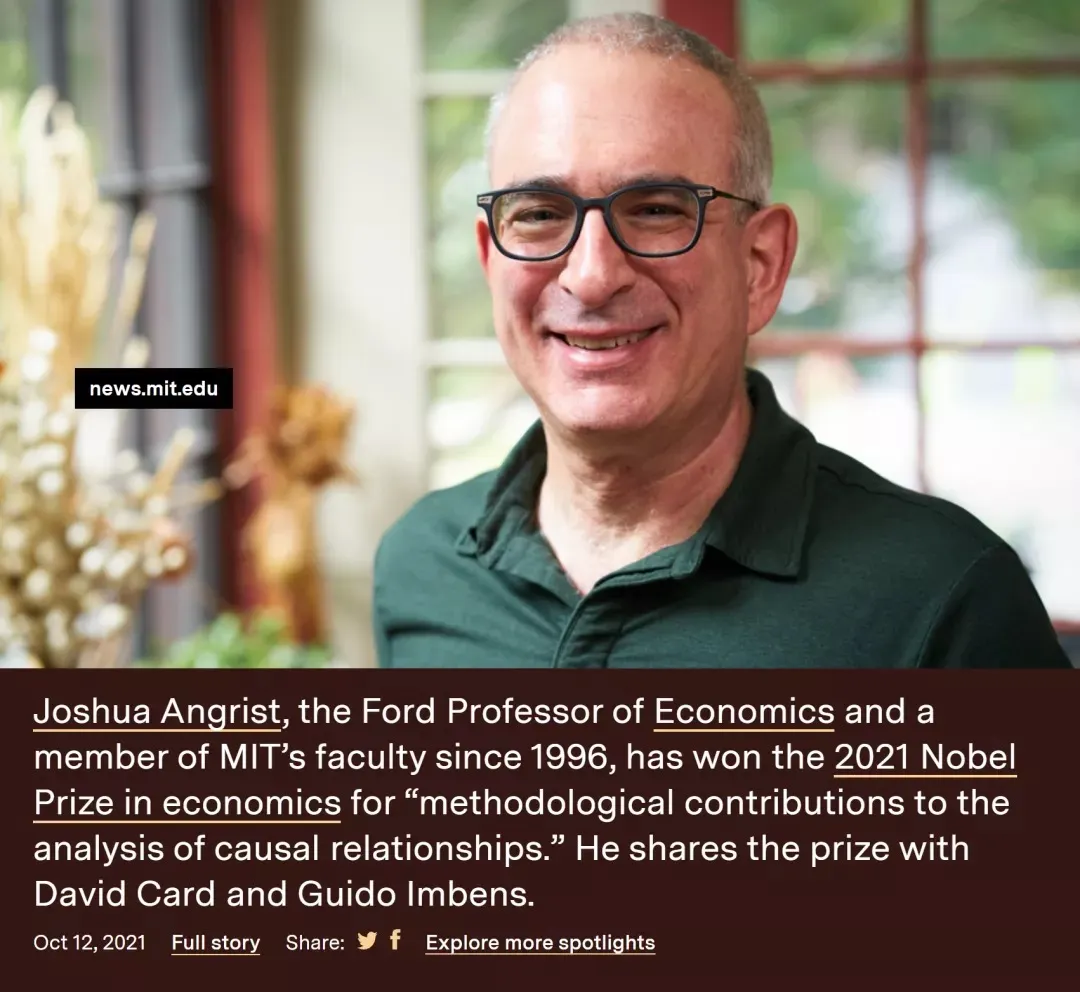
MIT economics professor Joshua Angrist received this year's Economics Prize.
In the latest QS World University Rankings, MIT ranks first globally. MIT has long been renowned for teaching and research in physical sciences and engineering, but in recent times it has also vigorously developed other academic fields such as life sciences, economics, management, and linguistics.
As of October 12, 2021, MIT's alumni, faculty, and researchers include 98 Nobel laureates.
Other Nobel Laureate Powerhouse: Stanford University
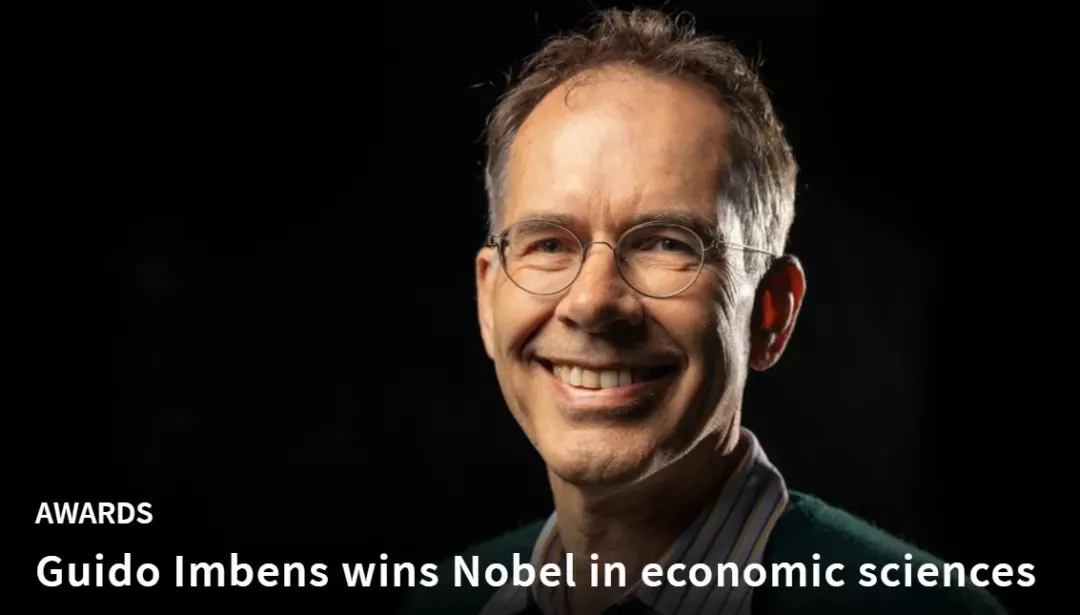
Also receiving the Economics Prize, Guido W. Imbens is a professor of economics at the Stanford Graduate School of Business.
Stanford University is a private research university located in Stanford, California. It is renowned for its academic reputation and entrepreneurial spirit and is considered one of the most prestigious institutions of higher learning in the world.
Stanford's alumni, faculty, and researchers have produced 85 Nobel laureates.
The number of Nobel laureates is increasingly being used as one of the metrics to gauge a school's academic prowess, and all institutions take pride in their laureates.
As the application season arrives, we hope that students who are preparing or have already submitted their applications can get one step closer to their dream schools. Who knows, the next Nobel laureate might just be you!