The United States, as a tech powerhouse, has nurtured countless world-leading technology companies and attracts countless international students who travel thousands of miles to study and join the booming field of computer science.
CheersYou(清柚教育) compiled the educational backgrounds of some of the most outstanding CEOs in the tech industry and discovered that they are not all from top Ivy League schools, their chosen majors are not always directly related to computer science, and some even dropped out before graduating.
Here we list the university and major backgrounds of the following top company CEOs—you might be pleasantly surprised to find that you could have been alumni with one of them.
Logan Green – CEO of Lyft
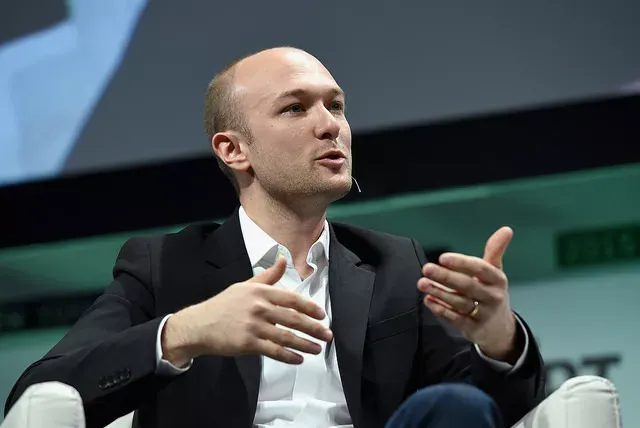
Alma Mater: University of California, Santa Barbara
Major: Business Economics
During college, Green realized the limitations of public transportation in California. So he decided to launch a car-sharing program, buying Toyotas and other vehicles, which led to over 2,000 people on campus sharing four cars. This became the starting point for founding Lyft.
Satya Nadella – CEO of Microsoft
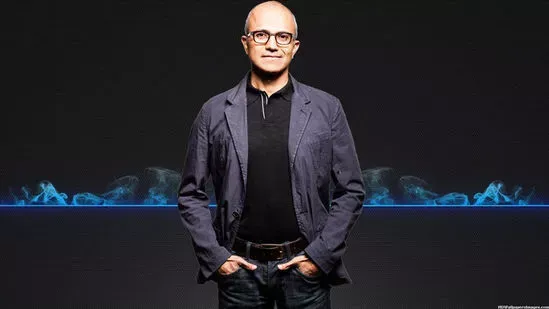
Alma Mater: Manipal Institute of Technology (B.S.), University of Wisconsin–Milwaukee (M.S.), University of Chicago (MBA)
Major: Electrical Engineering (B.S.), Computer Science (M.S.), MBA
Born in India, Nadella initially wanted to become a professional cricketer, but his passion for science and technology made him realize early that pursuing his true self was a better choice. Knowing he loved building things, Satya Nadella chose electrical engineering, and later he wanted to attend a university with a computer science program, so he moved to the U.S. for graduate studies.
Brian Chesky – CEO of Airbnb
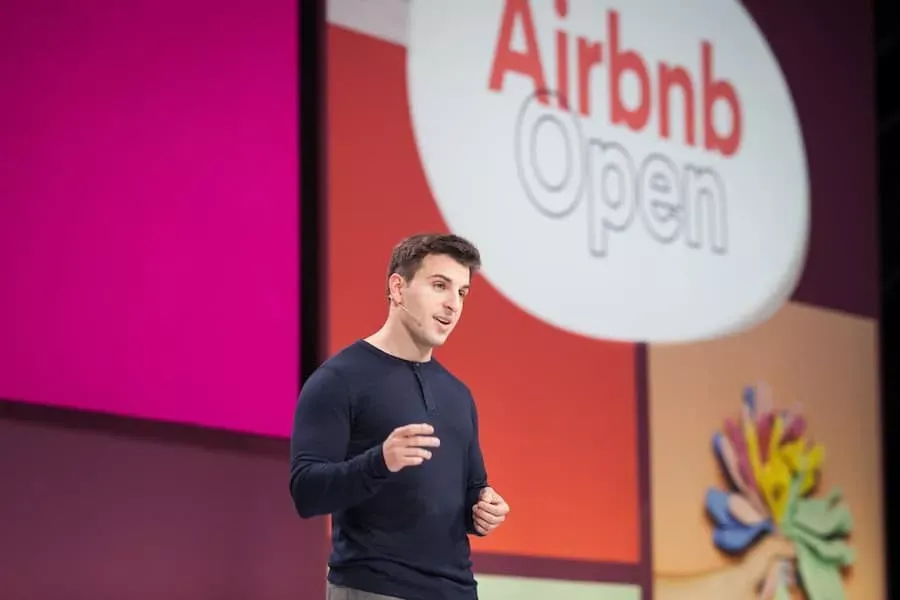
Alma Mater: Rhode Island School of Design
Major: Industrial Design
Brian received a BFA in Industrial Design in 2004. During college, he met Joe Gebbia, who later became one of the co-founders of Airbnb.
Larry Page – CEO of Alphabet
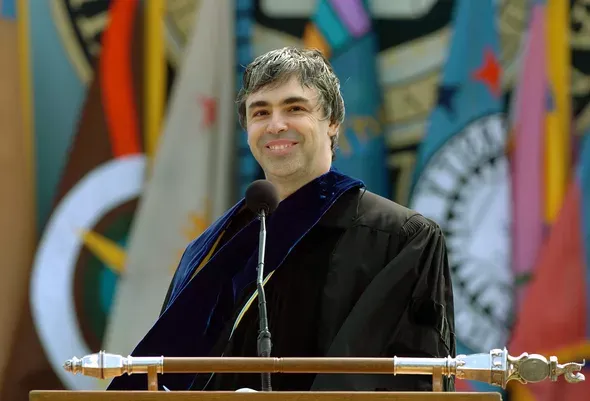
Alma Mater: University of Michigan (B.S.), Stanford University (M.S.)
Major: Computer Engineering (B.S.), Computer Science (M.S.)
Page is a graduate of the University of Michigan, Ann Arbor, with a bachelor's degree in engineering; due to his outstanding leadership, he has received multiple honors recognizing his contributions to the engineering school.
Susan Wojcicki – CEO of YouTube

Alma Mater: Harvard University (B.A.), University of California, Santa Cruz (M.S.), University of California, Los Angeles (MBA)
Major: History (B.A.), Economics (M.S.), MBA
Wojcicki comes from an academic family and fully expected to become a scholar herself. She originally planned to earn a PhD in economics but changed course after discovering her passion for technology. She eventually became the 16th employee hired by Google and has been soaring in her career ever since.
Tim Cook – CEO of Apple
Alma Mater: Auburn University (B.S.), Duke University (MBA)
Major: Industrial Engineering (B.S.), MBA
From an international student's perspective, Auburn may not be a very well-known U.S. university, with its overall ranking outside the top 80, but it has still produced many outstanding talents. Cook also established the Tim Cook Annual Leadership Scholarship for engineering undergraduates at Auburn. At Duke, he was awarded the Fuqua Scholarship, meaning he graduated in the top 10% of his MBA class.
Dan Schulman – CEO of PayPal
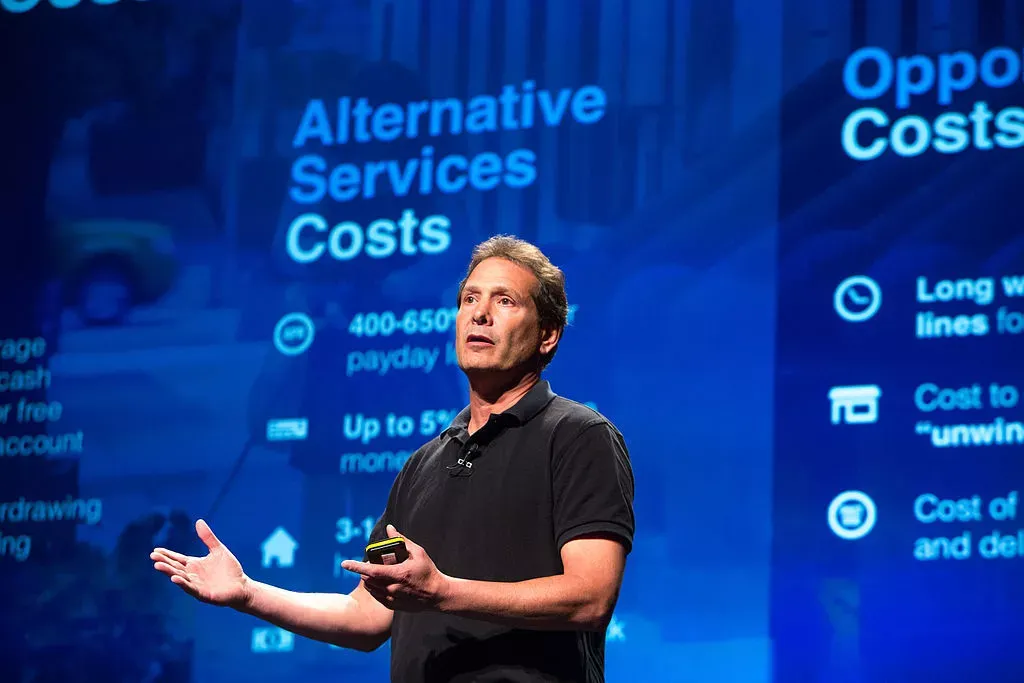
Alma Mater: Middlebury College (B.A.), New York University (MBA)
Major: Economics (B.A.), MBA
Before being admitted to Middlebury College for the spring semester, Schulman had worked as a truck driver. Even without a tech-related academic background, his understanding of business economics allowed him to quickly rise through the ranks and become president of multiple companies after graduation.
Elon Musk – CEO of Tesla and SpaceX
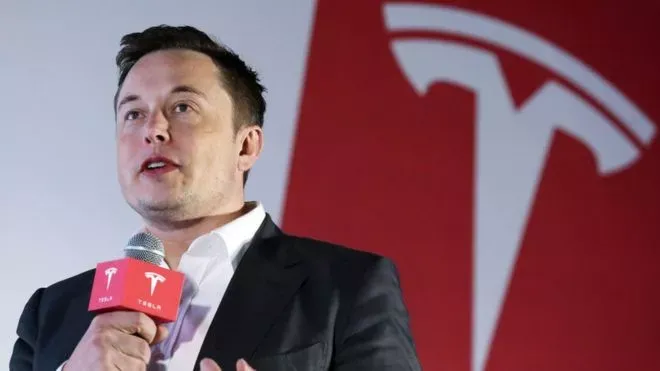
Alma Mater: University of Pennsylvania (undergraduate), Stanford University (dropped out)
Major: Physics (B.A.), Economics (B.A.), Applied Physics and Materials Science
While an undergraduate at the University of Pennsylvania, Musk rented a 12-bedroom house and turned it into a nightclub that sometimes hosted up to 500 guests a night. Later, Musk gave up pursuing a PhD at Stanford to become an entrepreneur during the internet boom, ultimately dropping out.
Jeff Weiner – CEO of LinkedIn
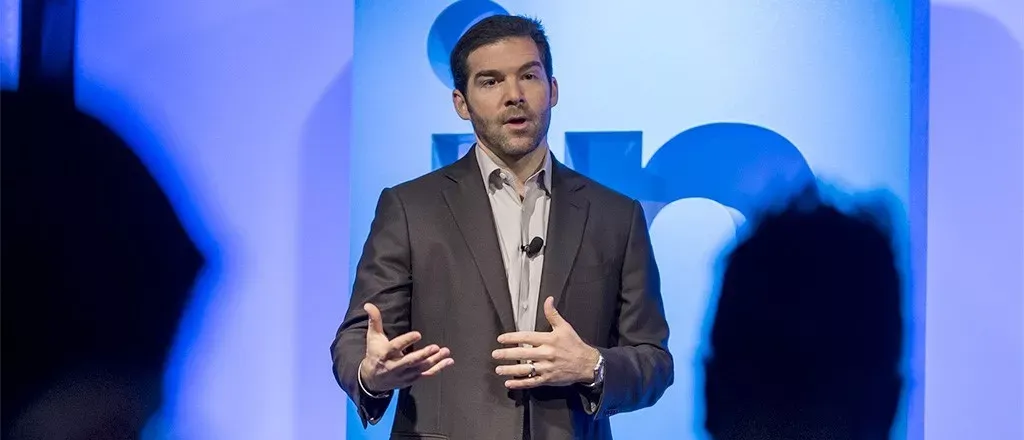
Alma Mater: University of Pennsylvania
Major: Economics
Even without any background in computer programming, Weiner joined Yahoo right after graduation and rose to Executive Vice President; he later founded LinkedIn and was named one of the "Top 10 CEOs in U.S. Technology Companies." In interviews, he believes that the most in-demand skill in today's job market is not programming but soft skills.
A Shining Example for Chinese: Eric Yuan – Founder and CEO of Zoom
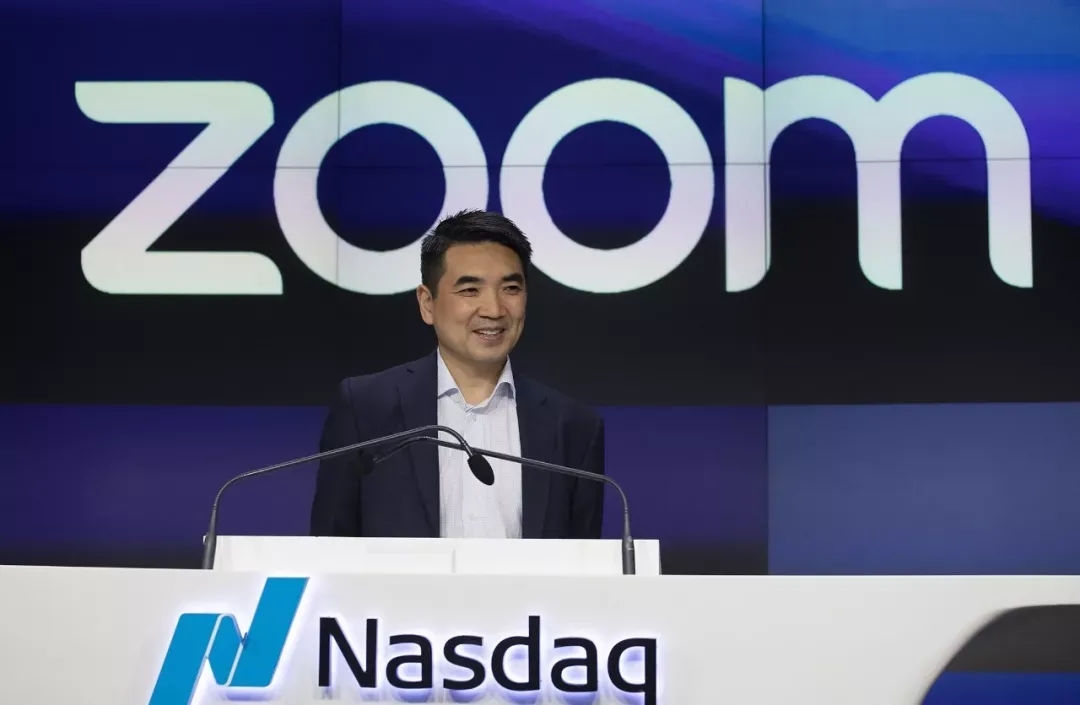
Alma Mater: Shandong University of Finance and Economics (B.A.), Stanford University (MBA)
Major: Applied Mathematics (B.A.), MBA
When applying for a U.S. visa, Yuan was rejected nine times over two years. When he first arrived in the U.S., his English was poor, and he struggled to find a job. Today, Zoom, as a company founded by a Chinese entrepreneur, has become an undisputed startup icon in Silicon Valley.
From these CEO backgrounds, we've summarized the following:
1. Undergraduate school rankings do not represent everything.
2. Students from humanities and business can also become CEOs of tech companies.
3. Graduate education can also play a pivotal role in career development.
Essential Factors for Success
Based on the above statistics, we find that the academic backgrounds of CEOs are diverse, and not all are graduates of computer science programs.
There are many outstanding individuals with backgrounds in economics, business management, or even physics who can still excel in the tech field.
So choosing the right major is not the only path to success. It's more about market acumen and unwavering commitment to goals.
Many CEOs did not graduate from top undergraduate schools, such as Tim Cook and Larry Page.
And they didn't stop there; they chose better graduate or MBA programs to further enrich their experience, laying the foundation for future entrepreneurship.
What Kind of Schools Produce Fortune 500 CEOs?
For those in the thick of application season, CheersYou(清柚教育) also compiled a list of the top 30 U.S. universities that have produced the most Fortune 500 CEOs, released by Kittleman, which can serve as a reference when choosing schools.
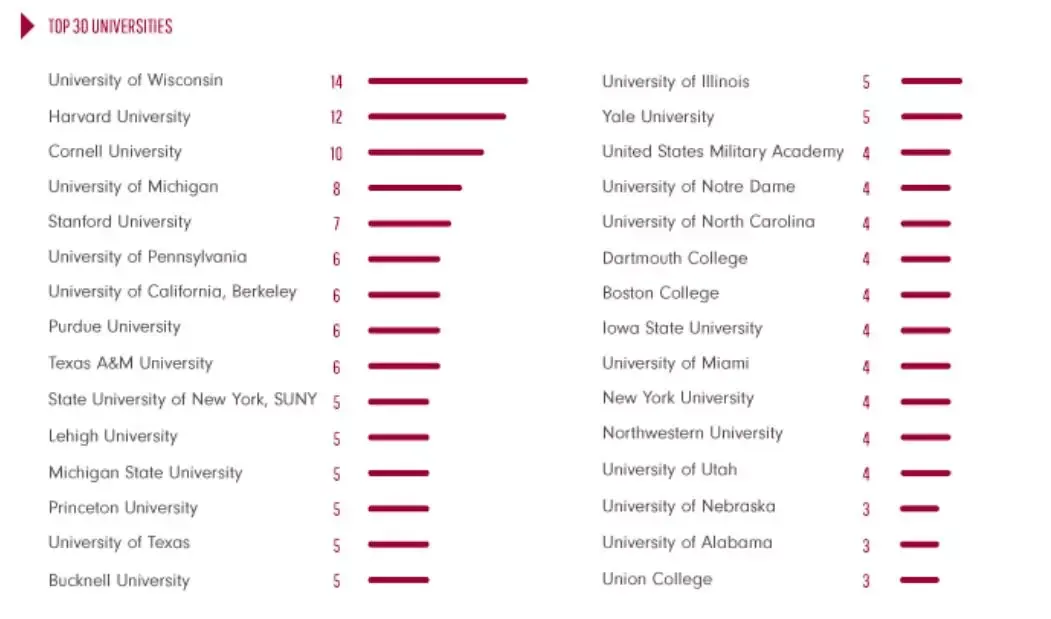
The results also surprised us: the university that produced the most CEOs is not an Ivy League school but the University of Wisconsin, ranked 49th (U.S. News).
Moreover, quite a few CEOs on this list graduated from schools ranked outside the top 100, such as the University of Alabama and the University of Utah, but that didn't stop those schools from cultivating outstanding CEO alumni—for example, J. Willard Marriott, CEO of Marriott International, is a University of Utah graduate.
At the same time, this does not mean that prestigious schools are just empty names. Nearly all Ivy League schools are on the list, which indirectly proves that top institutions value and foster exceptional talent.
From this, we can see that a strong academic background can accelerate success, but a person's persistence and dedication to their dreams and future are the most decisive factors in their ultimate achievements.