

Yesterday, an editor came across an article that listed the chaos in the study-abroad agency industry.

After reading it, the editor fell into thought. So I asked my friend Little A, who is job hunting, and she told me that it's not just study-abroad agencies that play tricks. Career training is a good thing in itself, but some unscrupulous career training agencies are more annoying than PUA tactics.
"I think you'd be a good fit for an internship at an investment bank."
"Book-smarts don't count as much as real work experience; the real skills are learned on the job."
"Just X amount of money, and we guarantee an internship offer. Our mentors cover over 100 Fortune 500 companies."
These are all things Little A heard from the customer service reps at the career training agency she chatted with.
Little A said, "Hearing this, I couldn't help but recall the dread of being pestered by relatives about marriage during the New Year."
All the tricks mentioned here are directed only at unscrupulous agencies.
Ethical agencies, please don't take it personally.
Six Major Tricks of Unscrupulous Career Training Agencies
Trick No. 1:
"How much do you earn? Why aren't you married yet? Look at your neighbor Little Wang—her husband makes a million a year in investment banking. I set them up."
In the mouths of these unscrupulous agencies, only a job at a Fortune 500 company counts as a real job. It doesn't matter whether you study astronomy, medicine, or law—the only righteous path is to go into finance, investment banking, or consulting.
What? You can't find one?
No worries, I'll help you.
Little B, a law student who had zero interest in finance, was constantly urged by an unscrupulous agency's advisor to go into investment banking.
The first step these agencies take when talking to you is to drill into you that job hunting is everything, coupled with the view that money defines success. After a long chat, you'll feel embarrassed to talk to anyone if you're not making at least a million a year.
But let me ask you: there are only so many famous investment banks and consulting firms. Everyone wants to get in, and those who make it are industry elites. If you had that ability, would you even need them to introduce you?
They'll also pull out all sorts of success stories from their own files and tell you it's a sure thing. How many of those are real and how many are fake? Students have no way to verify, so they can only choose to believe. They also claim it's because of insider connections with mentors that such opportunities even exist.
But do the HR departments at such prestigious companies really struggle to find people?
"Almost everyone in the program I joined was lured in by that agency. I've noticed they really like targeting students from finance-related majors. In the eyes of many unscrupulous agencies, such students = dumb and loaded." said Little B.
It's just like how some relatives don't understand your situation at all and keep pressuring you to get married, with the only standard for a partner being their annual salary. But would a diamond-level bachelor making a million a year need their matchmaking?
As for whether the job suits you, that doesn't matter.
Trick No. 2:
"You're not getting any younger, and you're still studying? Keep this up and you'll turn into a nerd."
If you happen to be torn between continuing on to grad school and finding a job, you're exactly the target. The unscrupulous agency's "studying is useless" doctrine will start playing out on you.
A parent once told me that when she mentioned to an agency advisor that her child wanted to go to grad school and wasn't in a rush to find a job, the advisor actually told her: many top investment banking positions don't hire graduate students. This is just like those relatives who think that "doing a PhD is the greatest act of unfilial piety today!"
They exploit the information gap between parents/students and companies to spout nonsense without restraint. After all, when it comes to hiring, there's a lot of room for maneuver.
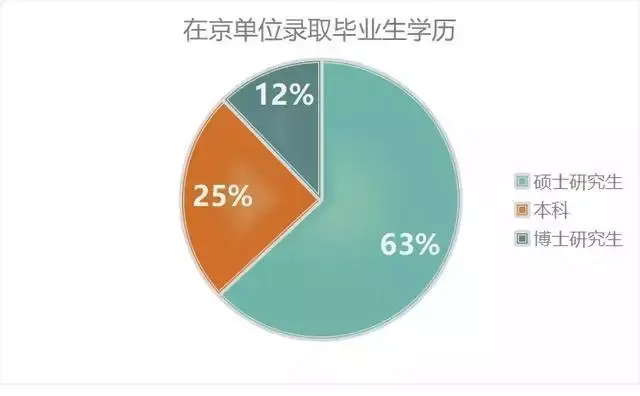
The truth is, both in China and abroad, companies hire a far higher proportion of graduate students than undergraduates.
To these unscrupulous agencies, your career planning and life development have nothing to do with them. They'll fleece you one by one, like cutting leeks.
Trick No. 3:
"Don't be too picky, it's fine to settle. If you keep your standards so high, no wonder you're still single."
When you finally decide to work with them, those jobs you discussed earlier suddenly become harder than climbing to heaven. They exaggerate unemployment rates, interview difficulty, cumbersome processes, and stringent assessments, making it seem like without their help, you simply aren't good enough for that job.
Even if you don't get into the company you wanted, you'll chalk it up to your own lack of ability rather than a problem with the unscrupulous agency.
Conversely, if you are hired, they'll make a big deal of their own contribution.
Just like some relatives who merely made an introduction but go around saying, "If it weren't for me, he'd never have found such a great partner."

Trick No. 4:
"Once you two get married, don't forget my kindness—after all, I was the matchmaker."
Jobs are getting harder to find, but as long as the money is right, anything is possible.
Referrals come with one price tag; if you want resume revision, that's charged per resume. Additional paid services include internal referrals, career training, and interview coaching.
It's basically "one position, one price"—the better the job, the more you pay. If you don't want to buy, they'll say, "Of course, if you pass on these services, you can't blame us if you don't get hired."
By then, not only have you handed over your money, but you'll also feel grateful to them.
The Beijing News once reported that the internship certificate provided at the end of a so-called 40,000-yuan program could be bought on Taobao for 40 yuan.

Image source: The Beijing News
Trick No. 5:
"This guy is honest, has potential, and we know him well—he's a real catch."
In the coded language of matchmaking relatives, there's a whole lot between the lines.
Honest = dull, spineless
Has potential = no car, no house
Know him well = I've played mahjong with his aunt, saw his mom at the market, and his uncle's neighbor is your cousin's aunt's son's elementary school classmate.
The mouths of career training agencies are full of deception.
When unscrupulous agencies hype their mentors and job positions, they outdo even those relatives.
They can help international students apply for work visas, so they dare claim to guarantee H1Bs.
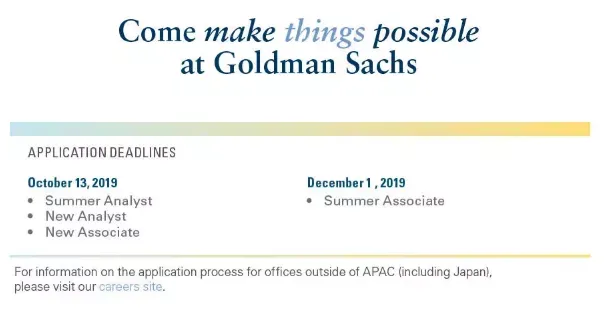
A mentor who once interned at Goldman Sachs is touted as a senior director there.
As for some so-called hot new startups where you can supposedly learn more, they might just be shell companies existing only for branding purposes.
The promised services are one thing, but delivery is another. They pledge an internship certificate and recommendation letter at the end, but when it comes to job hunting, the agency disappears after taking the money, sometimes not replying for weeks.
If caught, they toss out the universal excuse: "Oh sorry, the person handling your case has left our company."

Trick No. 6:
"The guy your aunt introduced you to is no good—mine is much better."
You might not expect this, but unscrupulous career training agencies compete with each other too. To get students to sign up for their own programs, some agencies engage in vicious mudslinging.
But this sort of thing is a matter of losing a thousand to hurt the enemy by eight hundred. In the face of such competition, students and parents are completely baffled.
But for unscrupulous agencies, as long as they can sabotage someone else's business, it's fine.

Why Is the Career Training Industry Getting More Chaotic?
Although people often grumble about relatives' behavior during the New Year, deep down we know that those who truly treat you as family would never lead you into a fire pit.
In reality, the career training industry should be like our family and friends—a good career training program can genuinely change a person's life.
Yet, the truth is that among people in the industry who have dealt with unscrupulous agencies, 80% have a terrible impression of them.

To grab business, some agencies over-package, exaggerate, and even leak mentors' private information.
Many mentors originally cooperated with career training agencies out of a desire to help international students create more job opportunities. Now, not only have they failed to help others, but they've also jeopardized their own reputations.
Job hunting is a one-time consumption, which leads many agencies to muddle along, with poor service and no after-sales support.
Meanwhile, the legitimate agencies that do things properly are suffering because of the rule-breakers. This industry chaos only breeds a vicious cycle.
Finding a job is a bit like finding a boyfriend or girlfriend—everyone wants the best. But there are only a few top companies, and they won't lower their standards just because of a career agency.
Rather than relying on intermediaries, it's more important to strengthen your own capabilities. After all, gold will always shine.
This article isn't saying that career training agencies are all bad. In fact, many college students are quite dependent, lack career planning, and are terrible at networking. For them, career agencies can be a platform that helps them succeed.
Being able to tell which agencies can truly help you is crucial:
1. When seeking out such agencies, don't blindly believe their promises.
2. Be good at investigating and telling real from fake. You can use social media like LinkedIn to check real information.
3. Know yourself and keep a healthy mindset. The job-hunting process a career program takes you through is far more valuable than just landing a job.
When choosing a career training agency, focus on the training process, not just the outcome. Students should also play to their own strengths, improve their ability to gather and evaluate information, and not be swayed by companies that make sky-high promises.
Also, when you interact with career agencies, don't set your expectations too high or become too desperate for guarantees. If your attitude is too anxious, you might actually push them to make promises they can't keep.
It's like dating: someone introduces you, but whether you end up together depends on how you get along. Even if you do get together, you might still break up later.
Finally, I wish all graduates find their ideal jobs. And if you can't, no worries—you can always come study abroad with us~