It's already December, and U.S. graduate applications have entered the final sprint. Many students are fully prepared and steadily submitting their applications.
But some are still stuck at:
preparing for GRE/GMAT standardized tests.
If you can't get the G test scores out in time but don't want to miss the Fall 20 intake, there are roundabout ways. One such option is the well-known SPS college, which has lenient G test requirements.
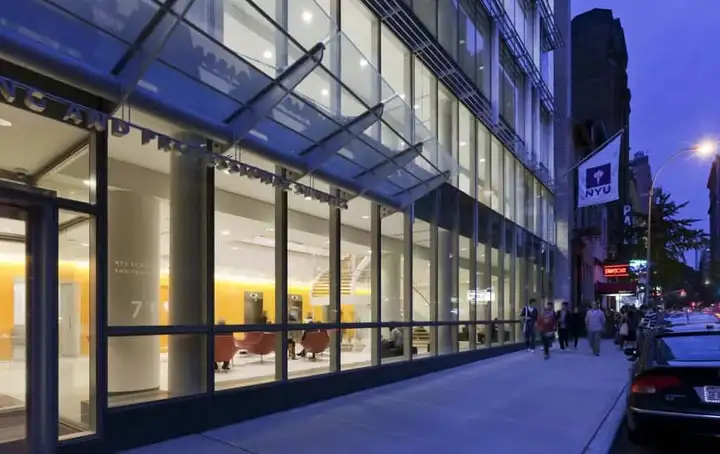
Yet this college, present at almost every major U.S. university, has long been at the bottom of the application prestige chain and demonized in recent years as "hot garbage you choke down only out of desperation."

Now even the mention of SPS triggers knee-jerk rejection; students look down on it, and if a consultant recommends it, they call it a scam.
But here's the thing: you might not even be able to get into this "garbage."
Just the name puts you off?
SPS (School of Professional Studies) is a common college in U.S. universities, sometimes appearing under aliases like SCS, CPS, or SCPS.
However, nowadays, as soon as students hear words like "professional" or "continuing," resistance kicks in.

In recent years, controversy over SPS colleges has never stopped, mainly centering on admission thresholds, course quality, and employment prospects.
So, are SPS colleges really as terrible as people think?
The Original Purpose of SPS Colleges
The first SPS college appeared at the University of Chicago, later followed by Harvard, Columbia, NYU, and other top universities.
Most majors under SPS are business-related or highly vocational. The college was established to meet market demands, aiming to cultivate more practical talent for the workforce.

Some highly vocational majors like sports management, real estate management, tourism management, or other business-oriented programs like marketing, project management, and public relations often face awkward categorization.
Placing them in the business school would set the admission bar too high, contradicting the mission of training more practical talent; putting them in arts and sciences or engineering would be a poor fit. Hence, universities created SPS colleges to house these programs.
How Low Is the Admission Threshold Really?
Because of this, in its early years, SPS colleges were exploited by consultants due to "low admission requirements," sending in large numbers of international students.
Then SPS was quickly painted with the broad brush of "SPS = garbage," based on two "original sins" that instantly repel students: "low admission bar" and "many Chinese students."
First, we never deny that the admission threshold of SPS colleges is lower than other elite schools at the same university; their founding purpose was to train more workforce-ready professionals.
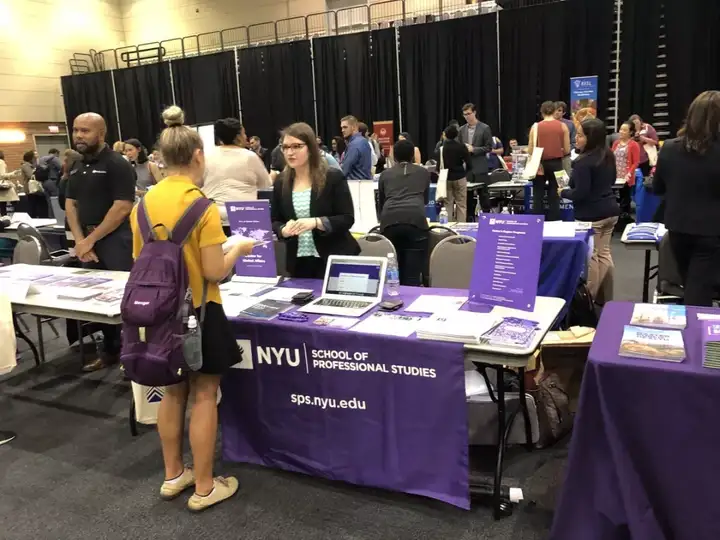
Most SPS colleges don't require GRE/GMAT scores, but are their application requirements really that lax?
Let's look at the latest requirements of various SPS colleges.
For the University of Chicago CLPS college's Analytics program, applicants are strongly advised to submit GRE/GMAT scores, implying that without them, competitiveness takes a hit.
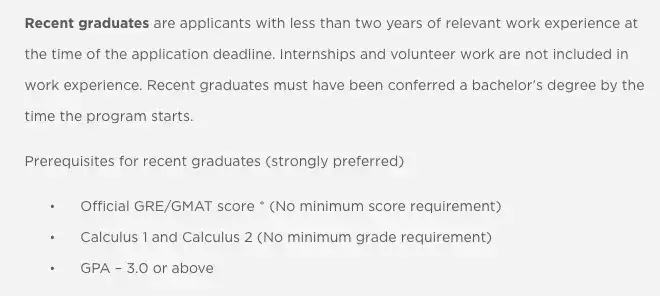
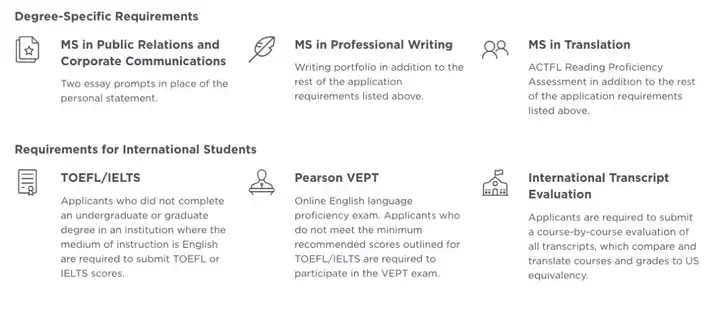
NYU's SPS college requires a minimum TOEFL score of 100 and IELTS of 8. If you fail to meet the language requirement, you'll be forced to take the VEPT exam.
Given historical admissions data, it's not like you can get in with outrageously low scores or just skate through VEPT.
Moreover, some programs have additional requirements. For instance, PR requires two essays, Professional Writing requires a writing portfolio...
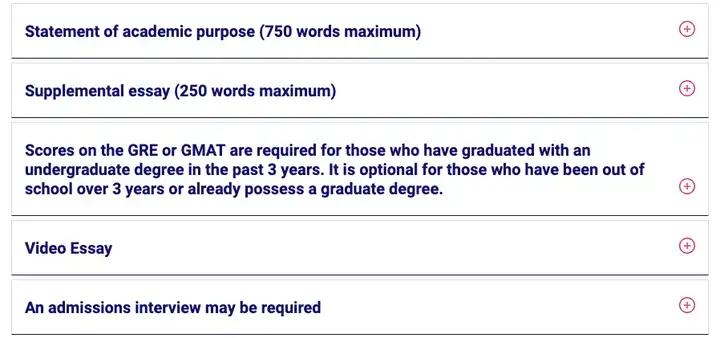
Columbia SPS: the program requirements are even more complex, with main essays, supplementary essays, video essays, and likely interviews. Only those with over 3 years of work experience or a master's degree can waive the G test.
Even for the most popular programs, the overall requirements for SPS admissions are around GPA 3.0+ and TOEFL 100+. Many programs have even higher or additional prerequisites, favor applicants with work experience, and often waive tests only for such candidates.
SPS Is No Longer What It Was a Few Years Ago
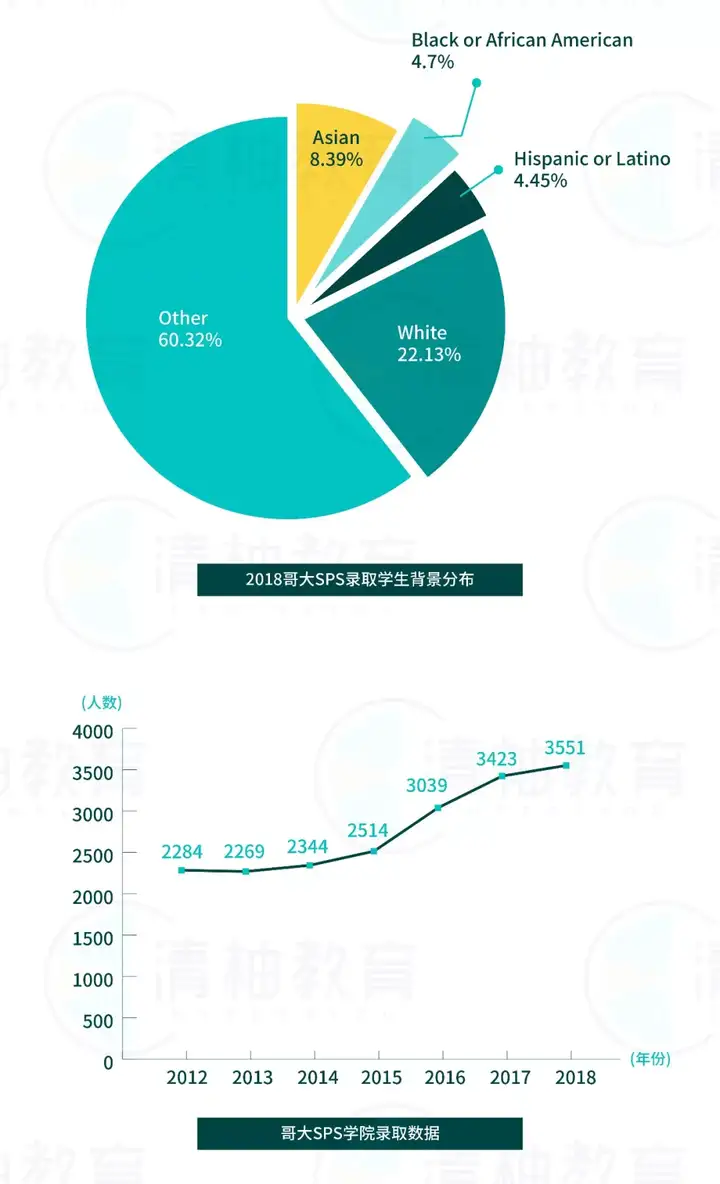
According to Columbia SPS's official data, compared to the noticeable growth from 2015 to 2017, the enrollment growth rate has leveled off starting in 2018.
Among newly admitted students in 2018, Asian students including Chinese internationals made up only 8%—hardly the overrun with Chinese students that critics claim.
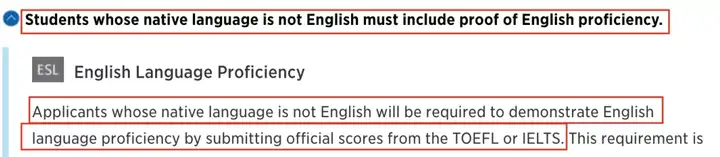
This also reflects Columbia's stricter application review in recent years. Last year, even U.S. undergraduates were required to submit TOEFL scores for some SPS programs, and recommendation letters are scrutinized more rigorously.
Columbia SPS last year TOEFL requirement:
The rare cases of "buying your way into SPS" or extremely low GPAs being accepted will likely not happen again under today's fraud-prevention audits. Even if such an applicant slipped through, they'd eventually be expelled.
Now, SPS admissions are more reasonable, with fewer instances of mixed-quality students and faculty, and it's increasingly chosen by decent students as a safety option.
So, for applicants with low GPAs, uncompetitive test scores, no work experience, and mediocre profiles, if you're still fixated on years-old negative online reviews, turning up your nose while lacking solid credentials...
To be honest, if you applied, the SPS might not even want you.
How Do Course Quality and Employment Prospects Actually Look?
SPS courses are always market-relevant, emphasizing practical application of theory to enhance hands-on industry skills.
UChicago's Analytics program not only builds data analysis skills but also includes leadership techniques to tackle real business problems.

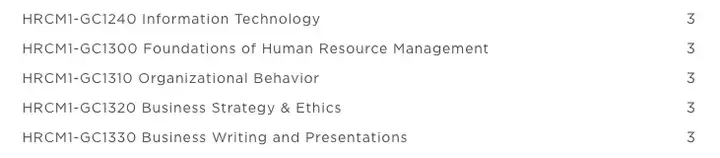
NYU's Human Resources program integrates courses with actual corporate behavior.
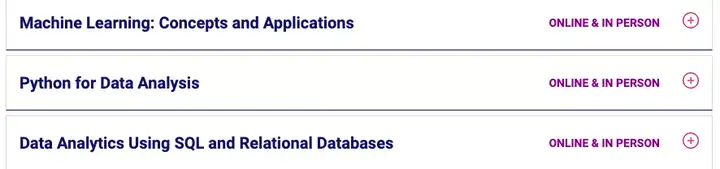
Columbia SPS's Applied Analytics elective courses include hardcore ones like machine learning and Python.
Given this vocational alignment, is it fair to dismiss the curriculum as lacking substance simply because it's not "academic" enough?
Regarding employment, SPS programs are career-oriented by design. A prestigious university name plus prime location helps students secure internships and jobs.
Moreover, SPS professors are often industry veterans—seasoned managers with deep experience and insights. Many classmates are also working professionals advancing their education.
This means the networking and job referral potential within SPS can rival that of so-called elite alumni networks, offering more practical career advice.
NYU SPS graduate outcomes data:
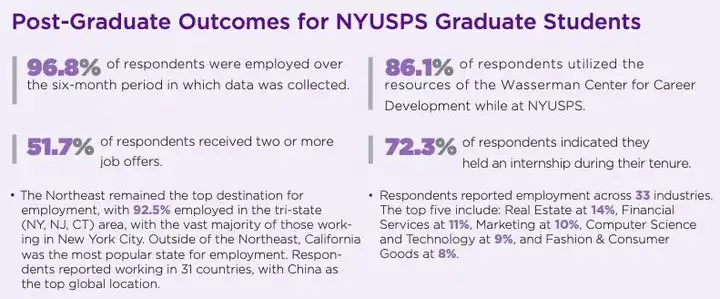
In the end, employment prospects aren't determined by a single university, college, or major.
If you don't work hard, don't network, skip career fairs, and fail to find a job, then blame it all on SPS—isn't that a bit immature?
Think Rationally, Don't Hate for the Sake of Hating
When applying to graduate school, many students feel lost and anxious. Coupled with the online echo chamber of "everyone's a top student looking down on everything," it's easy to get lost in information overload.
If you have doubts about SPS, talk to someone truly knowledgeable—a friend or mentor. Be clear about your real situation and what you want, then decide.

SPS is an option, but not a last resort. Just because someone with lower grades got in, does that make the college unworthy? Isn't that overgeneralizing?
If you really don't want SPS, then sit down, prepare seriously for GRE/GMAT, and work hard to improve your overall profile to enhance your application for top schools.
Think rationally, don't hate for hate's sake. Isn't that the mindset of an adult?