Half of 2020 has passed, but the path to further education remains long.
Due to COVID-19, schools closed, standardized tests and internships went remote, and many were even postponed or canceled, disrupting application plans entirely. The plans you originally made are suddenly faced with obstacle after obstacle, leaving you seemingly stuck at home for self-cultivation.
What you thought you could do now:
1. Achieve a satisfactory language test score
2. Participate in an internship to enhance your background
3. Obtain official transcripts and complete credential evaluations
4. Secure 2-3 academic recommendation letters and 1-2 non-academic recommendation letters
What you actually can do now:
1. Achieve a satisfactory language test score
2. Participate in an internship to enhance your background
3. Obtain official transcripts and complete credential evaluations
4. Secure 2-3 academic recommendation letters and 1-2 non-academic recommendation letters
"But I can't meet professors in person now, so I can't ask for recommendation letters."
Imagine if you wait in an orderly fashion for standardized tests to resume. In July and August, you'll face not only the stampede to grab test seats but also preparing for exams, researching programs, recommendation letters, and resumes at the same time. Can you really handle all that?
With classes fully online right now, all professors are providing tutoring and assistance via email and video calls. Recently, professors are responding to emails much more frequently, making this the perfect time to request recommendation letters.
How to Successfully Ask for a Professor's Recommendation Letter?
Generally, applying to U.S. master's programs requires two to three recommendation letters. For academically focused programs, it's advisable to provide letters from three professors. For professionally oriented graduate programs, two professor letters and one work recommendation are recommended.
In previous years, during peak recommendation letter season, popular professors often had limited slots or were slow to check emails, so asking in person had a higher success rate than email requests.
But this year is different—everyone must communicate via email. Therefore, choosing which professors to ask, when to ask, and how to communicate becomes especially important.
.png?x-oss-process=style/opt-webp)
1. Whom to ask?
Find professors relevant to your intended field of study.
1. First choice: professors you've recently collaborated with on projects or research.
2. Second choice: professors who know you well and in whose class you performed exceptionally (earned an A).
3. Last resort: professors who don’t know you well but you excelled in their class.
The key is to have had frequent interactions with the professor and left a positive impression. After all, a professor teaches hundreds or even thousands of students each year, and many earn A's. The more you've worked together, the better the professor understands your strengths and abilities, resulting in a more substantial letter.
2. When to ask?
Application deadlines typically fall between November and February, so ensure professors complete their letters before November. The fall semester is when students cram to request letters, and professors often limit the number of recommendations they write each year—latecomers may find themselves out of luck.
After final grades are posted for the term just ended, if you scored well and the professor remembers you positively, we recommend striking while the iron is hot and securing a recommendation slot. Considering the July-August test prep crunch, it's wise to start early on recommendation letters to avoid forgetting amid exam preparation.
Getting a recommendation letter is a process, not a single email. On one hand, popular professors have limited slots and you may not be on their list. On the other hand, even after a professor agrees, they may need ongoing communication with you to ensure the letter aligns with your application focus. Be sure to plan ahead with time and a pool of candidates. For example, select five eligible professors, lower your expectations, narrow them down gradually, and allow at least a month for them to write.
3. How to ask?
Send an email request to the professor's official university email address. The email should ideally include:
1. Your academic achievements—grades and projects you've done in their class.
2. A sincere explanation of your intended field and relevant extracurricular accomplishments.
3. The application deadlines. Since the writing timeline is unpredictable, it's safer to inform them early.
Afterward, professors may request your transcripts, resume, school list, or even personal statement. Provide these promptly so they can write a precise recommendation letter.

For Students with Ample Preparation Time
Sophomores and juniors have relatively more time, but this summer is definitely not for slacking off. Recommendation letters are a mandatory part of graduate applications and must be prepared sooner or later. If you wait until senior year to seek out professors, you may easily end up in a situation with low grades and unfamiliar professors.
Universities increasingly demand stronger recommendation letters, and with students often applying to 8-10 schools, these letters become an even more challenging and competitive component.
CheersYou(清柚教育) advises sophomores and juniors to plan their graduate school direction and school selection early in order to identify potential recommenders. Once you have targets, "stand out more." In this unique period, since you can't interact in person, make the most of online class interactive segments and after-class Q&A. The key is to make the professor remember you.
If you perform prominently, you can even ask about their recommendation letter policies in advance and confirm at the end of the course whether they would be willing to write one. While building a rapport is a bonus, the most crucial thing is to study hard; only an A gives you the confidence to request a letter.
Opportunities come to those who are prepared.
Even during online classes, strive to communicate more with professors, earn good grades, and leave a positive impression. We hope everyone can make good use of this time and secure the ideal recommendation letters!
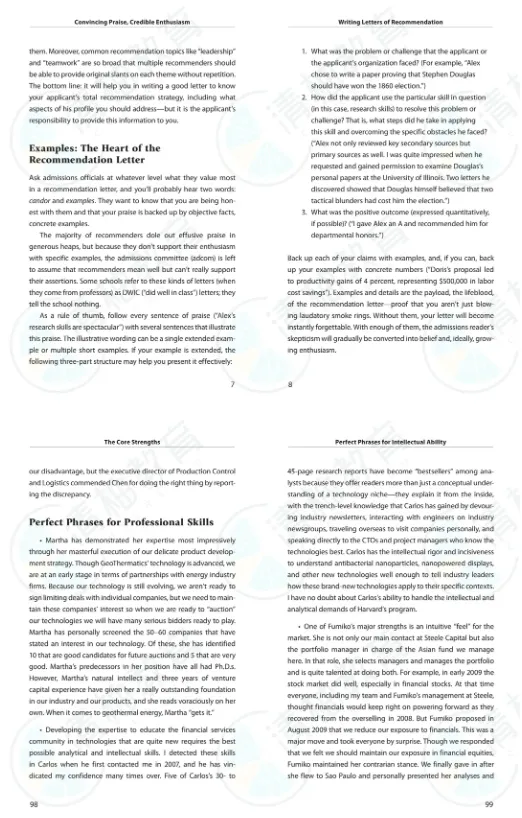
Limited-time free download: 200+ page Guide to Writing Recommendation Letters
Follow the official WeChat account 「清柚留学」
Reply "推荐信" to the account