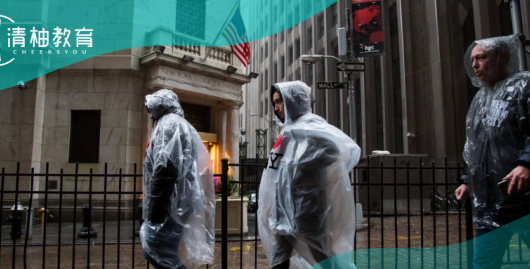
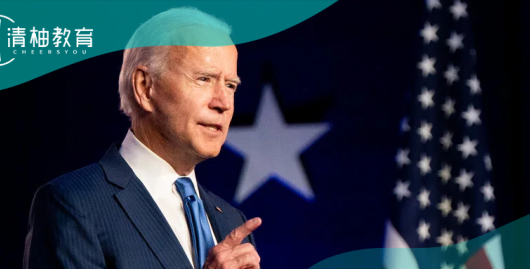
The world's attention was fixed on the 2020 U.S. presidential election, which has finally come to a conclusion.
After Trump took an early lead on the night of November 3 and even gave a victory speech at 2 a.m., the plot began to twist on the morning of November 4. Biden flipped states from red to blue, and after securing Pennsylvania's 20 electoral votes, his total reached 284, successfully winning the presidential election.
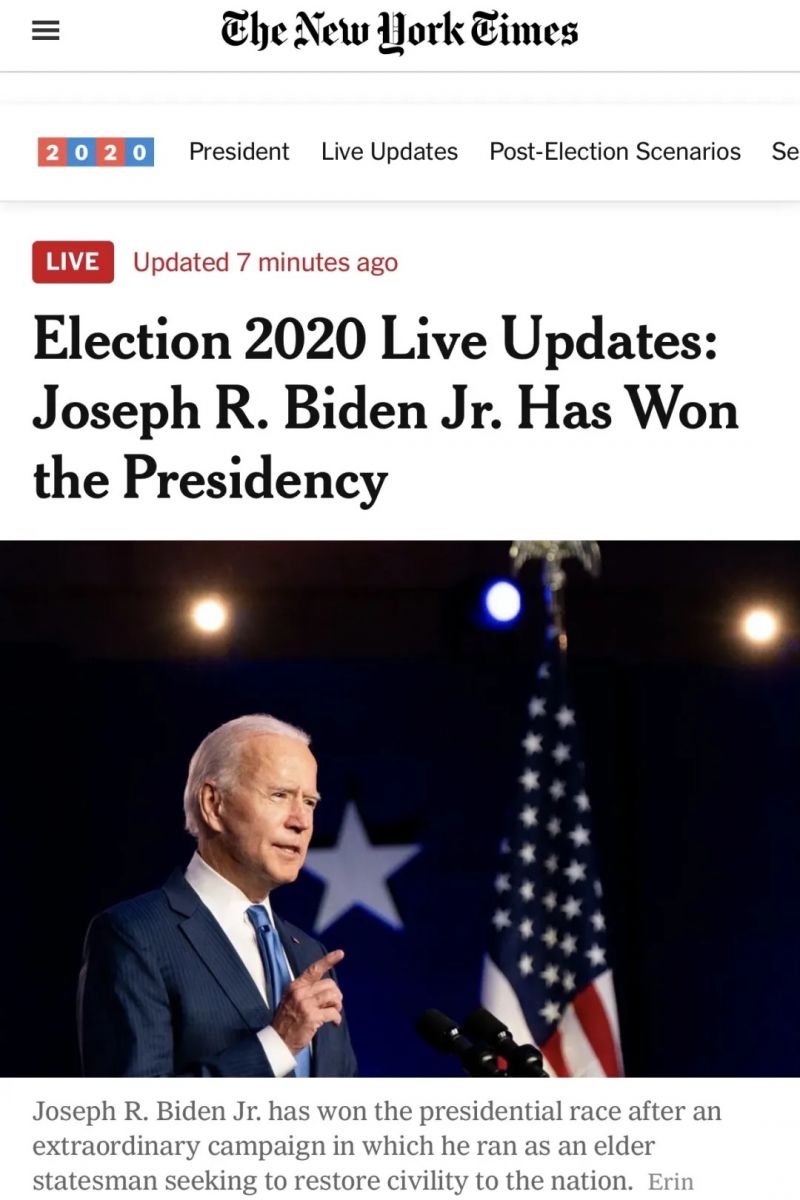
Will the new president Biden's inauguration clear the slate of Trump's old policies and turn a new page for the United States? What impact will it have on us, the international students?
Today, CheersYou(清柚教育) also provides relevant analysis and predictions.
A Comparison of Biden and Trump's Platforms
The 2020 presidential election can be described as the "least policy-focused" surreal election, where voters didn't care about platforms and candidates didn't emphasize them either.
However, even the most unconventional Trump had relatively clear policy tendencies during his past term, which are closely tied to his party affiliation.
By combining the two candidates' public election platforms, their past policy inclinations, and related statements, we have compiled a comparison between the Republican Party, led by Trump, and the Democratic Party, led by Biden, in terms of economic policy, social governance, foreign policy attitudes, etc.
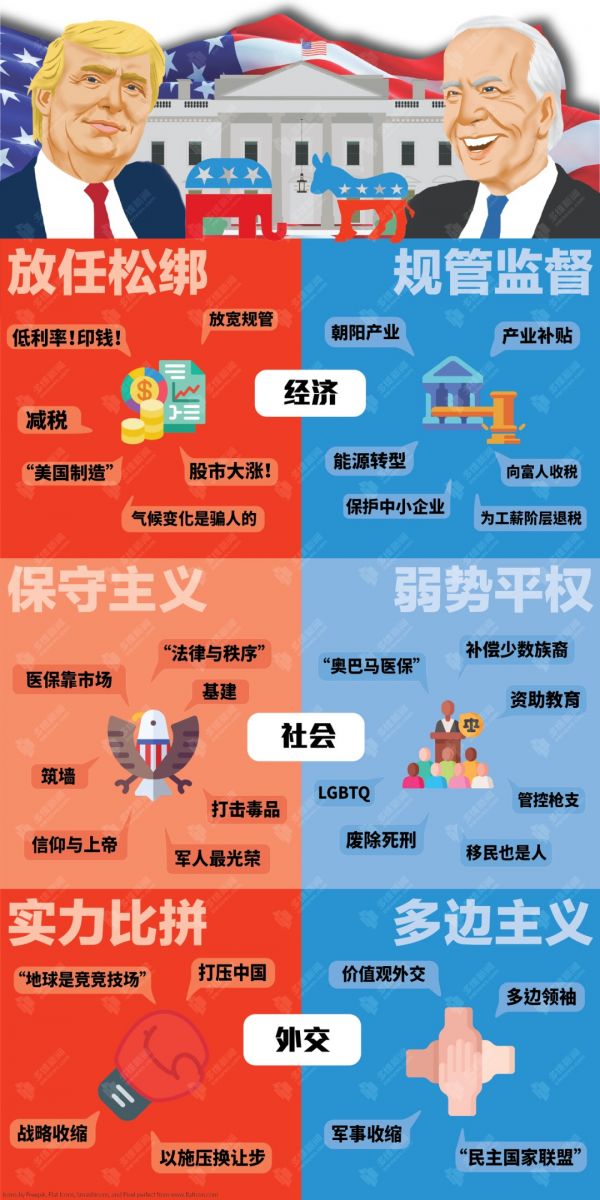
In terms of party platforms, the Republican Party emphasizes deregulation, conservatism, and power competition; while the Democratic Party prioritizes regulation, protection of the disadvantaged, and multilateralism.
On a personal leadership level, Trump is simple, rough, and direct; Biden, on the other hand, is a more traditional, seasoned politician who cares about appearances and won't casually turn his back on others.
For international students, regardless of which party is in power, their new policies will have a profound and far-reaching impact on the next four years of study, work, and immigration.
Of course, no matter which party comes to power, the policy of suppressing China will not change.
Especially under the influence of the pandemic, negative views of China among American voters from both parties have generally risen. "Cracking down on China" is a "politically correct" diplomatic choice for any politician.
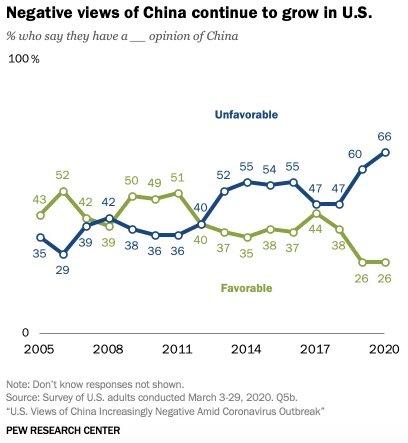
The only difference lies in the methods: Trump would choose to act directly, while Biden would choose to plan first before acting.
Trump's "All-Knowing" Reality Show Moments
Trump's political tactics, unsurprisingly, still maintain his businessman mindset. His various crackdowns on China ultimately aim for what he calls "equal deals."
Thirty years ago, his views on Japan's trade were eerily similar to his current trade oppression against China.




Whenever Trump perceives something as unfair, he resorts to so-called "sanctions." Even against Google, an American tech giant, he still advocated for the Department of Justice to file an antitrust lawsuit against it.
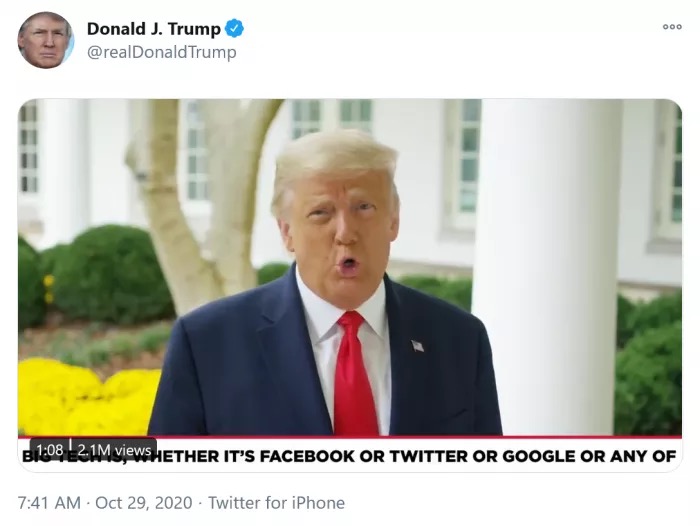
But Trump's stance is easily swayed by personal political interests. Coupled with his strong personal style, every action becomes more dramatic and he won't stop until he creates a huge spectacle.
From the chaotic first presidential debate, to his miraculous rapid recovery from COVID-19 infection, to his rally blitz dancing to rally support... Throughout the election, Trump proved time and again to the world that nobody knows better than him how to "win."
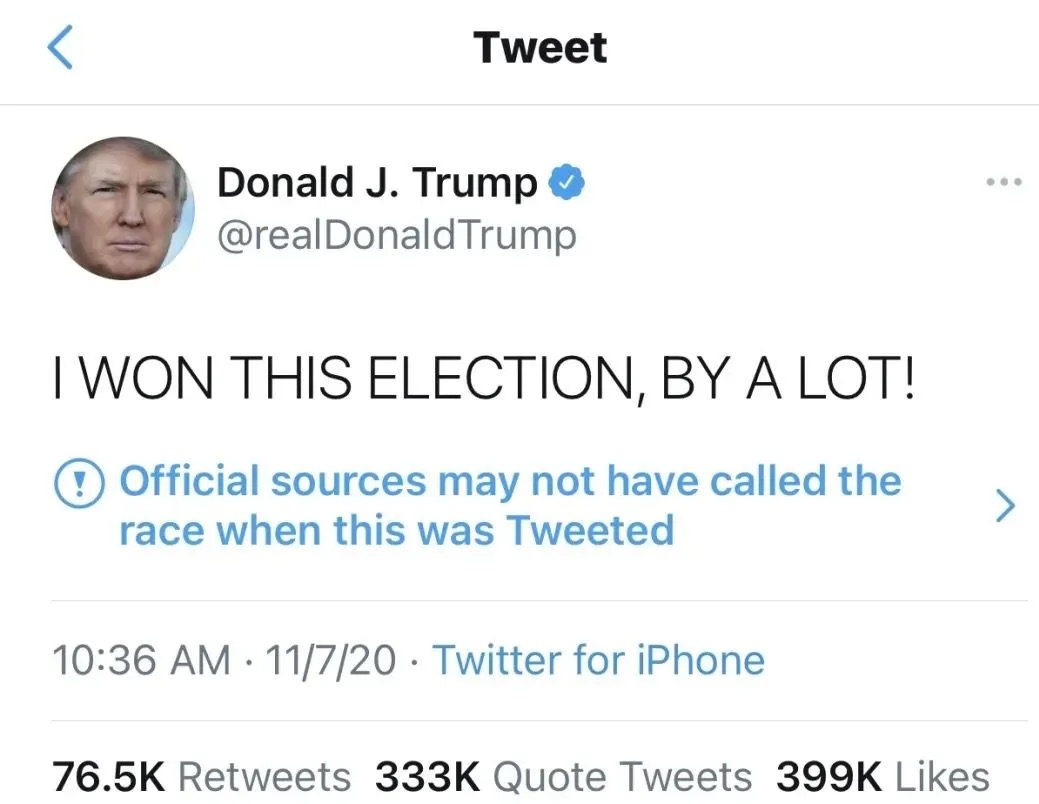
Of course, as a "troublemaker," Trump naturally became the target of widespread criticism. Since Election Day, even his favorite social platform, Twitter, has directly slapped him with a 30-second delay barrier against spreading misinformation, leaving him with no chance for a last desperate struggle.
With Biden in Office, What Changes Are Ahead?
Biden, on the other hand, has a completely different political style from Trump. He has a deep political background and is considered a "normal politician" in the public eye.
As the new U.S. president, he won't adopt the radical, almost obsessive attitude Trump displayed, nor will he be anti-globalization like Trump.
For China, containment will continue, but Biden will place greater emphasis on scientific rationality and focus more on maximizing U.S. own interests.
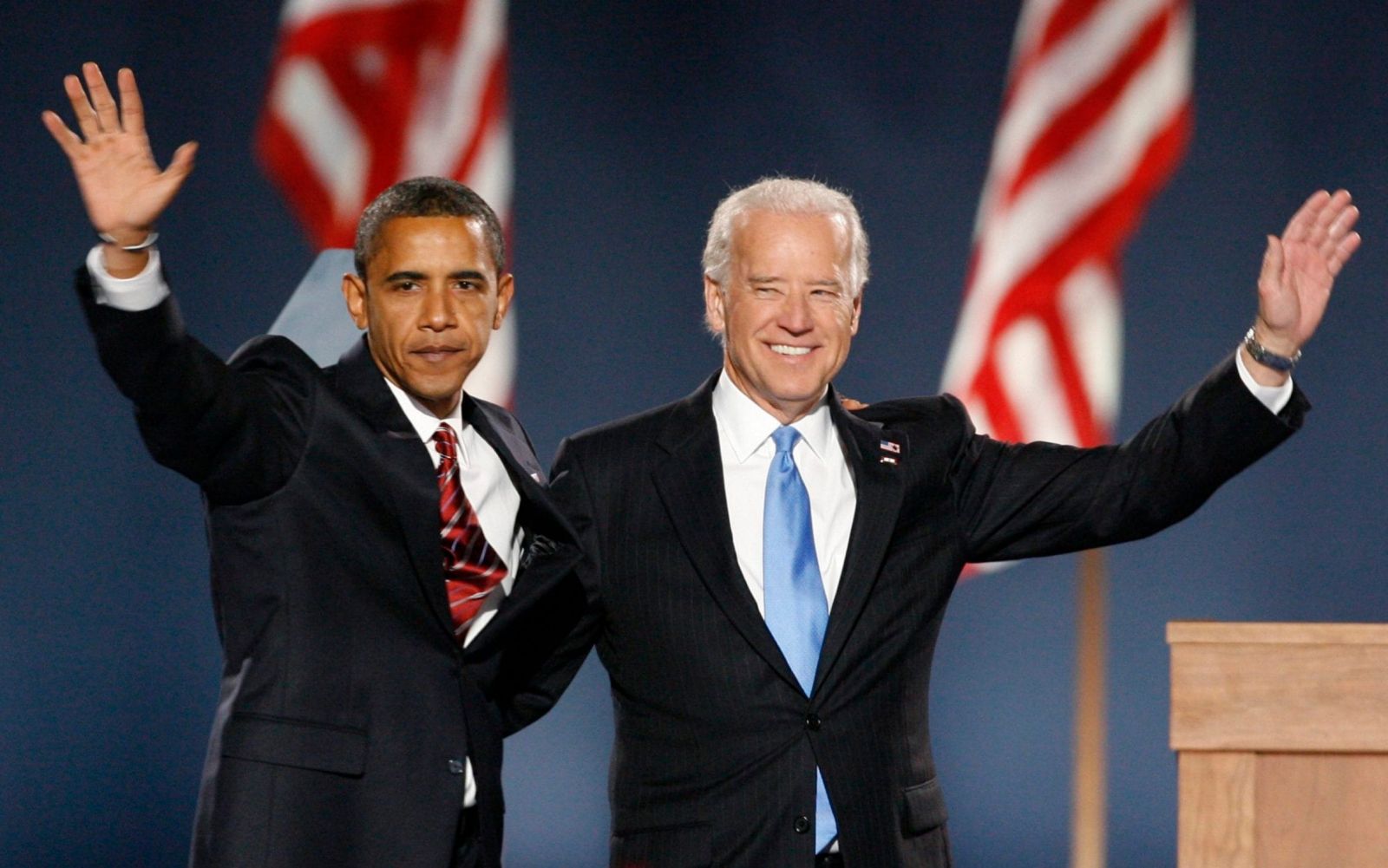
After taking office, Biden is expected to adopt the approach Obama once advocated: maintaining U.S. leadership and rallying allies to contain China. Direct, frontal conflicts between China and the U.S. may ease, but the strategic rivalry between the two countries will not diminish.
For international students, from a full-scale cut-off of flights to China and then a withdrawal of the flight ban; from banning international students from taking purely online classes in the U.S. to revoking that online-only ban; from ordering a block on WeChat to that ban being rejected multiple times; and now the hotly debated EOS and H-1B new regulations...
This year, in his bid for re-election, Trump has arguably gone all out to make "China" a campaign issue, continuously targeting international students. Even if he ultimately failed to win over American voters, he certainly grabbed the attention of international students.
The Sino-U.S. relationship has developed to such a state that many international students have had to rethink their academic journeys.
Biden's presidency is expected to bring hope for improvement on the recent harsh policies the Trump administration imposed, which are unfavorable to international students, such as visitor access restrictions, the new EOS regulation, and changes to the work lottery system.
Will the Future Be Brighter for International Students in the U.S.?
1. The study environment is expected to become more relaxed and friendly
Under Biden's administration, the pandemic control measures, which are a top concern for students and parents, are expected to see more effective solutions. At the same time, the Biden administration is also expected to provide a more relaxed and friendly entry and exit policy, allowing international students and talents from all countries to study and live more comfortably in the U.S. At the very least, there won't be the constant risk of deportation or denial of entry that existed during Trump's term.
Biden has stated that he will reform immigration policies after taking office. Coupled with the Democratic Party's emphasis on diversity, internationalization, and a re-evaluation of U.S. interests, even if the prospects for a full improvement in Sino-U.S. relations are slim, the situation will still look better than it does now.
During former Democratic President Obama's tenure, international students indeed benefited from two far-reaching policies: the STEM OPT extension and the permission for H-1B spouses to work in the U.S. The number of Chinese international students in the U.S. also reached its peak during Obama's presidency.
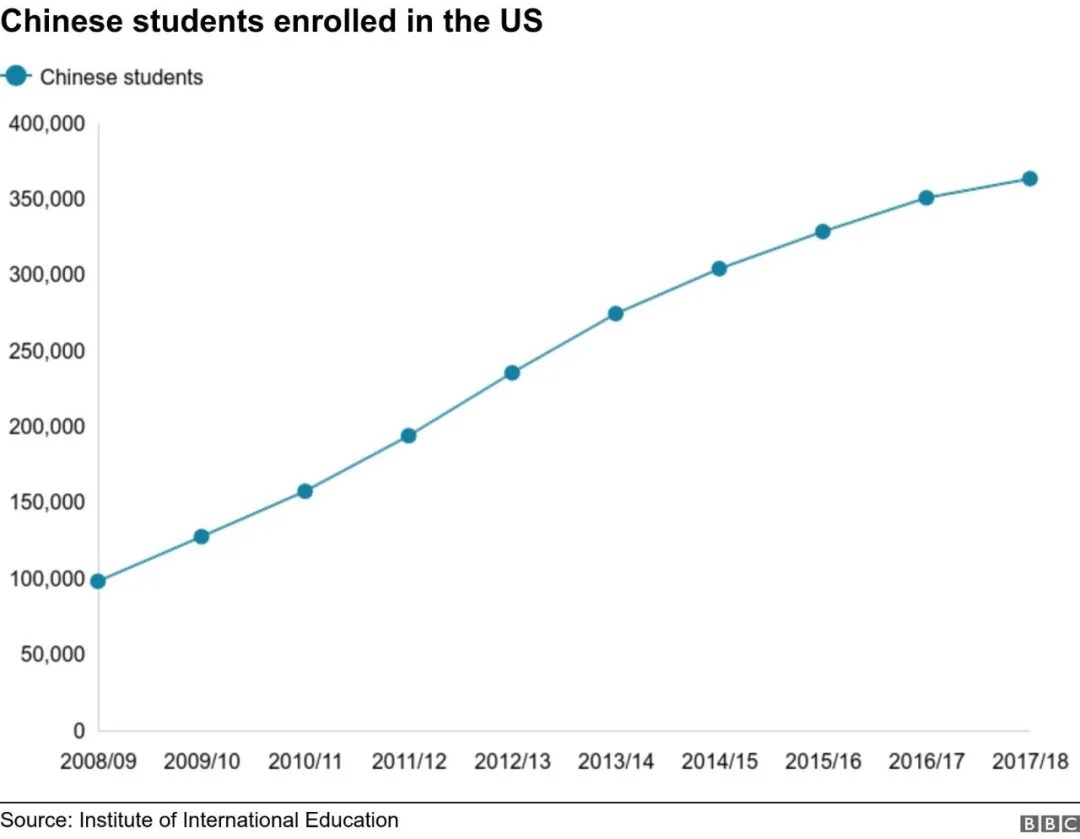
We wait to see what favorable measures Biden's term will introduce for international students.
2. Don't just pin hopes on an election; comprehensive long-term planning is more important
Of course, Chinese international students are not U.S. citizens, so pinning our future on the U.S. election is, to some extent, a helpless bystander act.
After Biden takes office, how many of Trump's decisions he will reverse and whether he will introduce new restrictive regulations specifically targeting Chinese international students cannot be accurately predicted.
The various disruptions during Trump's term, combined with this year's extraordinary pandemic, have made us deeply aware of how important it is to be "well prepared for battle."
In the face of new changes, what everyone should be doing now is crafting a comprehensive long-term plan to provide more pathways for themselves.
3. Actively communicate with U.S. universities and continuously safeguard your legal rights
Furthermore, Chinese international students should actively voice their concerns, making their current predicaments known to more people and helping to improve the situation.
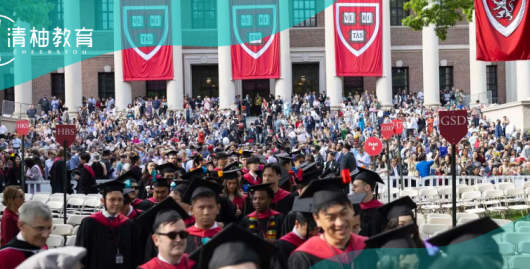
A significant portion of U.S. university revenue comes from international student tuition. Coupled with the multiculturalism that the American education sector inherently advocates, it is destined that U.S. universities will always stand on the side of international students.
.jpeg)
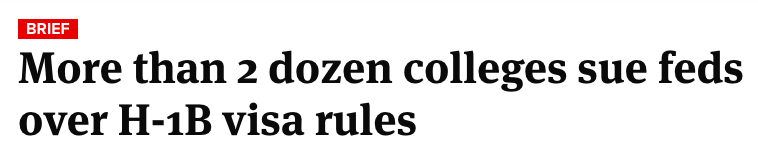
Since Trump took office, the standoffs between universities and the government have been frequent, and each time they have effectively helped international students navigate through difficulties. Having endured Trump's term, universities are now increasingly focused on safeguarding the legal rights of international students in the U.S.
After Biden takes office, it is expected that U.S. universities will continue to negotiate with the government, helping to revoke unfavorable regulations for international students and continuing to provide more favorable conditions, thereby helping themselves recover from the previous downturn.
The surreal 2020 is drawing to a close. International students this year have truly had a tough time; you have been through a lot, endured many trials, and grown a great deal.
The election is over, but the road of studying abroad remains long. We sincerely wish every student overseas can successfully complete their studies and fully realize their academic aspirations.
Precise positioning for conquering top schools!
Scan the QR code below now to start a one-on-one study abroad consultation~
.jpg?x-oss-process=style/opt-webp)