A large number of prestigious universities, including Ivy League schools, have recently released their latest admissions data.
Harvard's admission rate has hit another historic low.
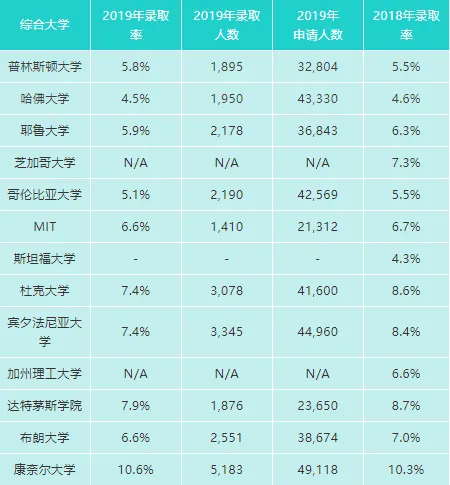
This year, there were 43,330 applicants, with 1,950 admitted, yielding an admission rate of just 4.5%, slightly down from last year's 4.6%.
The admission rate for Asian Americans increased from 22.7% last year to 25.4% this year. Harvard is now awaiting the final ruling on the "Asian-American admissions discrimination case."
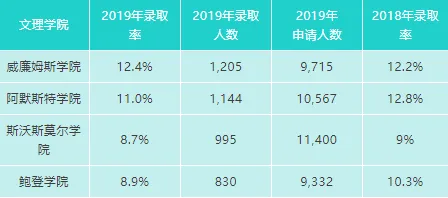
Most top US colleges saw a decrease in admission rates, with the exception of Princeton and Cornell, as both schools experienced a drop in applicants this year.
Below is a comparison of the 2019 and 2018 admission rates for some prestigious universities:
Stanford University announced last year that it would no longer release admission rates to reduce public focus on such data. Stanford Provost Persis Drell noted at the time, "Admission rates do not help students find the university that best fits their interests, which is what the college experience should be about."
Indeed, some schools use aggressive marketing strategies to significantly expand their applicant pool, thereby influencing admission rates and making the school appear highly selective.
At the same time, the lower the admission rate each year, the more likely students are to apply to more colleges, hoping to maximize their chances of acceptance.
It's not uncommon for American students to apply to 20 colleges. This creates a vicious cycle: as top schools generally don't expand enrollment, the admission rates keep dropping, making students and parents more anxious, who then apply to even more schools.
Top universities have also been at the center of recent national admissions scandals. Prestigious schools like Yale, Stanford, and USC were found to have inequitable admissions practices. Now, the news of record-low admission rates undoubtedly adds to the worries of students and parents.
Are highly selective universities, especially Ivy League schools, truly the best choice for every student?
A recent study shows that a university's prestige does not determine what students learn or their satisfaction with life during or after college.
Admission rates are just one factor affecting a university's prestige, and prestige itself is only one consideration in the college application process.
Finding the college that fits you best is what matters most. For those preparing for 2020 applications, there's no need to be rattled by low admission rates.