Spring admissions, often called "spring apps," differ from regular fall admissions primarily in the application opening dates and application deadlines.
For spring admissions, the application period usually runs from August to November each year. For many students who missed the fall application cycle, this represents a second chance.
Many students have questions about the difficulty of spring applications, and CheersYou(清柚教育) will provide the most comprehensive answers here.
1. Is the spring application process particularly difficult? Should I pursue an internship or wait for the fall cycle?
Many students, when considering spring admissions or taking a gap year to wait for the next fall cycle, worry most that fewer spring options might mean greater competition.
In reality, the admissions requirements remain exactly the same. The average acceptance rate for spring is no different from that of fall.
The only individual variation depends on the number of applicants and the number of spots available in a given year. The number of spots is determined by how many students were admitted in the fall. For example:
Some programs that did not fill all their spots in the fall, or where spring applicant numbers are low, may see slightly lower competition.
2. Does spring enrollment mean missing out on summer internship opportunities in the US?
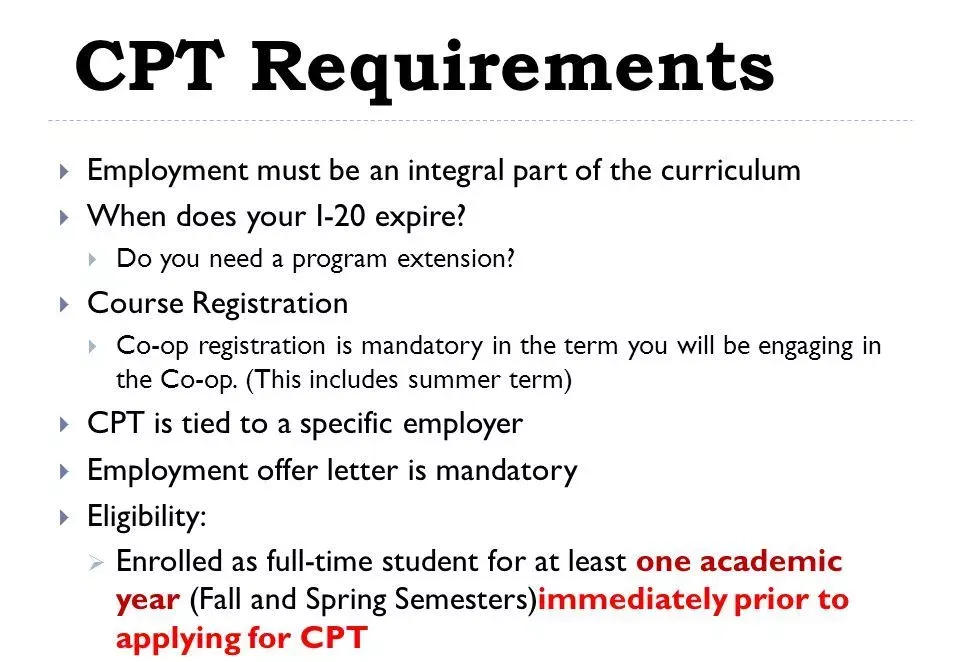
US immigration regulations require international students to have studied in the US for at least 8 months before they can apply for CPT (Curricular Practical Training) to do an internship.
This is indeed a drawback for many students who did their undergraduate studies in China. However, if you already hold a US bachelor's degree, this restriction does not affect you at all.
Another scheduling advantage of spring enrollment is that many US graduate programs are one and a half years long. This means that spring enrollees will graduate in June of the following year, whereas typical fall enrollees graduate in December.
Most companies start their fall recruitment in July or August, which actually works out very well for spring graduates.
3. Is course selection more difficult in the spring?
Because the number of spring enrollees is smaller, course offerings are generally designed around the fall intake. This inevitably means some courses are not offered in the spring, but this will not affect students’ ability to graduate on time—only elective options may be limited.
4. Who is a good candidate for spring admission?
Spring admission is most suitable for those whose study-abroad preparation was insufficient, leading to missing fall deadlines because TOEFL, GRE, or GMAT scores were not ready in time.
For these students, waiting for the next fall intake would mean a one-year gap. Applying for spring admission allows them to avoid losing too much time, making it a great option for those with background weaknesses.
5. Spring school list?
Since spring admission availability varies by program and department at US graduate schools and can change from year to year, it is essential to check the school’s official website or contact the department directly to confirm that your desired program accepts spring applications.
To give you a general direction, CheersYou(清柚教育) has compiled the following list of popular majors and schools that typically offer spring admission (for reference only; always verify with the current official website):
Education programs:
Columbia University
New York University
Economics programs:
University of Southern California
Johns Hopkins University
Engineering programs:
University of Southern California
New York University
Northwestern University
Arts management programs:
Columbia University
Boston University
New York University
Computer science programs:
Cornell University
Boston University
Rice University
Whether spring admission is a minefield or an opportunity depends largely on how students weigh its drawbacks against its advantages.
Given that admission difficulty remains essentially the same, if your desired program offers a spring start, it is worth a try. During a gap period, the loss of time is often more regrettable.
I hope every student seizes the opportunity and secures an offer from their dream school!