American billionaire Stephen Schwarzman has donated $188.75 million (about £150 million) to the University of Oxford to support humanities research. The donation will reshape how humanities are studied and taught at Oxford, and will also open new frontiers in tandem with the Schwarzman Centre, which includes Oxford's new AI ethics institute.
As chairman, CEO, and co-founder of Blackstone, the world's largest alternative investment firm, Schwarzman said: "For nearly a millennium, Oxford's humanities research has been central to Western civilization and scholarship. We need to ensure its insights and principles are adapted to today's dynamic world. Oxford's longstanding global leadership in the humanities makes it well-positioned to achieve this important goal."
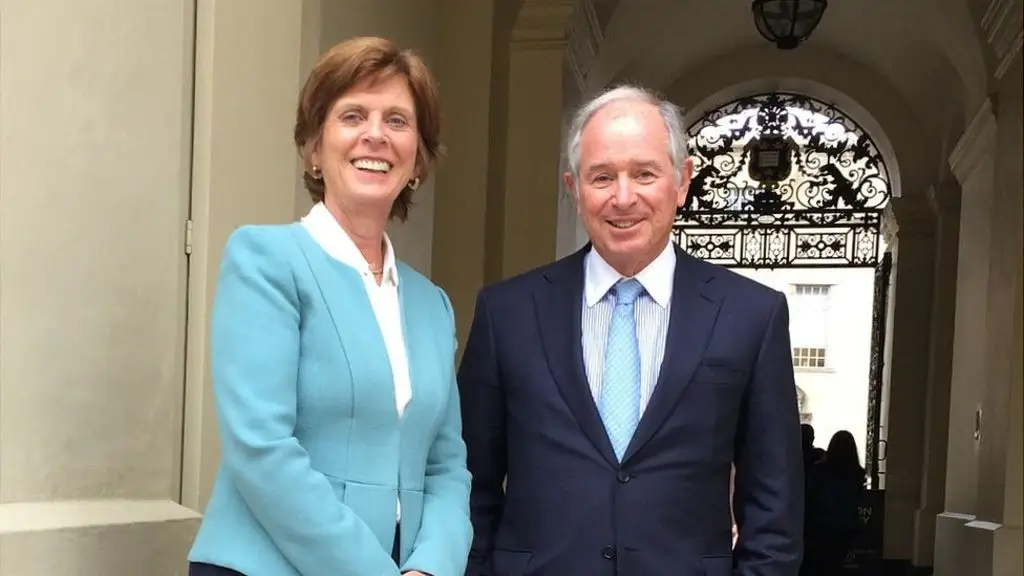
Oxford also plans to use the donation to expand its academic posts and scholarships, to attract a new generation of humanities students and address criticism over its failure to recruit a diverse student body. Schwarzman's gift is the largest single donation Oxford has received since the Renaissance. The new facilities will include a 500-seat concert hall, a 250-seat auditorium, and performance and exhibition spaces for music, dance, and the arts.
Just last year, Schwarzman also gave a huge donation to the Massachusetts Institute of Technology (MIT). He provided $350 million to fund a new college at MIT, having already donated billions of dollars to other institutions for research on AI-related issues.
Schwarzman has been in contact with MIT's president since 2005, when he created his Schwarzman Scholars program in China to foster a better understanding of the country. His fascination with AI technology originated from initial conversations with Jack Ma. Those exchanges sparked a strong interest, prompting him to engage with more industry experts and reinforcing his belief in the powerful potential of AI.

Recently, quite a few other top schools have also received massive donations from alumni.
UCLA's Samueli School of Engineering received a $100 million gift from Henry and Susan Samueli, specifically designated for expanding the engineering school. This amount marks the largest single donation in UCLA's history and will allow the engineering school to enroll at least 1,000 additional students.

This is not the first donation from the Samuelis. Back in 2000, the school received a $30 million gift from them, and the school was named after Henry Samueli.
Combined with this latest donation, the Samuelis have now given more than $188 million to UCLA and over $478 million to the University of California system.
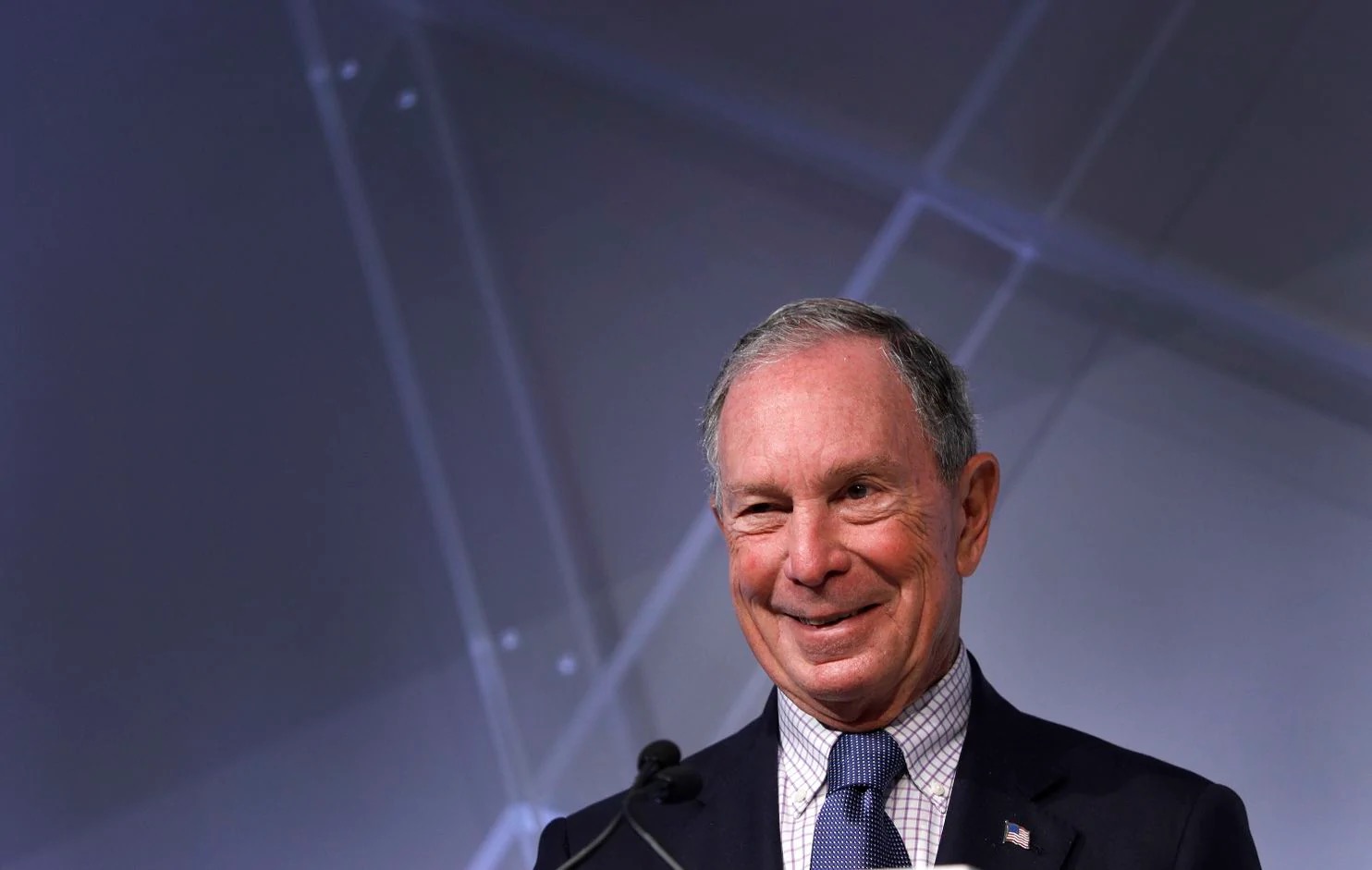
In November last year, Michael Bloomberg donated another $1.8 billion to his alma mater, Johns Hopkins University, aiming to provide financial aid to undergraduate students from low- and middle-income families.
This became the largest single donation in the history of American higher education.
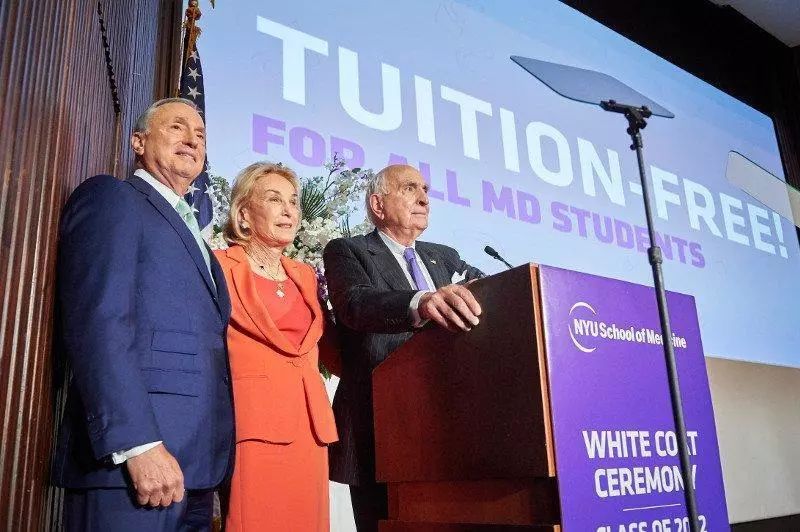
There is also a school that eliminated tuition thanks to a massive donation—NYU School of Medicine!
Last year, NYU School of Medicine announced that, out of concern over the heavy debt burden on graduates, it would cover tuition for all students, regardless of their grades or financial need.
The school had already raised $450 million of a $600 million goal, including a $100 million gift from Kenneth Langone, chair of the NYU Langone Health Board of Trustees, and his wife Elaine Langone.
However, massive donations sometimes stir controversy and bring trouble.
Earlier this year, the University of Cambridge received one of the largest single donations in the history of UK higher education, a gift of £100 million, worth approximately 872 million RMB.
The donation came from Cambridge alumnus David Harding, founder of investment management firm Winton Group, and his wife Claudia Harding, with part of the funds intended to improve educational access for disadvantaged and minority ethnic students.
In a statement, Cambridge also stated that £79 million of the donation would go toward supporting doctoral and graduate students, £20 million toward undergraduates, and £1 million toward attracting more students from underrepresented backgrounds.
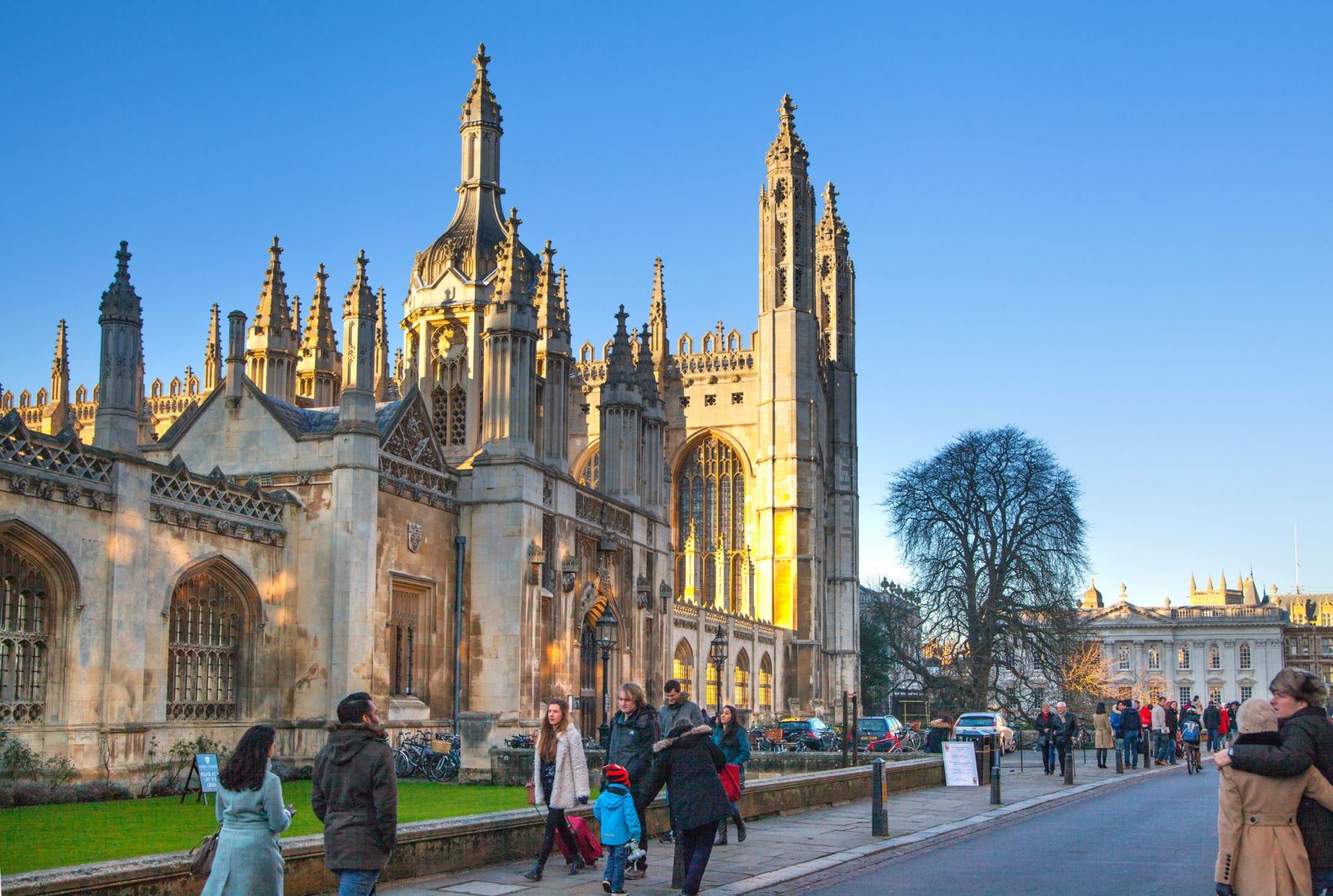
Cambridge is already the wealthiest university in the UK, with total assets of £11.8 billion.
Some therefore argued that the largest ever donation to a UK university flowed into the country's richest institution, with 79% going to graduate students, 20% to undergraduates, and only 1% to disadvantaged students—raising questions about whether it truly qualifies as support for underprivileged and underrepresented groups.
In some cases, personal donations can even serve as bribes for corruption.

In the US college admissions scandal that has been making headlines this year, many parents’ bribes were disguised as "donations" or "foundation grants" in an attempt to game the system and secure their children’s admission to top American universities.
In the United States, university donations are a longstanding tradition. Many top American universities are private, deliberately rejecting government funding to maintain financial independence, and thus rely heavily on alumni donations to operate.
Alumni of American universities have always been quite generous; the alumni giving rate at top schools is generally 30% to 40%. At Princeton University, for example, the alumni giving rate is close to 70%. Of course, the vast majority of these donations are small contributions, with only a few being the kind of mega-donations mentioned above.
Top American universities themselves have professional fundraising teams and even operate their own investment management companies. However, this funding model also widens the wealth gap between universities.
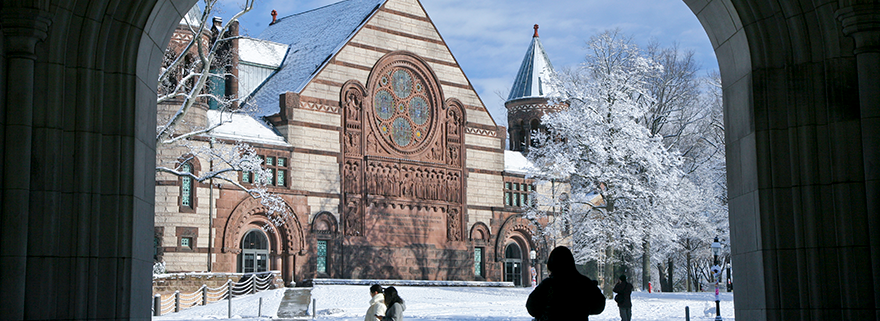
Top universities receive more donations, while average institutions struggle to advance, a landscape that sometimes even gives rise to scandals like admissions bribery.
Meanwhile, since taking office, President Trump has slashed government spending on public welfare programs and, for the third consecutive year, proposed a $7.1 billion cut to the Department of Education’s budget. Under these circumstances, the polarization of American higher education will only worsen.
It seems that at British and American universities, these mega-donations—where they come from, why they are given, and where they go—are far from straightforward.
So, what do you think about these massive donations?