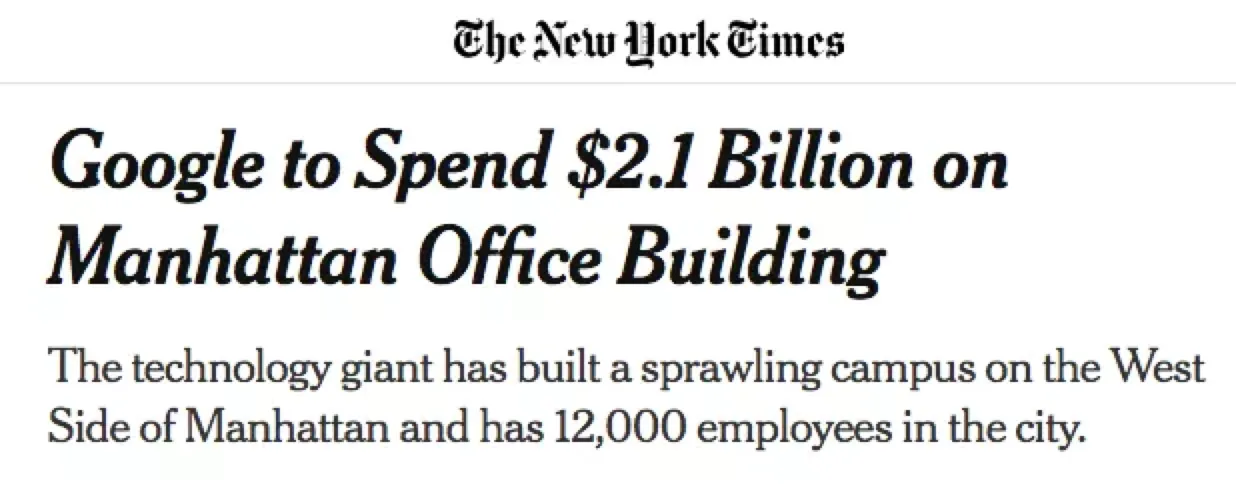
Last week, Google announced the acquisition of an office building in Hudson Square, Manhattan's West Side, for $2.1 billion. According to data firm Real Capital Analytics, this deal set the highest price for a single US office building since the pandemic began.
As the economy continues its post-pandemic recovery, what motivates Google's massive real estate investment? With Silicon Valley tech giants increasingly moving east, what new trends in studying abroad will emerge?
Google Splashes Billions to Expand its NYC Footprint
Google's multi-billion-dollar purchase signals that Silicon Valley tech giants are continuing to expand eastward.
Google has deep roots in New York over the past 20 years and has been particularly active in recent years. In 2018, it spent heavily to buy Chelsea Market and expand its Pier 57 campus, and now it is building a 1.3 million-square-foot Hudson Square campus—all part of strengthening its East Coast presence.
Currently, Google has 12,000 employees in New York, second only to its California headquarters. The acquisition of St. John's Terminal, this new “crown jewel” building, will expand Google's New York footprint to 3.1 million square feet, making it Manhattan's largest commercial property owner. The company also expects to open more positions and hire an additional 2,000 employees.

Google CFO Ruth Porat said, “New York's vibrancy, innovation and world-class talent attract Google to be rooted here, and we look forward to growing together with this incredibly dynamic and diverse city.”
Silicon Valley's Eastward Migration: Tech Giants Flock to New York
Google is not alone. In recent years, Apple, Facebook, Amazon and other tech companies have been investing heavily or signing long-term leases in New York.
Facebook has been expanding in Hudson Yards, and last August it took over 730,000 square feet of office space in Midtown Manhattan, soon to renovate the century-old Farley Post Office into the James A. Farley Building. Facebook currently has over 3.2 million square feet of office space in Manhattan and continues to grow.

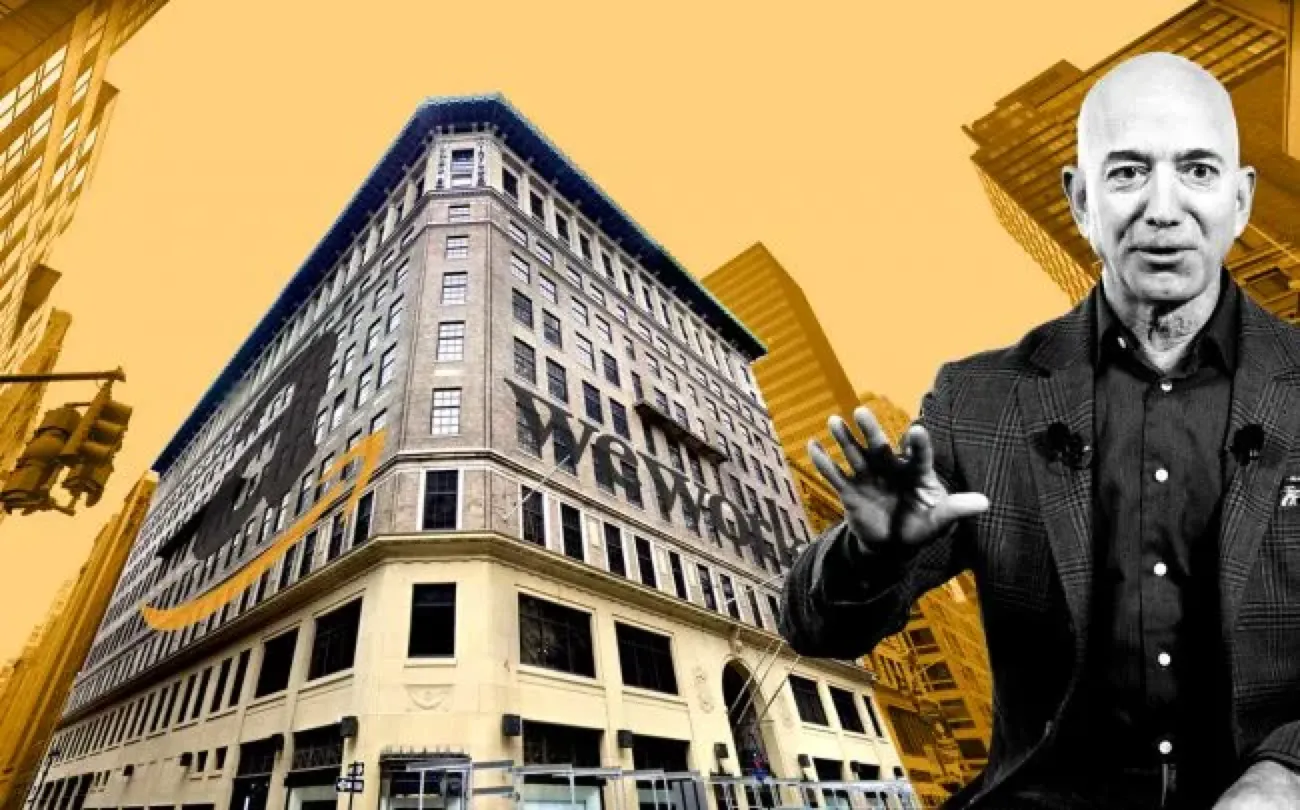
Amazon is also rapidly expanding in Manhattan. At the start of the pandemic, Amazon paid $980 million to buy the Lord & Taylor building on Fifth Avenue, which will become its new New York headquarters. Although policy issues led Amazon to cancel plans for a second headquarters in Long Island, it still holds nearly 2 million square feet of office space in the New York area.
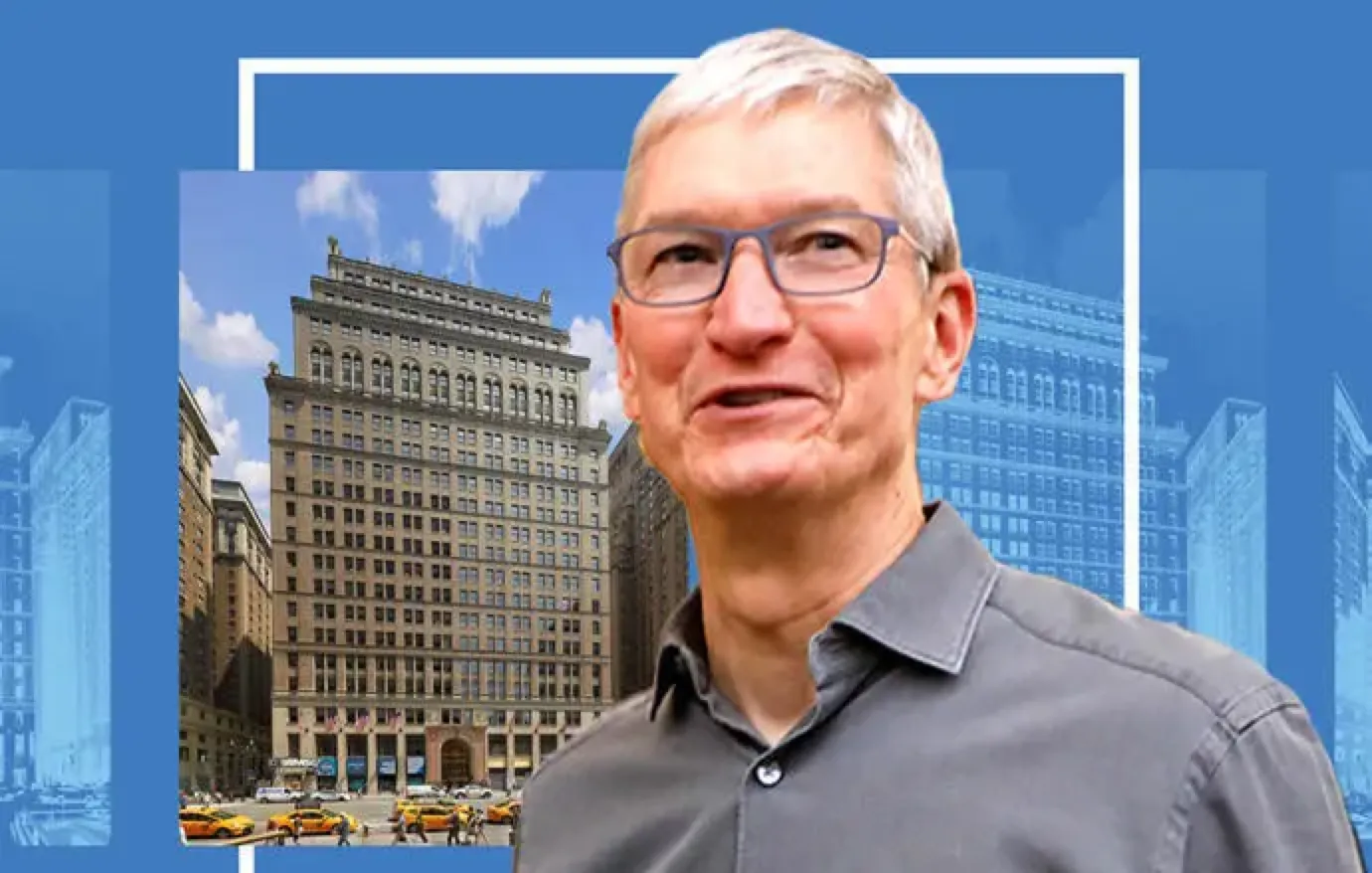
Last February, Apple signed a long-term lease at 11 Penn Plaza, expanding its office space to 220,000 square feet, just a block from Facebook's new Farley Building. In addition, Apple has 52,000 square feet of office space in Flatiron on Fifth Avenue.
As tech giants land on the island and continuously expand, making huge real estate purchases or signing long-term leases, Google, Amazon, Facebook now occupy nearly 10 million square feet of office space in Manhattan, and together with small and medium-sized tech startups, they have formed a 'new East Coast Silicon Valley'.
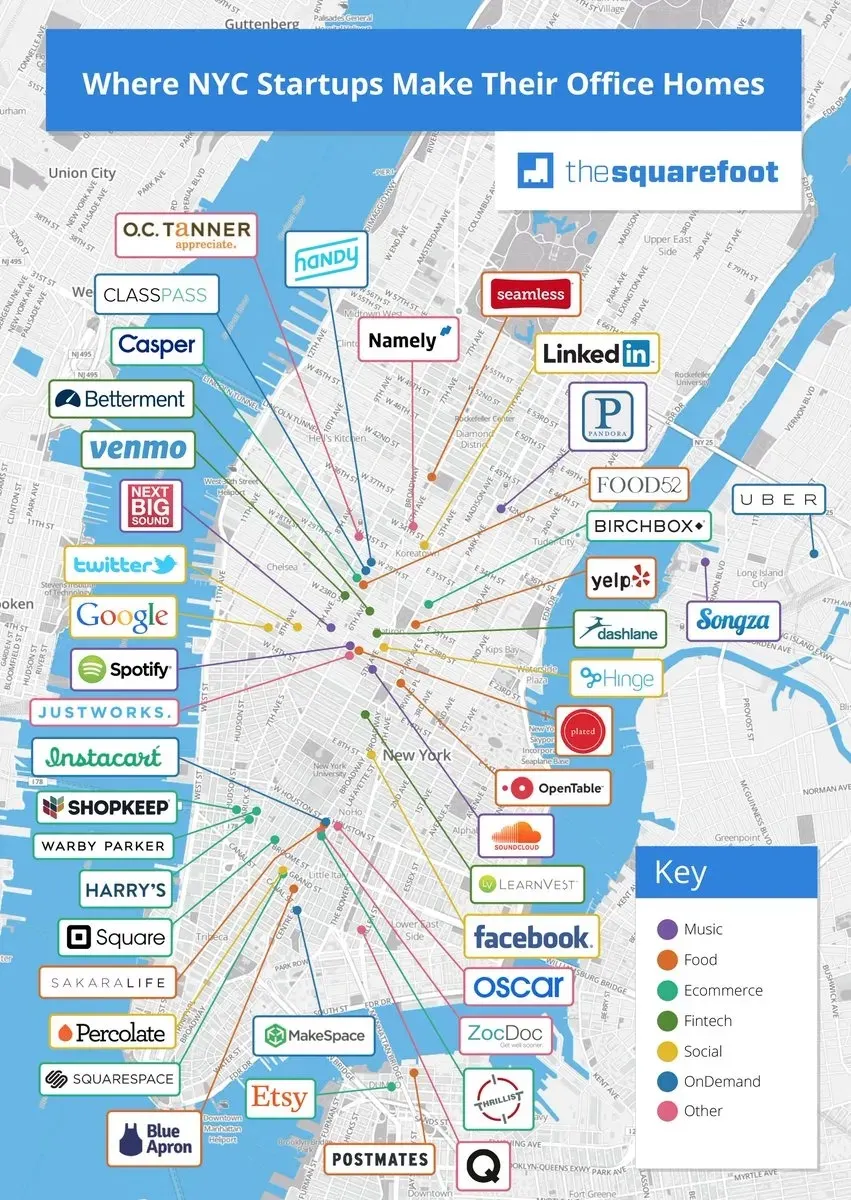
NYC is no longer the traditional Wall Street financial hub; now a large number of tech companies valued over $1 billion have poured in, blurring the line between West Coast Silicon Valley and East Coast Wall Street. These tech companies, connected like a line, will form a tech corridor stretching across dozens of blocks in Manhattan.
Retail moving online, banking going digital, consulting relying on data, and advertising/media companies emphasizing quantitative analysis... The integration of New York's tech industry with other sectors not only injects new vitality into traditional industries but also brings a unique brilliance to the tech sector.
Fintech: The New Trend in Finance and Technology
Leveraging Wall Street's powerful financial resources, New York attracts global tech giants and countless small and medium-sized tech startups.
Tech giants themselves have strong cash flows, and entering the financial sector is inevitable; most also have a vision of “using technology to drive finance”. With their convenient digital payments and money transfer services, tech companies are challenging the traditional financial industry.
If you can't beat them, join them. Banking giants like Goldman Sachs and Capital One are not only developing their own smart payment solutions—launching e-wallets like Marcus by Goldman Sachs and Capital One 360 Money Market—but also cooperating deeply with tech companies. Last year, Apple launched a co-branded credit card with Goldman Sachs, and Google rolled out Google Pay in collaboration with Citibank.
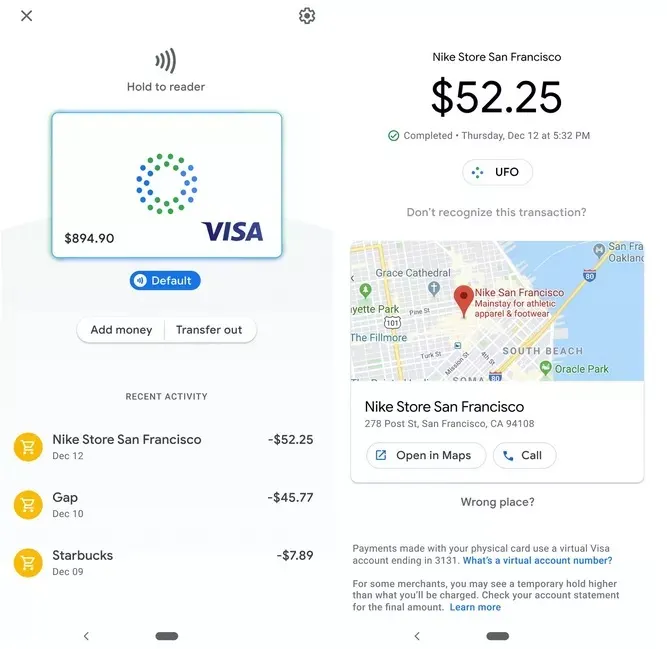
Fintech is the industry trend; finance and technology will become further integrated. Looking at China, in early 2021 Douyin (TikTok) also launched payment features for deposits, withdrawals and transfers. Today, internet giants have all joined the digital finance space, including Alipay, WeChat, JD.com, Suning, Didi, Meituan, Baidu, ByteDance and many other leading tech companies.

Whether it's the decentralization of Silicon Valley or the rise of Fintech, both reflect a new trend in the tech industry: companies with different development goals need to be rooted in cities with corresponding attributes to obtain the industrial nourishment and urban resources they need.
Future tech development requires close integration with relevant industrial chains, and New York is just such a gathering place for industries.

Elite Universities: A Rich Talent Pool
Beyond rich urban resources and industrial advantages, top-notch student talent and talent reserves are also key reasons New York attracts tech companies.
Whether it's Columbia University, NYU, Fordham, Pratt, Parsons in NYC, or Cornell, University of Rochester, Rensselaer Polytechnic Institute, Syracuse University in New York State, all continuously supply top talent to New York—an enduring appeal that attracts prestigious enterprises.
In 2011, under the leadership of former NYC Mayor Michael Bloomberg, Cornell University began establishing a tech campus on Roosevelt Island called Cornell Tech, aiming to cultivate academic talent and entrepreneurs in engineering and technology fields. Over 30 years, it plans to provide 28,000 jobs, incubate 600 startups, and generate $23 billion in economic output.

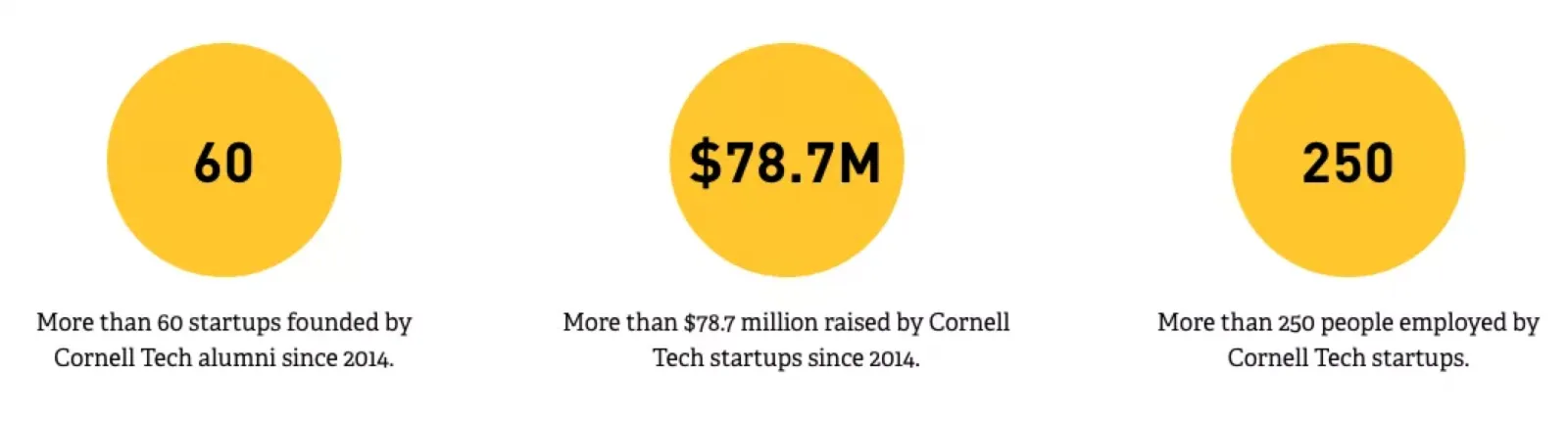
Currently, Cornell Tech alumni have founded over 60 startups, and more than 500 graduates have entered top tech companies. Notably, Cornell Tech Dean Daniel Huttenlocher is also an important member of Amazon's board, highlighting the deep cooperation between universities and enterprises.
Columbia University established the Data Science Institute (DSI) in 2012, further enhancing talent cultivation in computer science, statistics, industrial engineering and other fields.

In 2014, New York University incorporated the Brooklyn Polytechnic Institute to establish the NYU Tandon School of Engineering.

Additionally, Princeton in New Jersey and Yale in Connecticut also provide a steady stream of talent reserves for New York.
Why Are California Undergrads Choosing East Coast Grad Schools?
Relatively speaking, graduate admissions are less competitive than undergraduate, so many students mainly consider Top 50 or even Top 30 schools for their graduate studies, and over 80% of US Top 50 universities are located in the East.
Moreover, graduate studies are more closely tied to future career development. Applicants tend to prefer cities with superior locations and a cluster of prestigious companies, making the East Coast the mainstream choice for graduate applications. Among these, New York, Boston, and Washington DC are the most popular. New York's elite talent pool, Boston's famous universities and humanities, and Washington's political atmosphere all attract international students.

Compared to California, the number of selectable top-30 schools is pitifully few, and graduate programs are far fewer than in the East. The difficulty of getting into top-tier schools like Stanford and Caltech is obvious; it's a battleground for top achievers, and these schools have a large proportion of PhD programs.
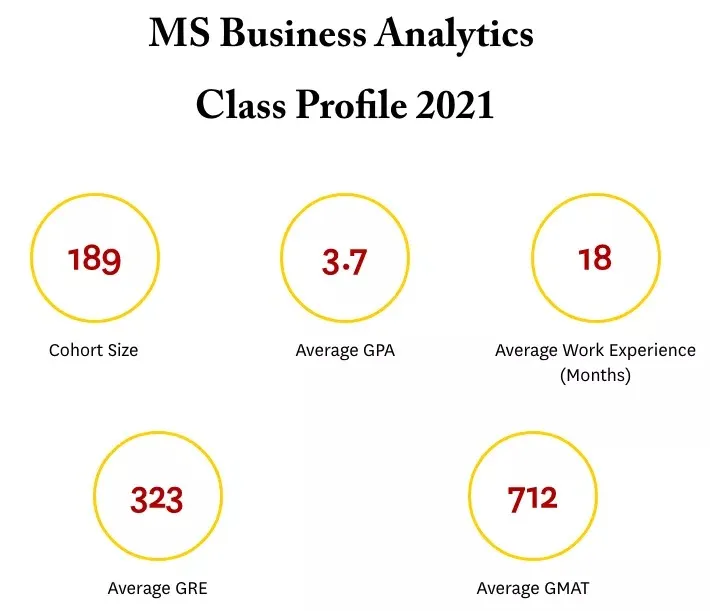
USC is also notorious for its strict score requirements; its popular programs have very demanding criteria and tend to prefer applicants with some work experience, making them less friendly to international students applying directly from undergraduate. Take USC's M.S. in Business Analytics program as an example: the average admitted student GPA is as high as 3.7, GRE average 323, and average work experience is 18 months.
Applying to UC system schools like UCLA and UC Berkeley is even more fiercely competitive.
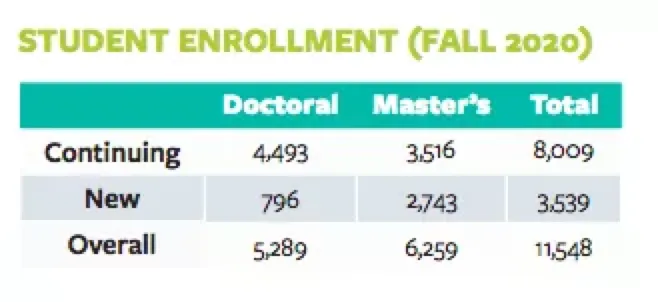
Take UC Berkeley and NYU as examples: In fall 2020-21, UC Berkeley enrolled 2,743 new graduate students;
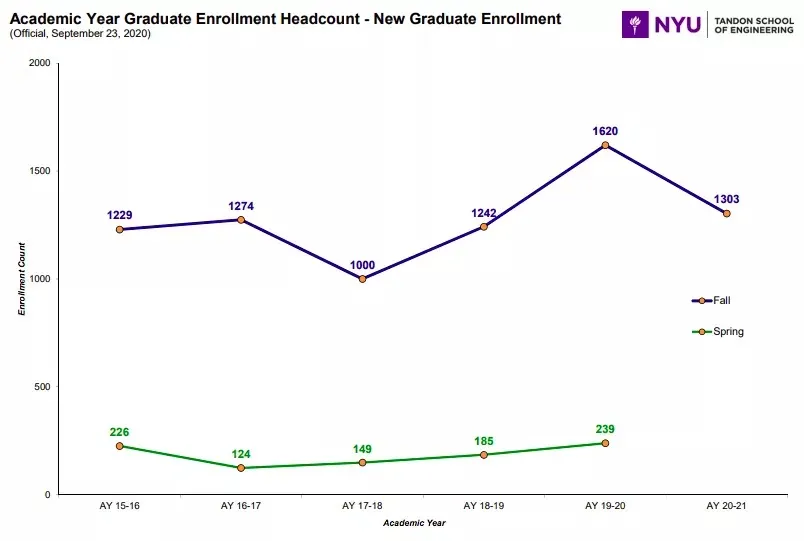
In the same period, NYU's Tandon School of Engineering alone enrolled 1,303 new students.
Besides inherently low acceptance rates, the last two years have been further impacted by policies, making it even harder for international students to apply to UC schools. Since the 2020 application cycle, the number of international students admitted to UC campuses has dropped sharply, with UCLA reducing international enrollment for three consecutive years.
Just recently, UC Berkeley was ordered by a local court to “freeze enrollment at 2020-21 levels”. Coupled with California's passage of a bill in June to reduce out-of-state student enrollment, it's now certain that UC schools will become even harder to get into in the future.

Thus, it's only natural that more students are considering East Coast graduate programs. The East Coast has more prestigious universities and a richer variety of graduate programs, increasing the chances of getting into their desired majors. Especially for students in business or humanities, East Coast schools are ideal choices.
With tech giants continuing to move east and more top companies putting down roots in cities like New York and Boston, the job prospects on the East Coast will become even broader in the future.
Whether you major in finance, economics, education, art—fields better suited to East Coast schools—or STEM, you will find your place in the constantly integrating new industries of the East.