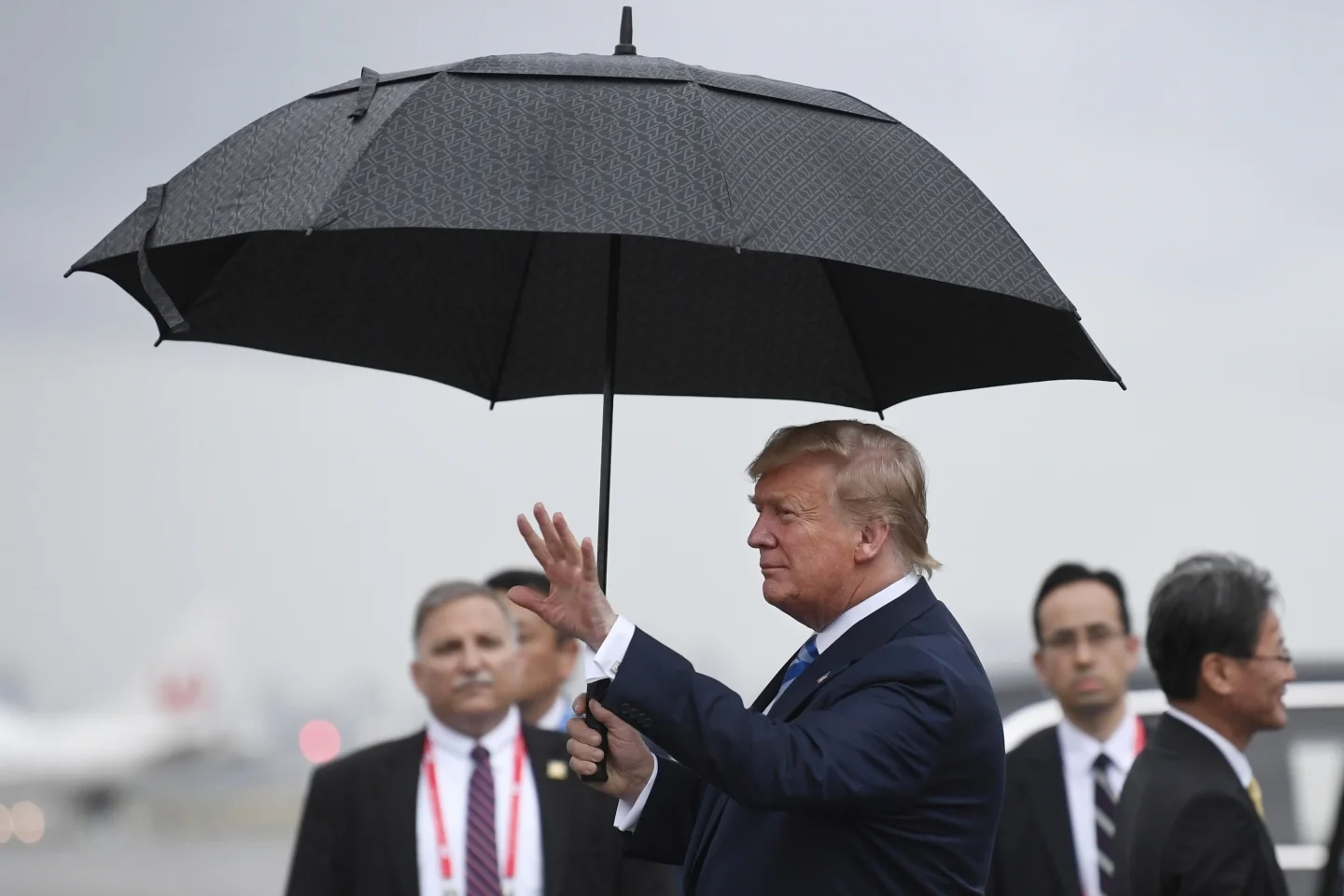
On June 29, at the G20 summit in Osaka, Japan, the leaders of China and the United States held a highly anticipated meeting that lasted about 80 minutes.
The two sides had in-depth exchanges on current trade frictions and other topics of concern between China and the United States.
After the meeting, Trump also stated that the talks had made due progress, that negotiations with China would continue, and that we are back on track.
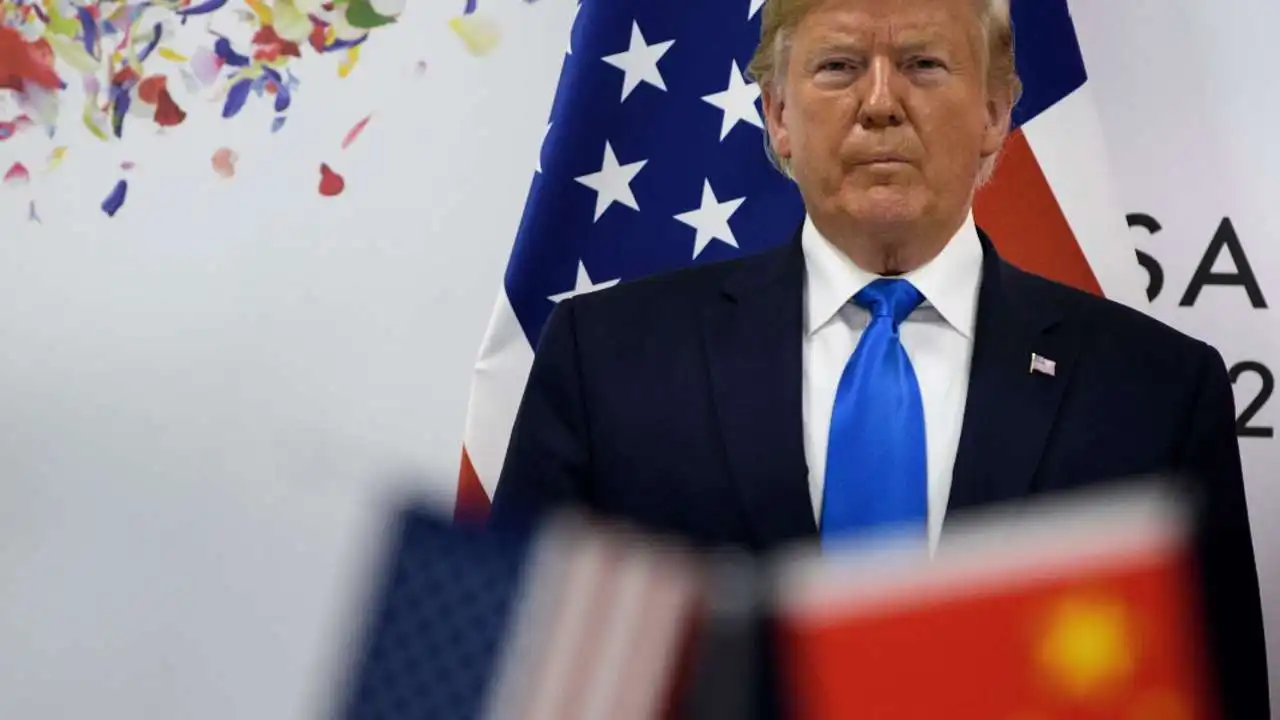
On the closely watched issue of studying in the U.S., Trump also reversed his previous stance, saying that China has many excellent students and that they have always been welcome to study in the United States.
Trump also stressed that he does not want Chinese students to face more restrictions in attending U.S. schools, and that he wants Chinese students to be treated 'just like everyone else.'
Previous Recap
Many Chinese students and scholars likely breathed a slight sigh of relief upon hearing Trump’s remarks, especially given the recent spate of unfavorable news about studying in the U.S.
The Trump administration had previously targeted the best and brightest Chinese students and scholars in the U.S., scrutinizing researchers and restricting student visas.
In the past few months, Chinese students and scholars, as well as other ethnic Chinese, have found the academic and work environment in the U.S. increasingly unfriendly. On May 16, Emory University fired two Chinese-American professors.
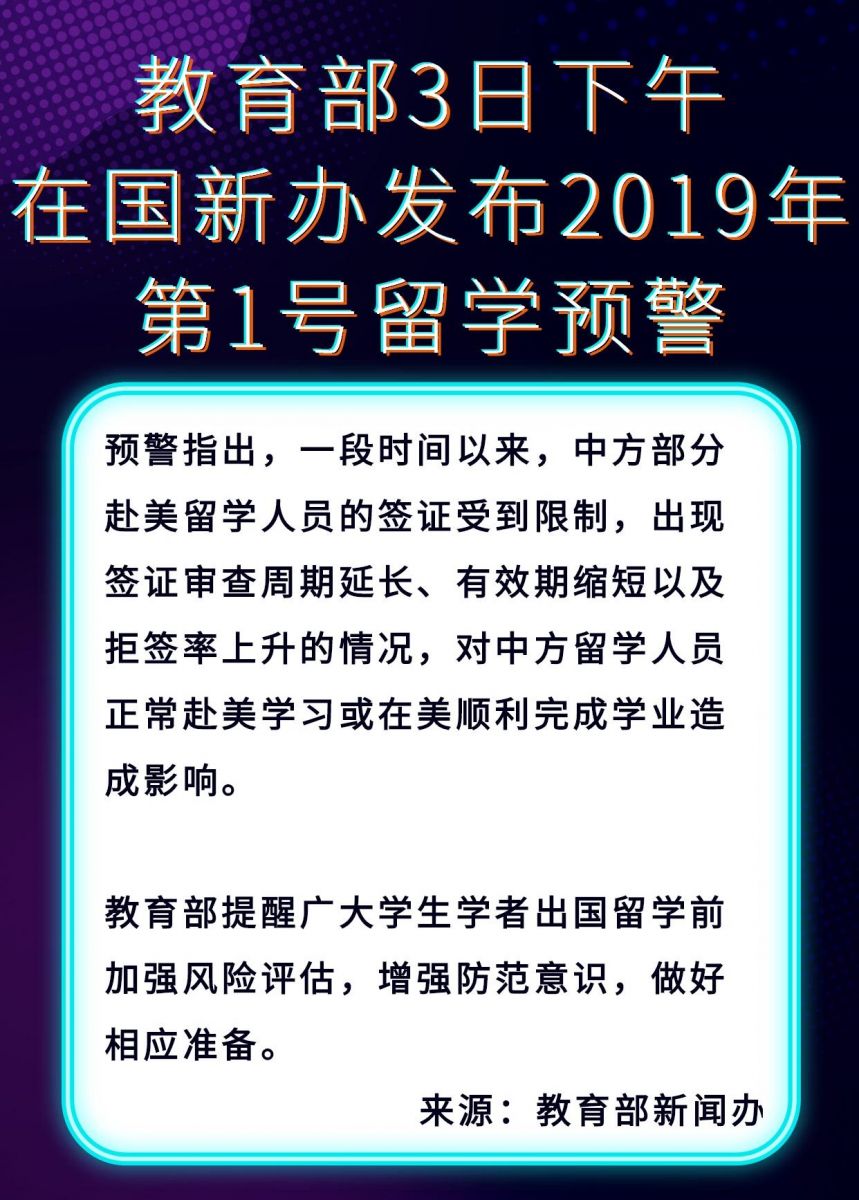
Due to a surge in visa denials, China’s Ministry of Education issued Study Abroad Alert No. 1 on June 3, warning about risks in studying in the U.S.
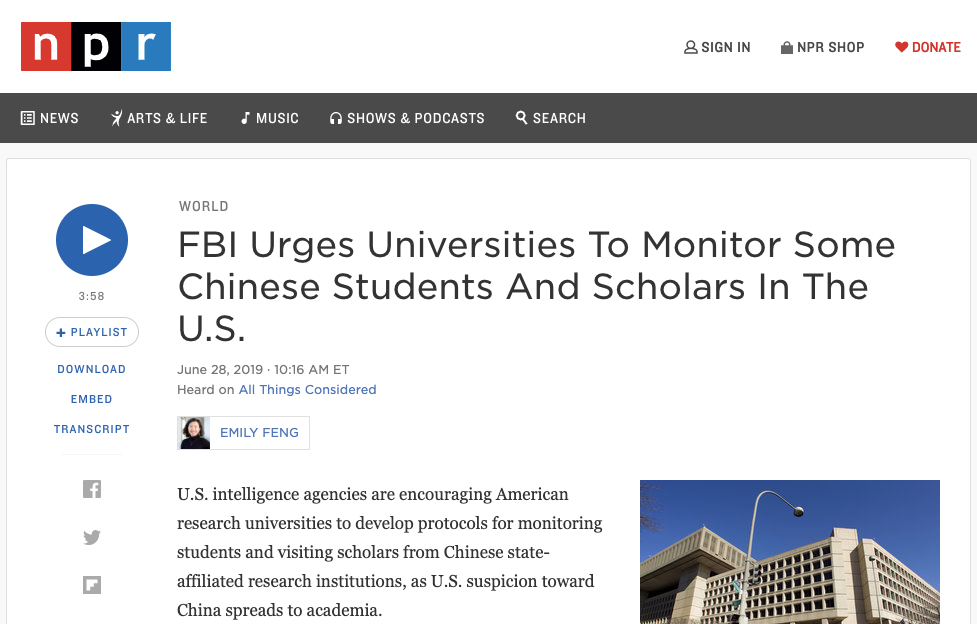
On the day before the China-U.S. meeting, NPR reported on June 28 that the FBI was holding discussions with several U.S. universities, asking them to help monitor Chinese students and scholars...
Stance of Top Universities and Related Institutions
Of course, throughout the tensions, top U.S. universities and related institutions have consistently maintained a welcoming and friendly attitude toward Chinese students.
The president of Yale University issued an official invitation, making a firm commitment to international students and scholars.
Presidents from Harvard, Stanford, UC Berkeley, Rice, and other top U.S. universities have also expressed welcome and support for international students and scholars, including those from China.
.jpeg)
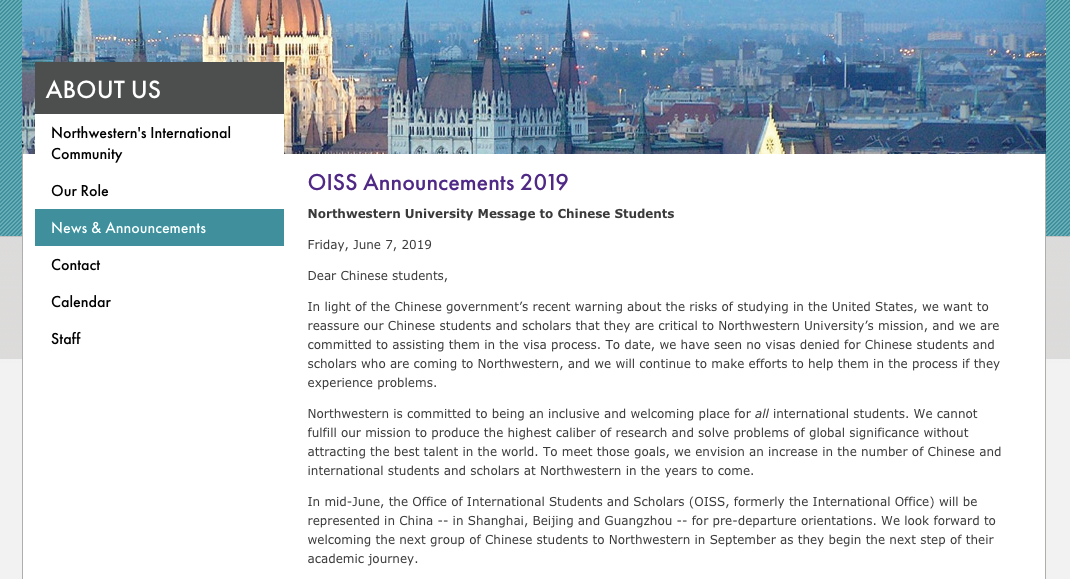
On June 7, Northwestern University also sent a notice to Chinese students, stating: 'You are an integral part of Northwestern’s mission, and we have a responsibility to help you obtain visas.'
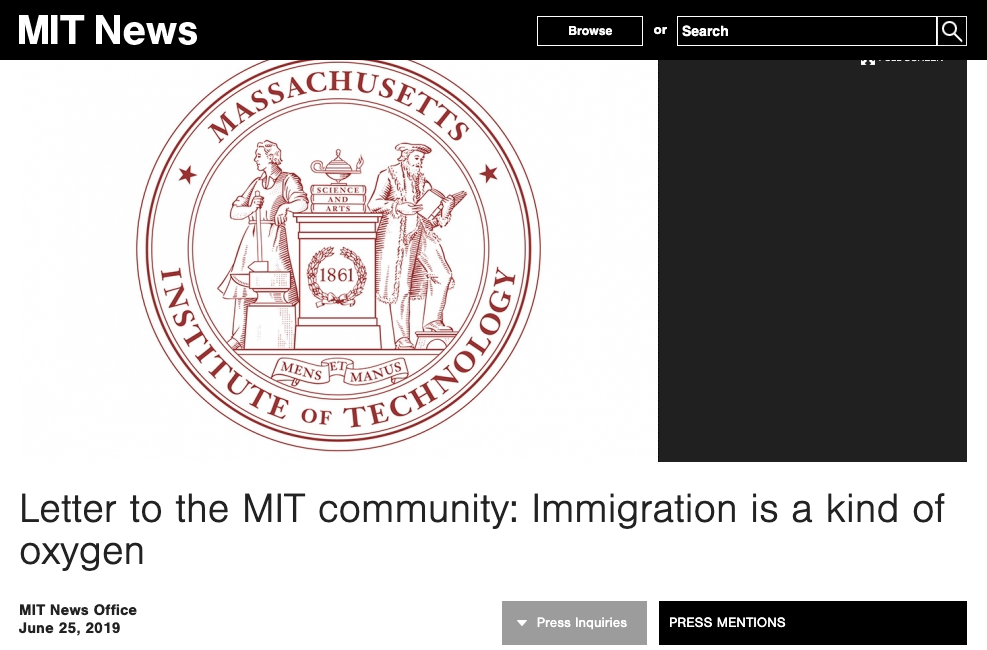
Last Tuesday, in an open letter to the MIT community, President L. Rafael Reif also voiced support for Chinese and Chinese-American students and colleagues.
He said, 'In a country like ours, immigration is a kind of oxygen, and each fresh infusion re-energizes the whole body.'
As for official bodies, the U.S. Embassy in China spoke out in May, saying: 'Studying abroad is an investment in your future. We welcome Chinese students to experience the unique value of U.S. higher education.'
.jpeg)
Recently, some students applying for U.S. visas have also received a blue slip from certain U.S. visa offices, welcoming them to study in the U.S.
.jpeg)
The talks between China and the U.S. at the G20 summit are believed to be a new start for Chinese students and scholars.
Of course, Trump’s tendency to change his mind is nothing new. How long this public statement lasts and how credible it proves to be will have to be verified over time.