It's that time of year again—back-to-school season! For students starting in fall 2019, have you found a place to live for the upcoming year? If you're new to the U.S. and unfamiliar with renting, don't worry—just reading this comprehensive renting guide from CheersYou(清柚教育) is enough!
Dormitory
Many students' first instinct when it comes to housing may be to live in on-campus dorms. The advantages of dorms are convenience for classes and relative safety, but they often have limited availability, are expensive, rarely offer single rooms, and most importantly, many universities close their dorms during holidays, which means students staying on campus during breaks must find off-campus housing. You can search for "dorm" or "housing" on your school's official website to check specific dorm policies.
The annual cost of living on campus for a new student at USC ranges from approximately $16,000 to $18,000.
Rental Types and Layouts
Rental housing in the U.S. is generally divided into single-family houses and apartments. Single-family houses typically have 2-3 floors, more rooms, and a larger area, requiring co-living with the landlord or others. They usually come fully furnished with independent garages or parking spaces. Since single-family houses are usually owned by individuals, leases are typically signed directly with the landlord, and the average room price is usually cheaper than apartments.
Apartments are similar to domestic serviced apartments, with complete facilities usually including access control, parking, and a unified mailbox. Most luxury apartments also offer 24-hour doorman service, gyms, entertainment rooms, and other amenities.
Common apartment layouts include:
Studio An integrated unit combining the bedroom, living room, and kitchen (sometimes semi-open), with a private bathroom, suitable for singles or couples.
1B1B (one bedroom one bathroom) One bedroom, one bathroom, one living room. The first B stands for bedroom, the second B for bathroom. It offers more privacy and separates the kitchen from the bedroom, making it more suitable for students who cook often than a studio. 1B1B is more expensive than a studio and is generally suitable for singles or couples. When shared by two people, the living room is usually partitioned off for co-living.
2B1.5B, 2B2B, 3B2B, etc. These refer to layouts with two or more bedrooms and bathrooms. A 0.5B means a half bath (toilet only, no shower). In most cases, the master bedroom has its own bathroom, so the second bedroom and living room share a bathroom, making the master bedroom typically the most expensive.
Rental Channels
Through seniors and classmates This is the most direct and reliable rental channel. As someone with rental experience from your own school, they can offer useful advice from a student's perspective and provide more detailed insights into the pros and cons of listings.
Rental websites There are many rental websites like Zillow in the U.S., which offer a broader range of listings, but their target is the entire U.S. society, making it difficult to gauge roommates, etc. Therefore, it is not recommended for first-time U.S. students to rent this way, but that doesn't preclude using the information on these sites as a reference when searching for housing.
Forums and social media, etc. On social media platforms like WeChat groups and forums, many students post looking for roommates. Finding a roommate through these channels not only saves a lot of effort in house-hunting but also allows you to get to know your roommate in advance.
Rental agents In areas with a larger Chinese population, many rental agents are active. The advantage of agents is that they can provide a wider range of listings and let you compare multiple options at once.
Considerations
Safety
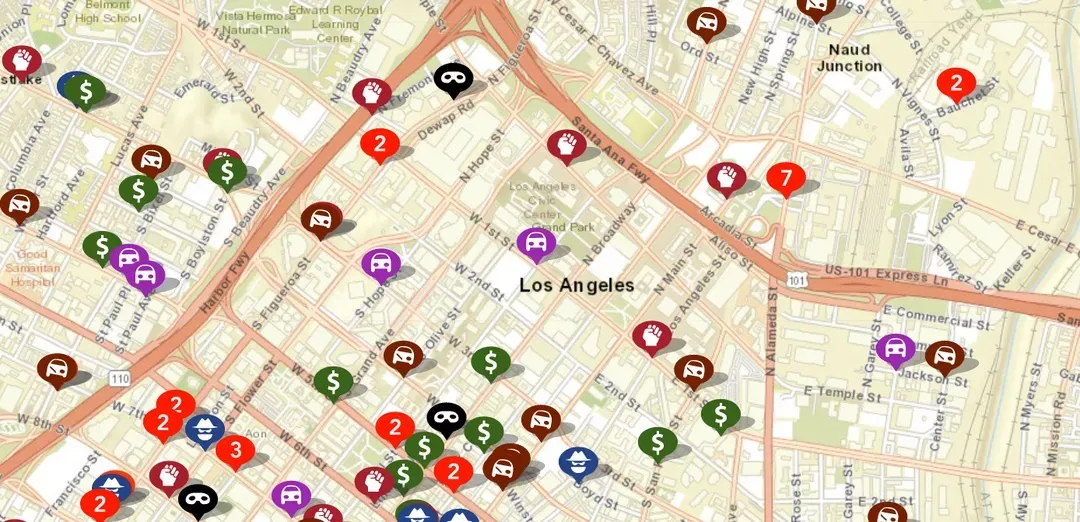
Before signing a lease, it's essential to first understand the safety situation of the community. You can search for local crime rates and crime maps or directly ask seniors who have lived there to learn about the neighborhood's safety.
Recent crime data for an area in Los Angeles:
Surrounding amenities
When viewing a property, pay attention to the living facilities around the community, such as supermarkets, convenience stores, hospitals, pharmacies, restaurants, banks, etc., and whether transportation and commuting are convenient. This information can be easily obtained through Google Maps.
Lease Signing
When everything is finalized and you're ready to sign the lease, there are many things to note:
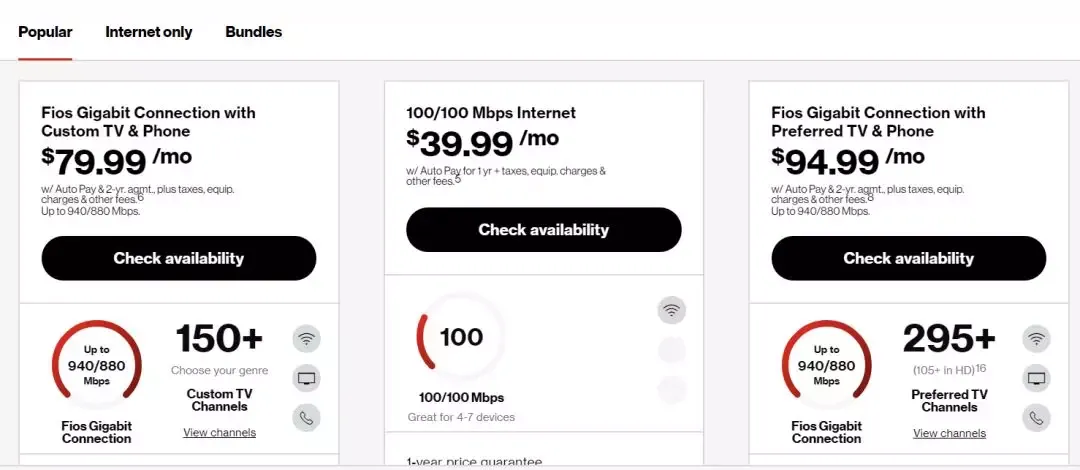
1. Whether rent includes water, electricity, natural gas, heating, internet, etc. Usually this portion isn't too high, but in some northern regions, using electric heaters in winter can cause a spike in electricity usage, so it's important to clarify this in the lease.
A package from U.S. internet provider Verizon:
2. Is the unit fully-furnished or unfurnished? Generally, fully-furnished units come with a full set of furniture like beds, tables, and chairs, while unfurnished units typically only have essential appliances like stoves, ovens, and refrigerators. Furniture must be purchased yourself, and when moving out, all furniture that wasn't originally there must be removed.
3. Deposit amount and refund conditions, etc. Most properties require one to two months' deposit, and both parties must conduct an in-person inspection at move-in and move-out to confirm wear and tear before the deposit is finally returned.
In short, renting is almost a compulsory course for every international student. Through this process, you will gradually learn how to get along with roommates, how to inspect properties and sign leases, as well as life skills like assembling furniture and moving.