MBA and MPA: Definitions
MBA stands for Master of Business Administration.
In terms of content, MBA programs typically cover accounting, finance, marketing, corporate management, statistical analysis, etc., aiming to help students better understand business and management.
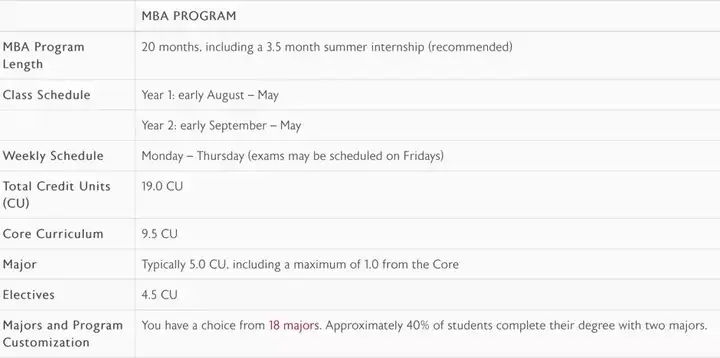
Generally, for full-time students, an MBA program takes two years. However, some MBA programs offer accelerated paths, with completion possible in as little as 9 months.
Stanford's MBA program takes two years:

MBA programs have specialized tracks and concentrations in accounting, finance, and marketing. For example, students may apply for a specialization such as an MBA in Accounting.
MPA stands for Master of Public Administration.
MPA programs are designed to train senior public service talents for public sectors, especially government agencies, while also cultivating senior talents with excellent analytical and management skills for the private sector, focusing on management, administration, public policy, and law.
The focus of MPA programs is on public management, policy formulation, policy implementation, etc., and they cultivate students' ability to solve specific or emergency problems.

Similarities Between MBA and MPA
MBA and MPA share the following similarities:
· Both are graduate programs designed for students seeking senior or management positions;
· Both can help students cultivate professionalism, expand knowledge and skills, and promote career development;
· Both have cultivated a large number of talents for private enterprises, government departments, and nonprofit organizations.
· Both generally require some relevant work or internship experience.
Differences Between MBA and MPA
Academic Focus
MBA programs offer more systematic and in-depth management training in the business field. Students place greater emphasis on business knowledge and skills such as economics, finance, and marketing, equipping them with the ability to help business organizations generate profit.
MBA programs primarily aim to help achieve:
· Understand market trends
· Predict growth areas
· Increase profitability
· Drive reform and innovation
MPA programs teach students how to assume management and administrative positions in public institutions and nonprofit organizations, which are all dedicated to better serving society.
MPA programs primarily aim to help achieve:
· Formulate and implement effective public policies
· Manage financial and human resources to achieve policy objectives
· Exercise accountability and oversight based on policy implementation

Career Directions
Both MBA and MPA allow students to choose specialized fields for study and research, helping students refine their expertise. However, their specific career directions differ.
Specific career directions for MBA include:
· Corporate finance
· Corporate innovation
· Data analysis and decision-making
· Project management
· Investment management
· Marketing
Specific career directions for MPA include:
· Urban planning
· Human resources management
· Healthcare policy
· Public policy
· International relations
· Community development
· Homeland security

UPenn MBA and MPA Programs
Below, CheersYou(清柚教育) uses the MBA and MPA programs at the University of Pennsylvania as examples to demonstrate the similarities and differences between the two degrees.
UPenn MBA Program
The Wharton School's MBA program lasts two years. Wharton is one of the most renowned business schools in the United States, known for its innovative teaching methods and extensive curriculum resources.

Application Deadlines
UPenn's MBA application has three rounds. Each round includes three key dates: the application deadline, interview invitation date, and final decision date.

Basic Application Requirements
· Two essays with different focuses
· Resume
· Transcript
· Two letters of recommendation
· GRE or GMAT scores
· International students must submit TOEFL or PTE scores
· Interview
Curriculum
Wharton's MBA program features a unique curriculum structure that balances rigor and flexibility. The comprehensive core courses cultivate crucial leadership, communication, and analytical skills.
UPenn MPA Program
The UPenn MPA program provides students with solid professional knowledge, ample practical experience, and valuable interpersonal connections within one year.

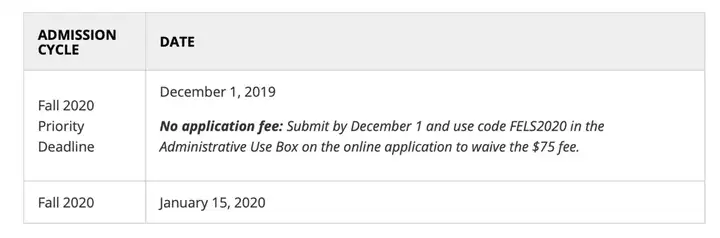
Application Deadlines
Basic Application Requirements
· Personal Statement and Essays
· Resume
· Transcript
· Two letters of recommendation
· Language test scores: TOEFL 100+ / IELTS 7+
· International students must submit transcripts certified by CertiFile or WES
· GRE or LSAT
· Interview
Curriculum
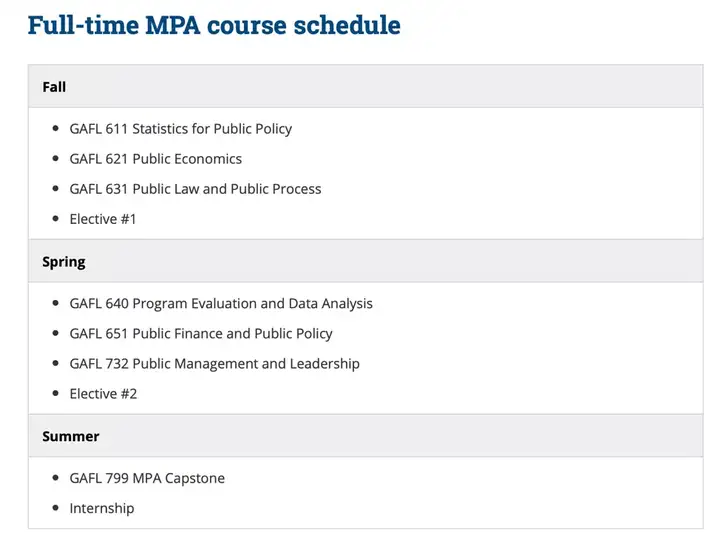
Full-time MPA students must complete nine approved courses and a summer internship to earn the degree.
In the fall and spring semesters, students select their elective courses after consulting with their advisor. In the summer, they gain experience through internships in relevant nonprofit or government organizations.
UPenn IMPA Program
Additionally, UPenn recently launched the IMPA (International Master of Public Administration) program, offering students more options.
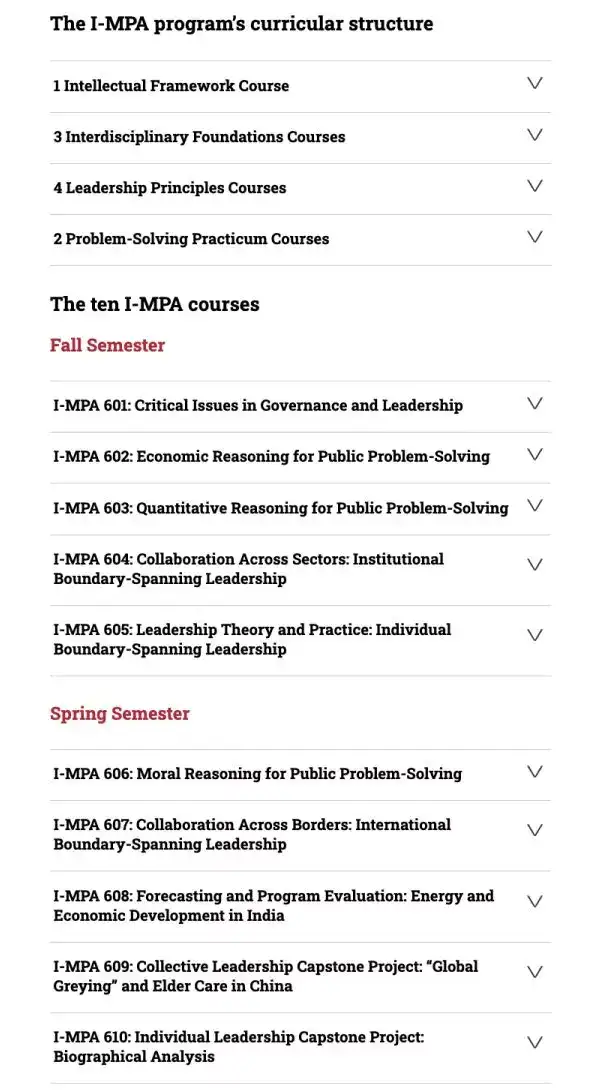
The IMPA program is a skills-based, future-oriented leadership program. Over one year, 10 courses are taught, guided, and inspired by world-class scholars and leaders from government and nonprofit organizations.

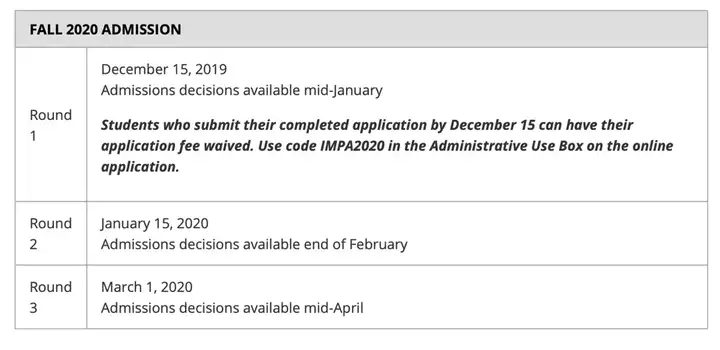
Application Deadlines
Application Requirements
· Application essays
· Resume
· Transcript
· Two letters of recommendation
· Transcript certified by WES or CertiFile
· Submit one of GRE, TOEFL, IELTS, GMAT, or LSAT scores
Curriculum
There is no superiority between an MBA and an MPA – only suitability.
If you are driven by profit growth and fascinated by corporate finance, operations, and marketing, then an MBA degree is your ticket to achieving business goals.
If you have a sense of mission and the determination to change the world, then an MPA degree can provide you with the knowledge and ability to turn your passionate idealism into reality.