Vault, known as the job market barometer in the finance world,
is at it again!
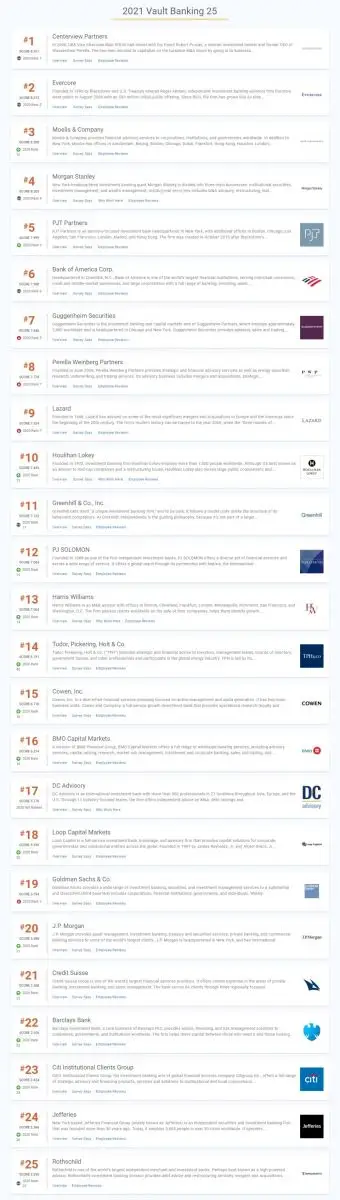
Seven of the nine bulge bracket banks have fallen out of the top 10.
Only six made it into the 2021 Vault Banking 25.
Wait a minute,
let me look for the big daddy of investment banks...
What?! Goldman Sachs actually fell to 19th place?

You know, Goldman Sachs has held onto the top spot for the past few years.
And this year it tumbled off its pedestal...
.png)
Wait, is this a bogus ranking?
Without further ado, let's look at the ranking criteria.
-
40% Reputation
-
20% Corporate Culture
-
10% Compensation, 10% Business Outlook, 10% Overall Satisfaction
-
5% Work-Life Balance, 5% Training
So, for a company to secure a spot on this list, it not only needs to be prestigious, have a good platform, and comprehensive training, but also offer high pay, early clock-out, and not miss out on food or fun...
Companies wail "It's so hard for me!"
Workers reply "Not bad at all."
So this Vault ranking, compiled from weighted scores by investment banking insiders, truly and profoundly reflects the issues job seekers care about most when evaluating a firm, and has become an authoritative platform for companies to compete against each other.
After all, in this day and age, talent is hard to find!
What Are the Bulge Bracket Banks?
The bulge bracket banks typically refer to:
-
Goldman Sachs
-
Morgan Stanley
-
JPMorgan Chase
-
UBS
-
Deutsche Bank
-
Barclays Capital
-
Bank of America Merrill Lynch
-
Credit Suisse
-
Citigroup

What makes a big bank big is the volume of securities it issues.

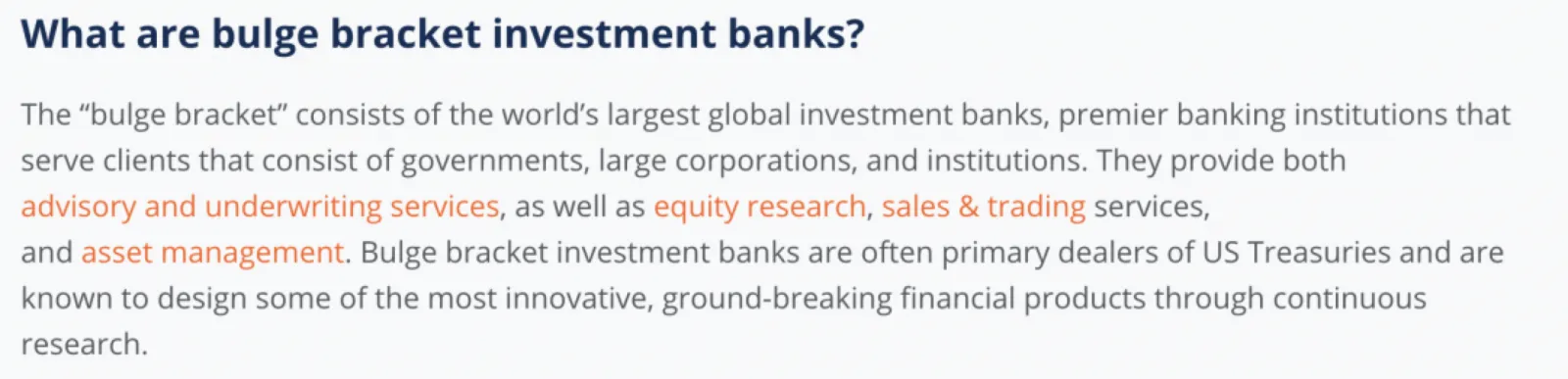
Beyond that, bulge bracket banks have extensive businesses; governments, large corporations, and institutions are their clients, and they are usually primary dealers of U.S. Treasury bonds.
Their business lines are diverse, including: debt and equity issuance, mergers and acquisitions, advisory, asset management, and more.
So, big size and broad services
≠
high ranking in the 2021 Vault Banking 25
These two evaluation systems have completely different criteria. Now you get it!
Elite Boutiques Crowned Top Three
So, what's the background of the top three?
How can they compete so fiercely with the big banks without being overshadowed?
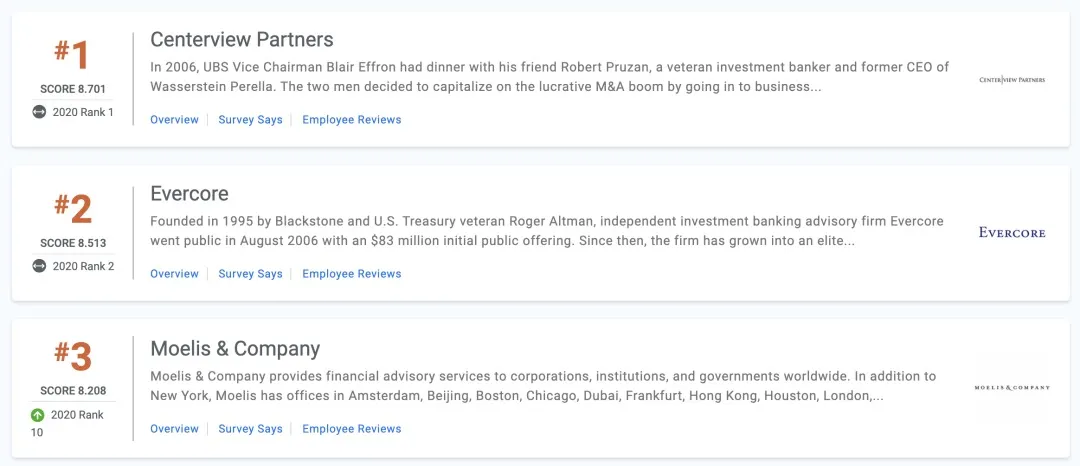
Centerview Partners, Evercore, and Moelis & Company are all elite boutiques that have consistently ranked in the top 10 in recent years.
Elite Boutique
Elite boutiques refer to investment banks that focus on a specific line of business. Compared to large international banks, their advantage lies in their higher degree of independence and specialization.
A picture to understand the difference between elite boutiques and large investment banks:
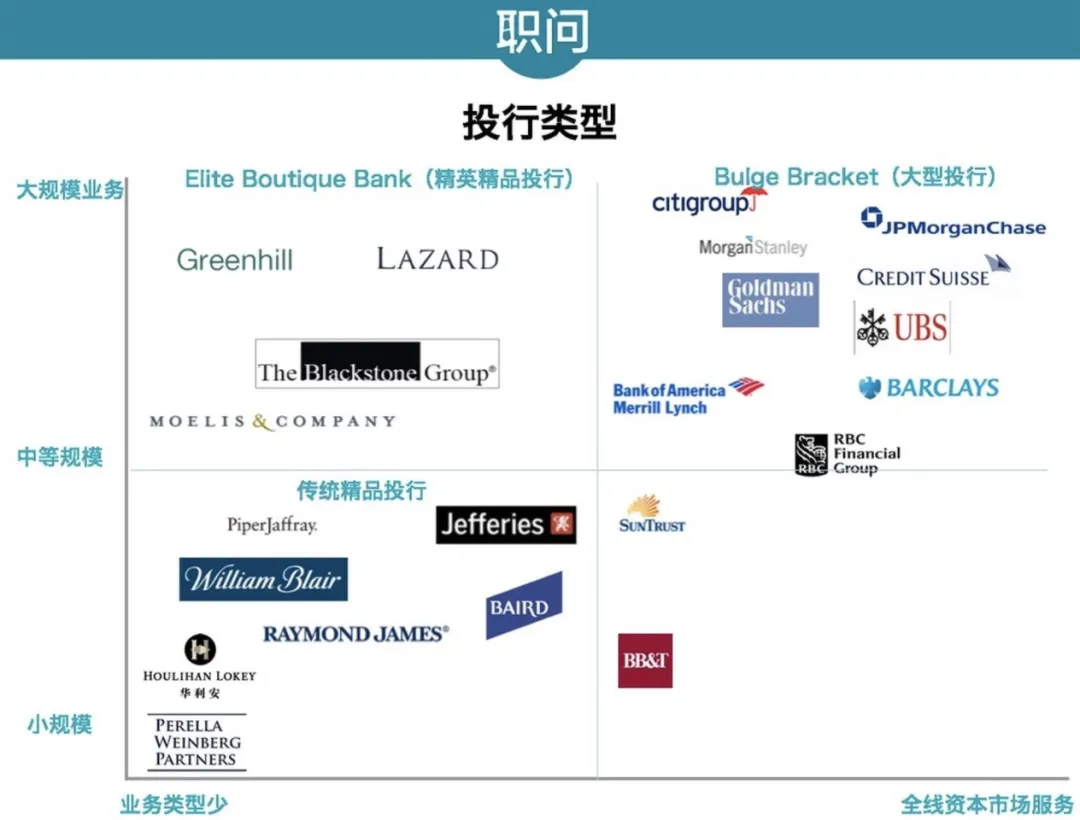
This type of bank is currently the fastest-growing: small in size, highly specialized, with large-scale business, focusing on one area and doing it to the extreme.
Centerview Partners: Wall Street's Most Mysterious Aristocratic Bank
First in 2021, first in 2020, third in 2019
These results can only be described as glorious.
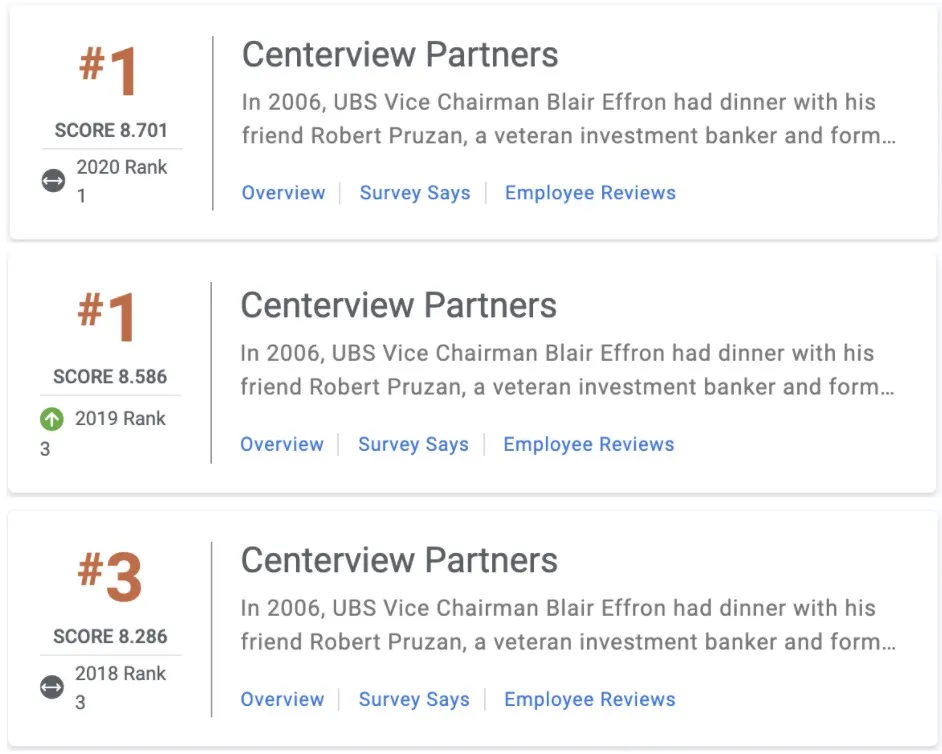
This "small" bank does only two kinds of business: M&A advisory and restructuring, mainly addressing strategic, financial, and operational issues.
Although small in size, it makes a killing.
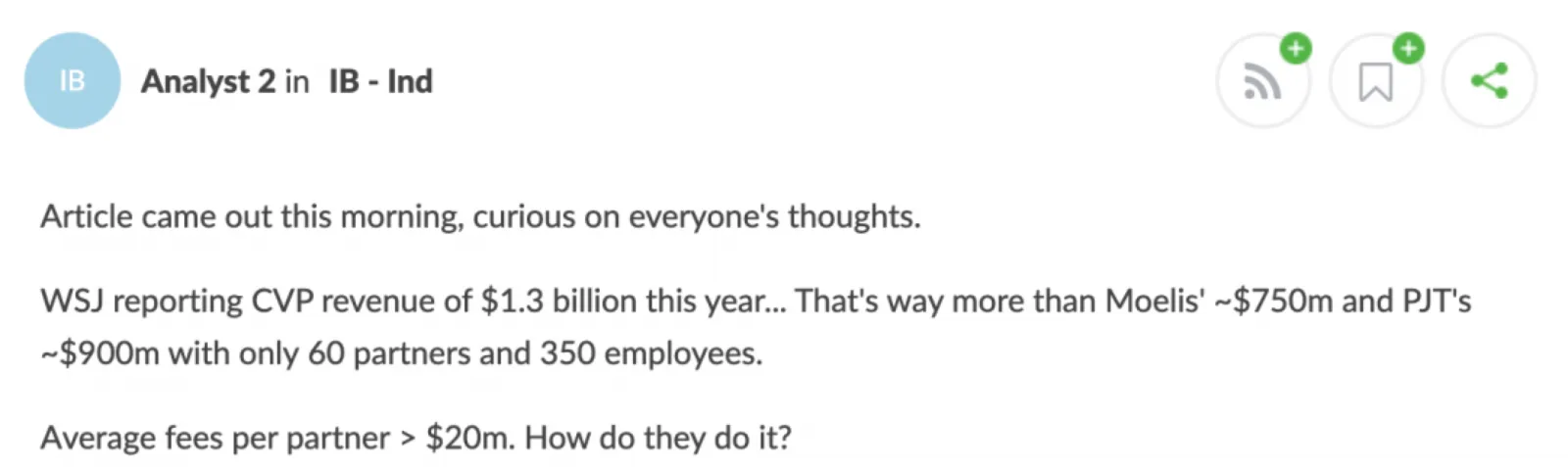
In late 2020, WSJ reported CVP raked in up to $1.3 billion in revenue, far exceeding third-ranked Moelis and fifth-ranked PJT. Even more jaw-dropping: with only 60 partners and 350 employees, that means average partner compensation of $200 million!
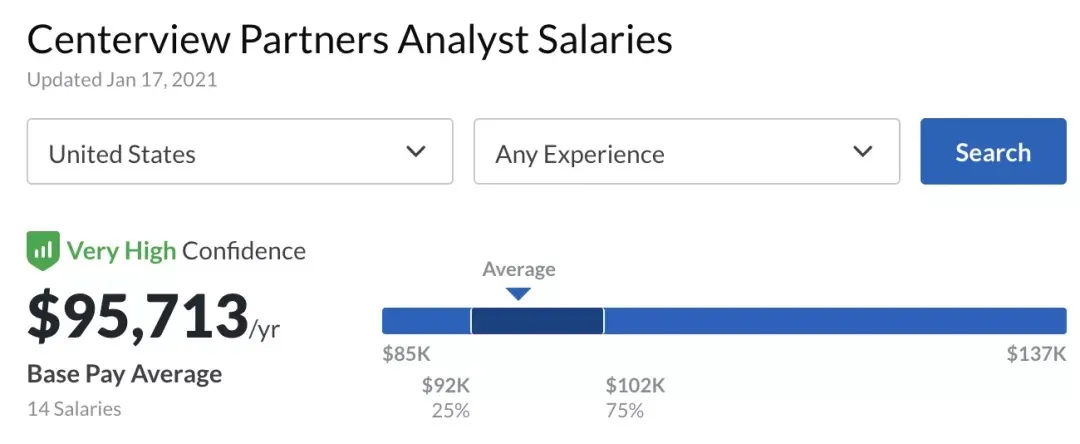
Even the most junior staff at CVP have average base salaries soaring to $100k!
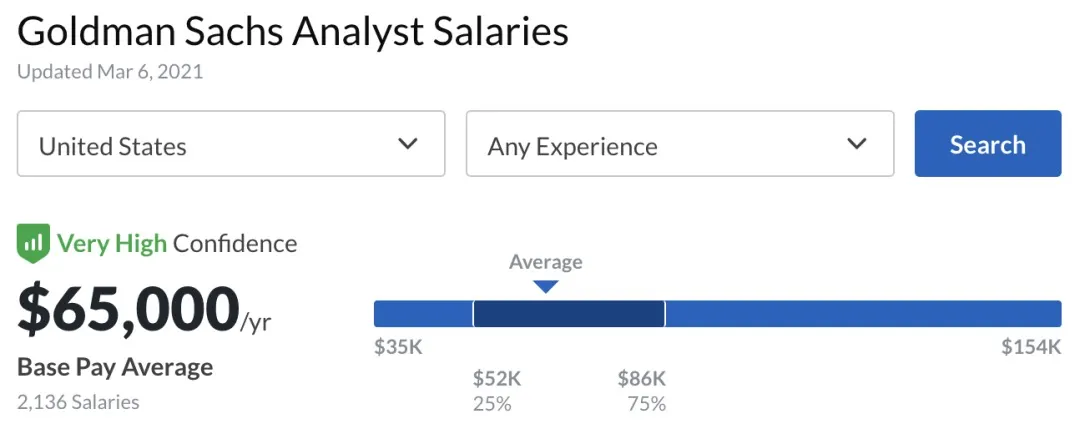
Meanwhile, the big daddy Goldman Sachs, its numbers get worse each year. The latest updated average salary for 2021 is only $65k...
So, what schools do such an outstanding CVP favor?
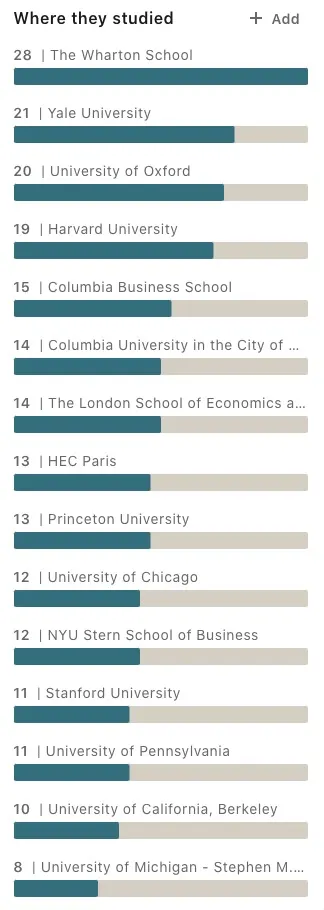
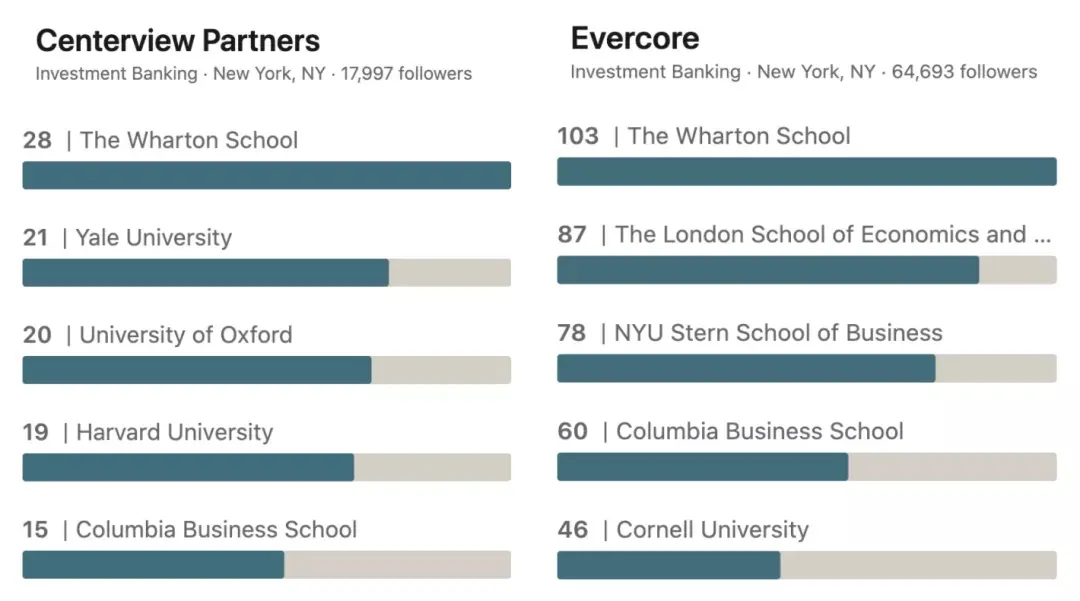
Wharton is undoubtedly the most favored business school, followed closely by Yale, and then other world-renowned institutions like Oxford, Harvard, and Columbia Business School.
Evercore: The Eternal Runner-Up, Best Employer
Looking at its consistent second-place streak, Evercore gives off the vibe of a recluse who shuns the world.
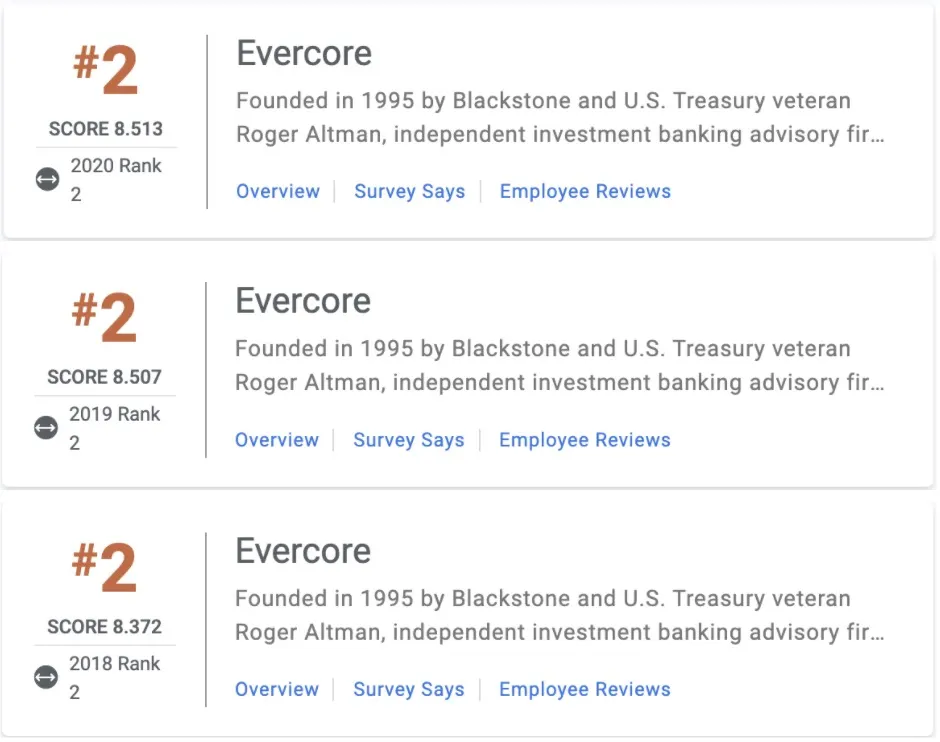
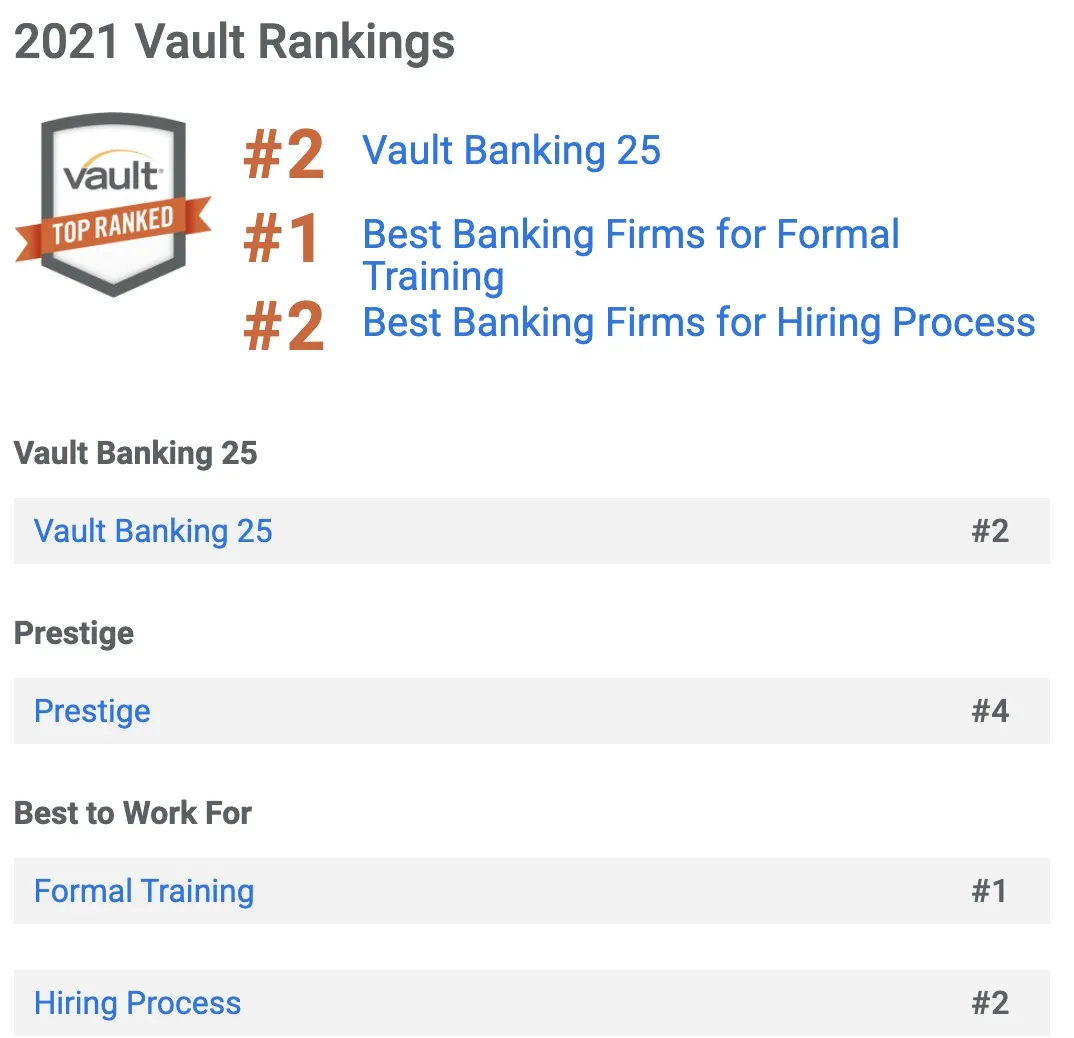
Evercore is best known for its employer reputation. As a growing investment bank, its compensation, culture, and development platform are all excellent!
Although its name isn't as loud as the big banks, its professional training is top-notch. It shows how many talented newcomers want to join Evercore to learn and establish themselves in the investment banking world.
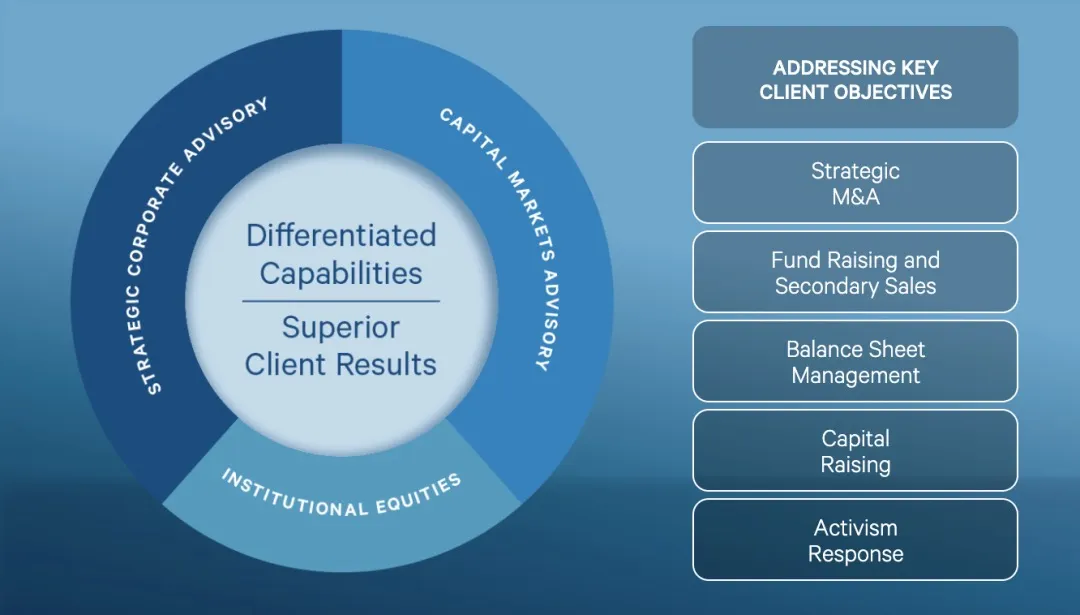
Evercore focuses on M&A, strategic advisory, restructuring, and capital structure, also involved in public offerings and private placements. Total revenue in 2021 reached $900 million!
Pfizer is no stranger to us. The $65 billion acquisition of Wyeth by Pfizer in 2009 was handled by Evercore.
It seems Evercore played a part in today's vaccines.
Which schools produce the sought-after top talent that scrambles to get into Evercore?
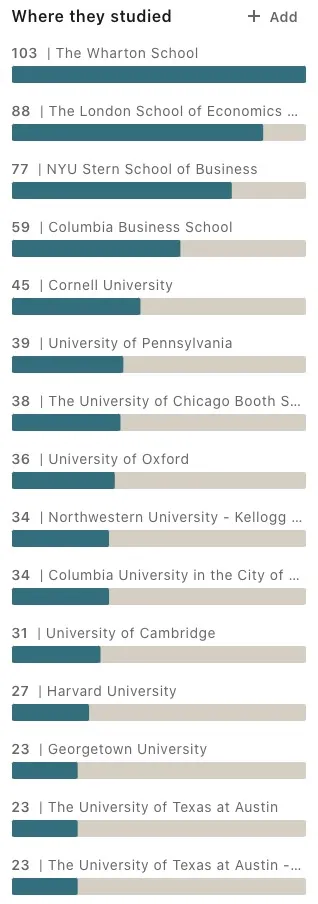
Wharton School rightfully takes the crown, followed by the London School of Economics in the UK. Then there's NYU Stern, Columbia Business School, Cornell, Penn, Oxford, and others.
Moelis & Company: Wall Street's Most Mysterious Aristocratic Bank
Moelis has been in the top 10 in recent years, with huge potential.
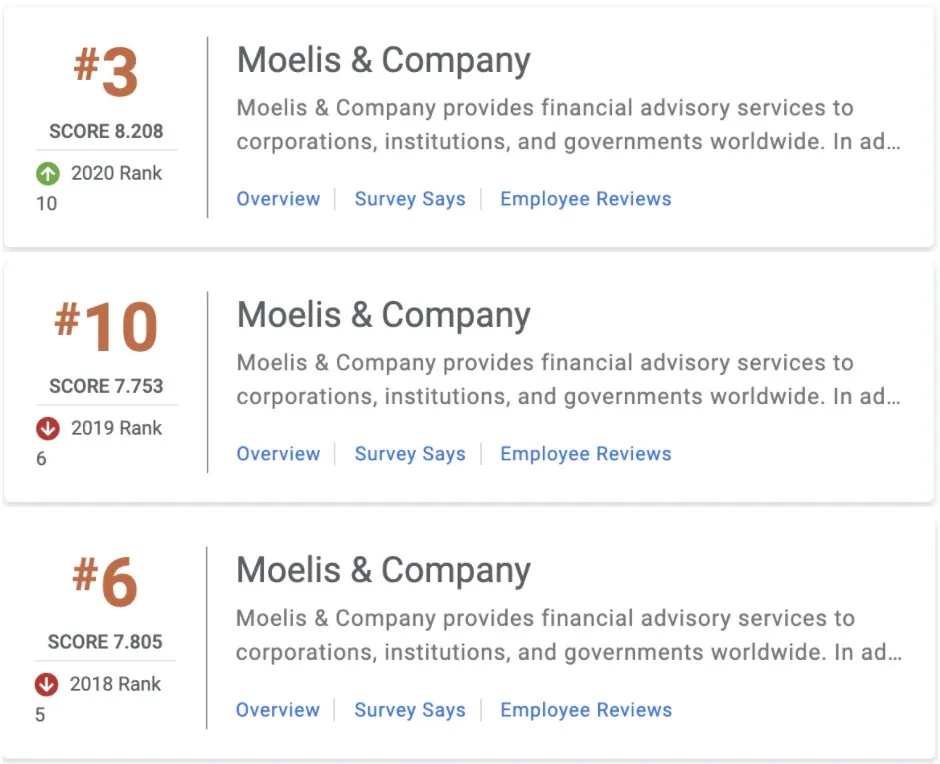
Moelis went public in 2014, and in 2019 full-year revenue broke through the $700 million mark. We can see quarterly revenue from Q1 2013 to Q2 2020 shows a sustained upward trend.

With such strong fundamentals, it's no wonder Moelis has beaten out many competitors to take the bronze medal among top elite boutiques.
Here are Moelis' favorite schools.
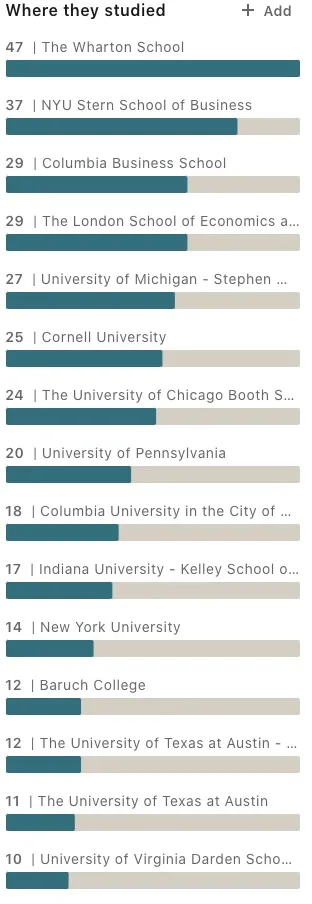
Besides the familiar Wharton, NYU Stern, Columbia Business School, LSE, and Cornell, schools like the University of Michigan Ross School of Business, Chicago Booth, Indiana Kelley School of Business, and the lesser-known Baruch College in New York are also favored by elite investment banks.
If you want to earn a million-dollar annual salary and reach the pinnacle of life in the future, you need to plan years in advance. CheersYou(清柚教育) has carefully prepared a million-dollar salary guide for confused students!
What Kind of Person Do I Need to Be to Get Into Investment Banking?
The hard skills essential for investment banking are:
-
Valuation Modeling: It sounds very high-level, but essentially it's building models in Excel to forecast the future operating and financial performance of a target company, thereby assessing its value.
-
Financial Analysis: Being able to read financial statements, grasp key points, understand data meanings, and master relevant Excel formulas.
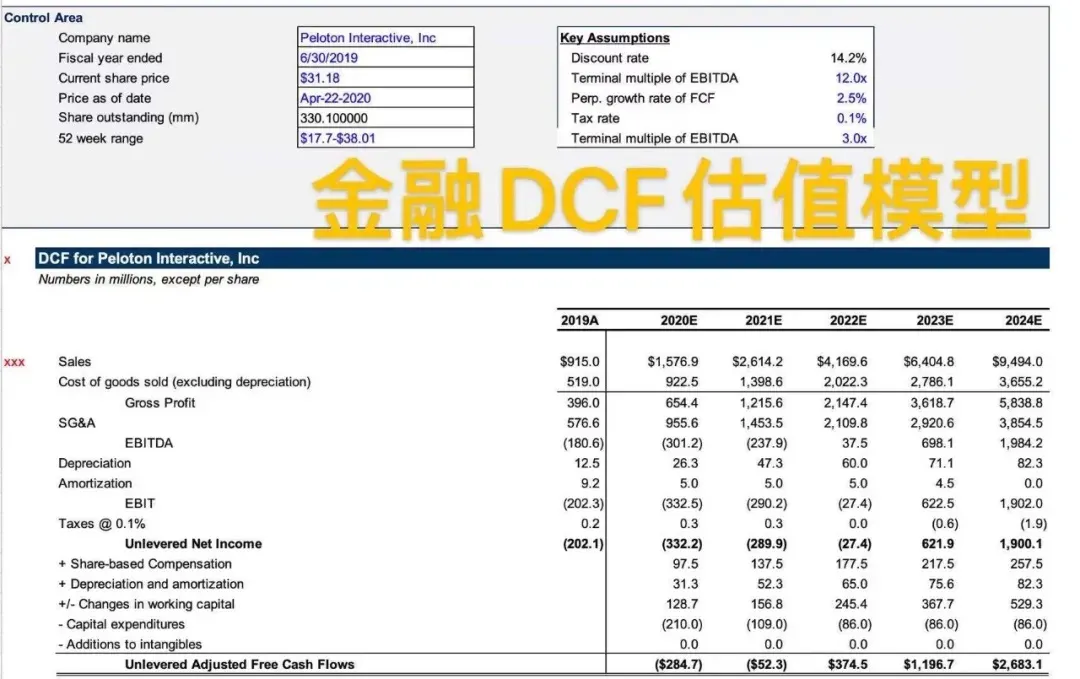
If hard skills can be crammed and mastered in a short time, educational background and internship experience require planning years in advance:
-
At least obtain a graduate degree from a prestigious university.
-
Major in accounting, economics, finance, or law.
-
Have 2-3 high-quality internship experiences.
-
Understand and be familiar with macroeconomics and capital markets.
-
Relevant finance certifications are a plus, such as CFA, CPA.
Target Schools for Top Investment Banks
As you must have noticed when we introduced the top 3 banks, employees at major investment banks come from just a handful of schools. So why this trend?
How favored are target schools for investment banks?
In the eyes of investment bank recruiters, schools are also ranked into tiers: target schools, semi-target schools, and non-target schools. How are these categories defined?
Target school: The schools top companies prioritize when recruiting, with the highest chance of getting interviews. Companies set up specific recruitment processes, information channels, and campus events for these schools. Students can submit resumes through internal websites, companies allocate fixed spots, and alumni are widespread in investment banks.
Semi-target school: Fewer top companies recruit from these schools. Students need to be more proactive, network with alumni and social resources to get more interview opportunities.
Non-target school: No or very few top companies recruit from these schools. Students need to rely on external networking to possibly get noticed.
Major investment banks continuously conduct campus recruitment activities at target school programs, allocate fixed spots, and alumni are everywhere in banks, making networking effortless.
-
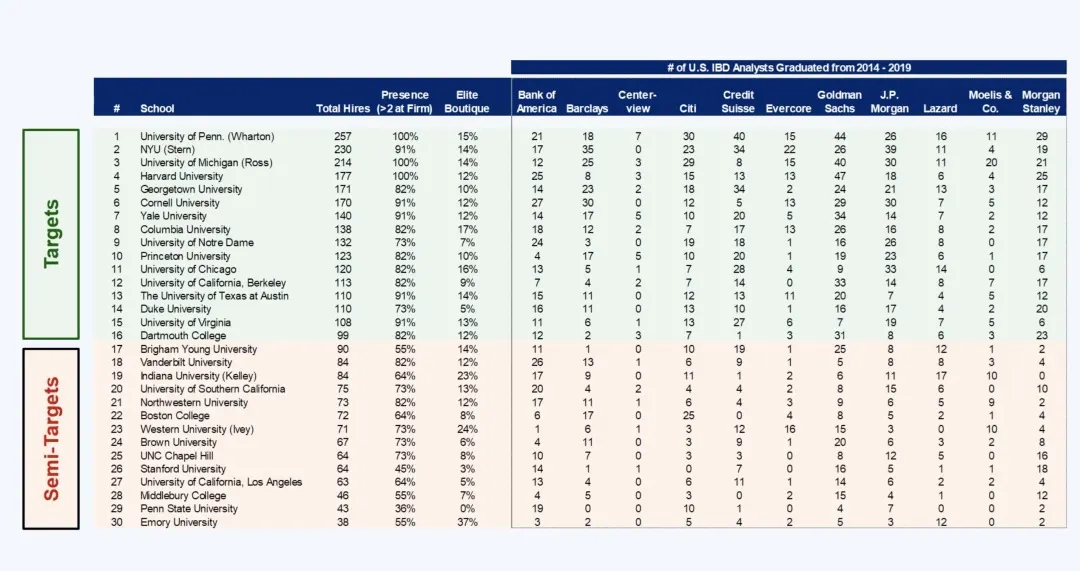
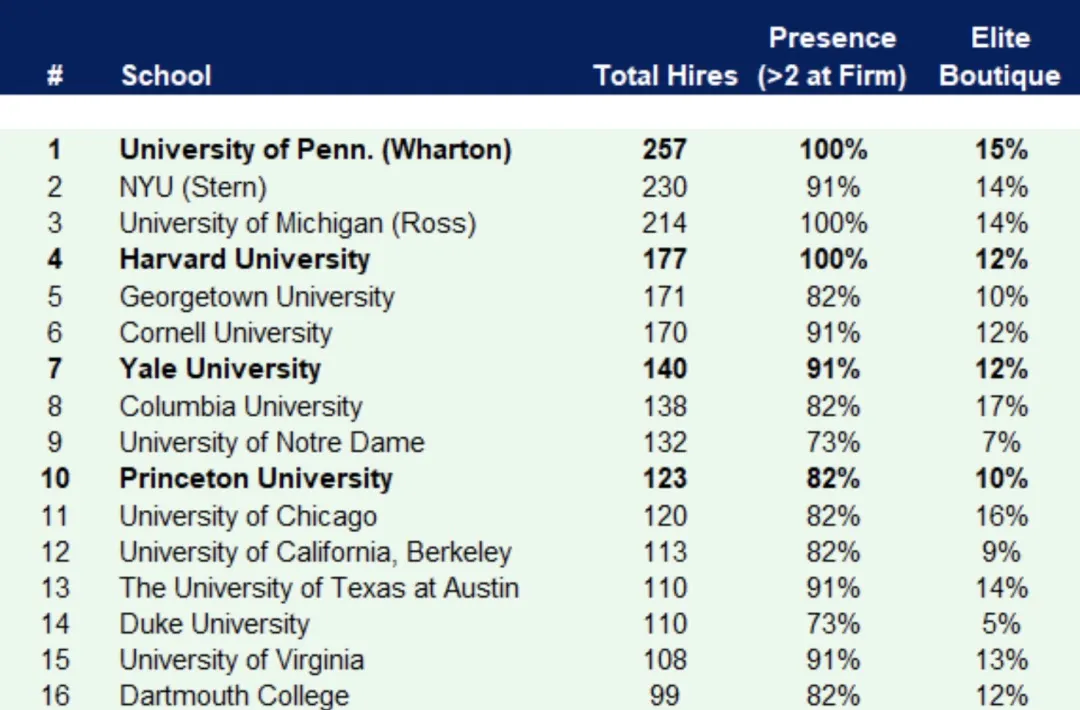
The top 16 schools account for 50% of investment banking offers.
-
The number of offers from the #1 ranked Wharton School at the University of Pennsylvania and #2 ranked NYU Stern School of Business is 3 to 5 times that of any semi-target school.
So, getting into a good school is the foundation for finding a quality job platform in the future!
In investment banking and finance, new graduates from Upenn, NYU, Harvard, and Umich have the highest representation.
Elite boutiques are even more famously "elite school-obsessed". Taking Centerview and Evercore as examples, most employees come from world-renowned universities like Wharton, Yale, Oxford, Harvard, Columbia, Cornell, and LSE.
What Are the Advantages of Target Schools?
1. Exclusive Online Application Channels
Top companies create exclusive application channels for target schools, holding info sessions and allowing students to apply via internal portals.
2. Higher Interview Chances
Top companies allocate interview slots, so target school students get higher response rates and interview chances.
3. More Networking Opportunities
Years of preference have built strong alumni networks, making it easier to get internal info, and interviewers may even be alumni!
Some investment banks, Big Four accounting firms, and consulting firms even organize pre-interview dinners the night before the first interview to get to know candidates in an informal setting and answer their questions.
Therefore, target schools indeed have many advantages. Students aspiring to enter investment banking, Big Four, or consulting firms should consider whether a school is a target school when applying or choosing offers, paving the way for the future.
What If You're Not from a Target School?
Are there no opportunities for those not from target schools?
Actually, not necessarily~
First, competition at target schools is fierce. Standing out among 1,000 top students to make the top 10 is extremely difficult. But an outstanding you, seizing opportunities at semi-target or non-target schools, can actually impress interviewers with something fresh.
So don't underestimate yourself. The most important thing is still your personal ability. You can improve yourself and increase your chances of entering investment banking or the Big Four through the following ways:
1. GPA Is the Knockout Door
Investment banks value academic performance. A high GPA shows a student's motivation and work ethic, so don't slack off and maintain a high GPA to cross the threshold.
2. Relevant Internship Experience Is Paramount
1-2 relevant internships greatly boost competitiveness in interviews. It's not about quantity but the relevance of the company or role to your target position.
3. CPA and CFA Certifications Are Great Pluses
CPA and CFA can train your mindset and are recommended for early preparation.
CPA is most relevant in finance and investment banking, especially for those in primary market work. CFA Level 1 is a great introductory textbook covering the entire finance industry knowledge, useful for practical work.
The road to top companies is not easy. GPA, networking, and internship background are all indispensable. As a non-target school student, you need to work even harder in all aspects to stand out from the crowd.
Success has no single standard, and getting into a top firm is not the only path.
Here, CheersYou(清柚教育) also reminds students that hard work and a good mindset are both essential. With diligent effort, the seeds of opportunity will surely bloom and bear fruit!