Due to the pandemic, unemployment in North America has surged over the past year. With the economic downturn, various scams have proliferated. Even students who have lived abroad for years can fall victim, let alone freshmen heading overseas for the first time this fall.
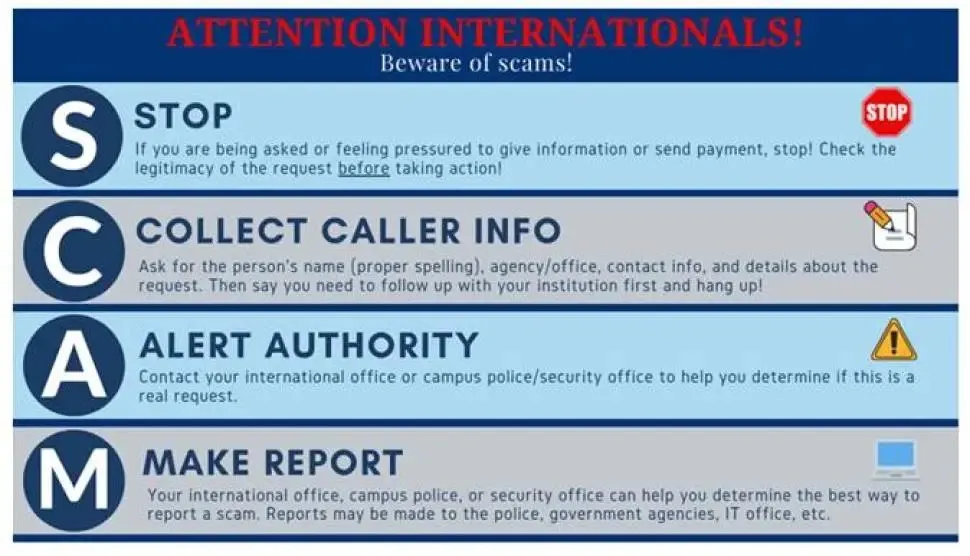
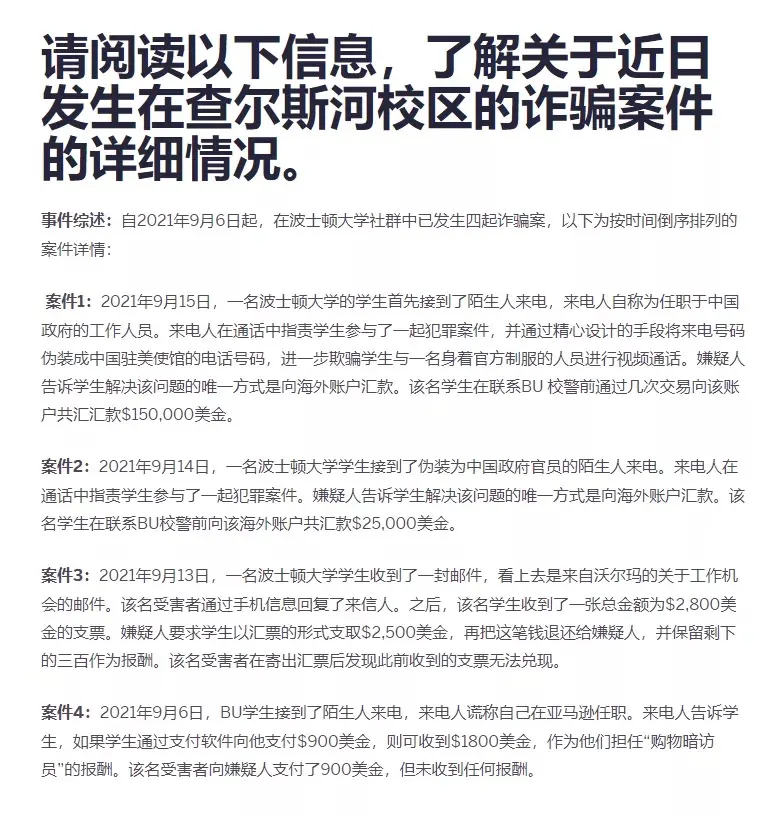
In early September, Boston University posted a Chinese-language warning on its website, alerting the campus community to four fraud cases primarily targeting Asian students, with total losses exceeding $175,000.
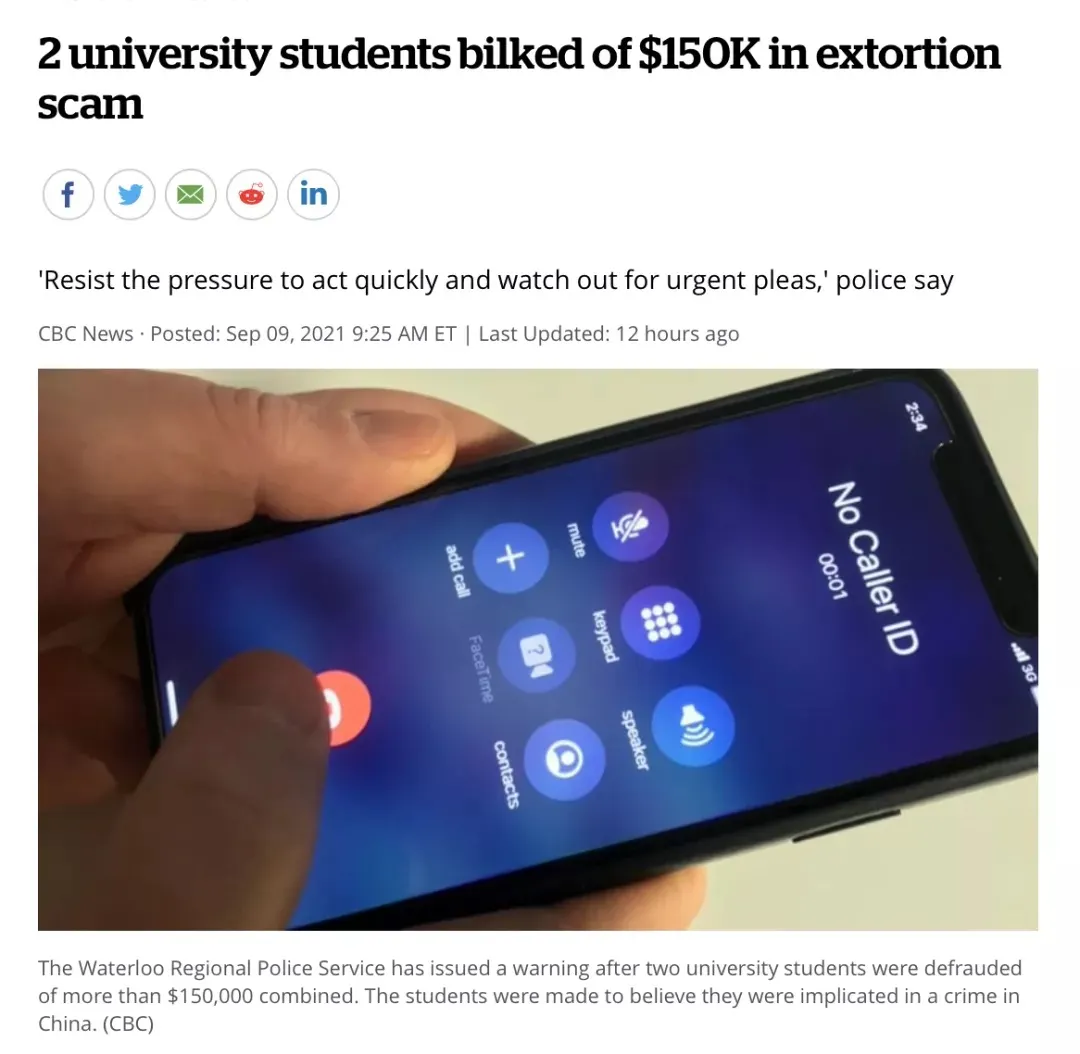
Canada is not faring any better. Recently, two Chinese students at the University of Waterloo received calls from individuals claiming to be Chinese police and were scammed out of a total of 150,000 Canadian dollars.
To help you avoid dual financial and psychological losses, CheersYou(清柚教育) is here to walk you through ten common scams in North America, covering academic, daily life, career, and identity fraud. We hope this helps students and parents stay alert, see through various schemes, and avoid becoming prey.
1. Academic Scams
1) Tuition Payment on Your Behalf, Discount Purchases, Uber Proxy, etc.
Students studying abroad have all sorts of WeChat groups on their phones, and you've likely seen ads like these in them.
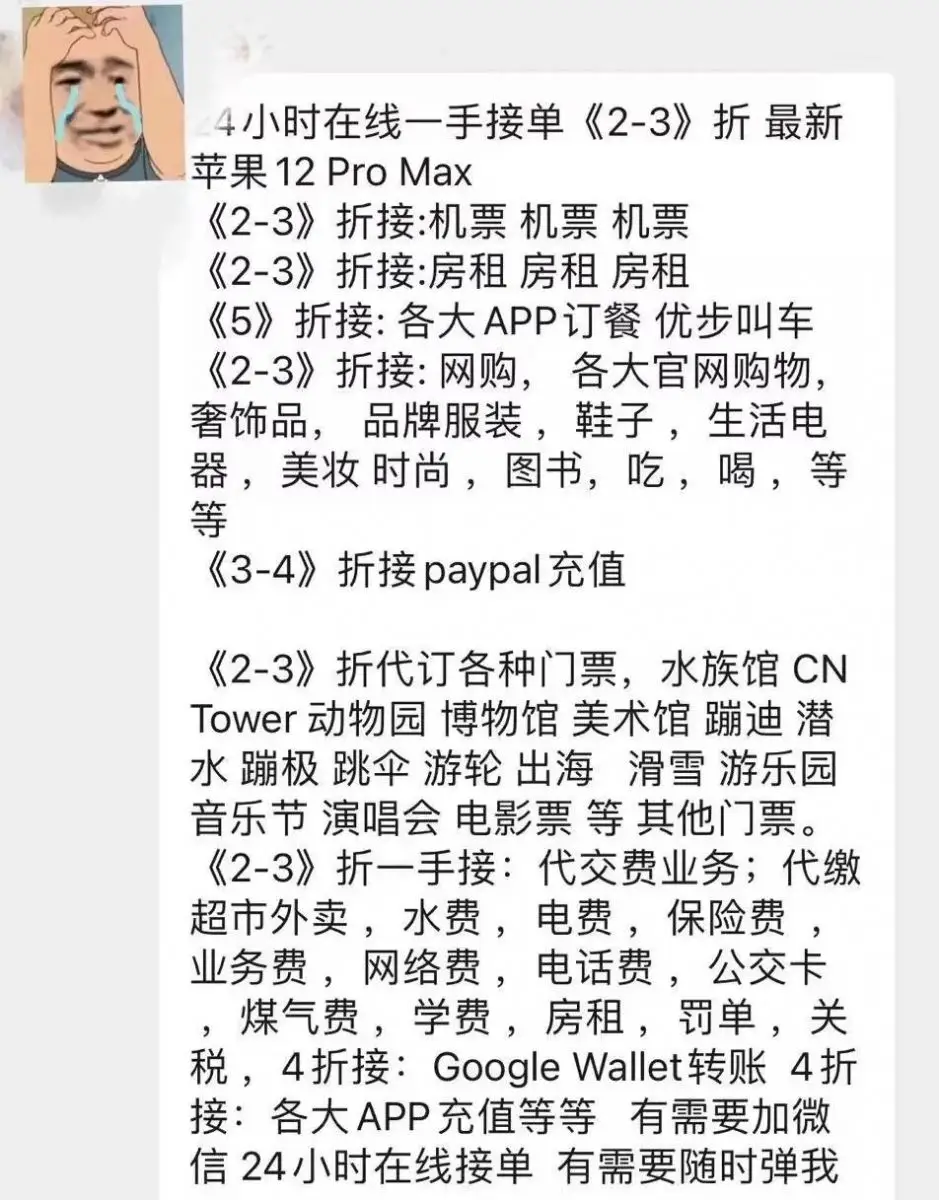
Many international students’ parents are ordinary working people, and seeing ads offering discounted tuition payments naturally sounds tempting. But such pie-in-the-sky offers are always scams. These discounted payments are usually made with stolen credit cards.
After paying your bill and quickly receiving your instant transfer, the scammer will have the charge reversed by the original cardholder within a couple of days. You'll then need to pay the original amount again and potentially face felony charges for “credit card fraud.” You could lose money and risk jail time.
We strongly advise never believing such “too good to be true” WeChat messages.

2) Fake School Emails Stealing Account Credentials
Many new students are bombarded with emails to their university address during enrollment, leaving them overwhelmed. In such a state, it's easy to miss a scam. Some scammers pose as university staff, and the more sophisticated ones even create fake university websites.
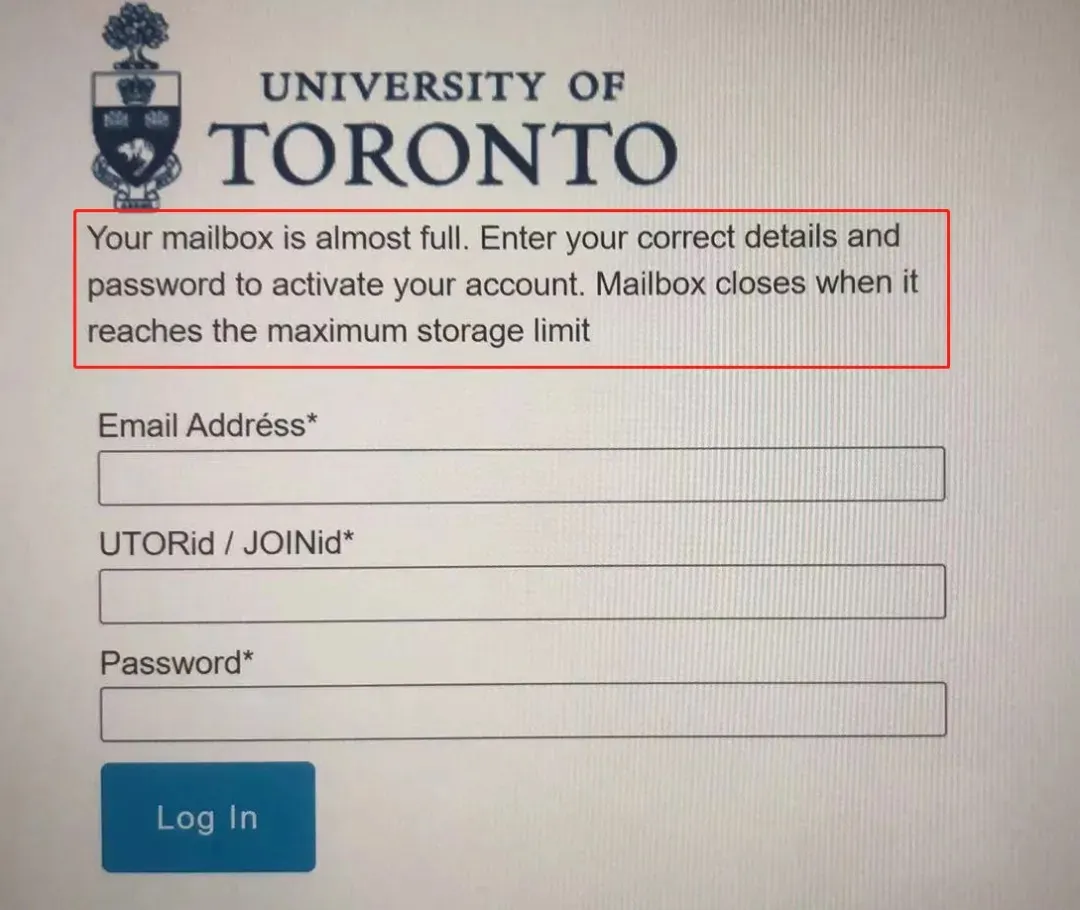
Some time ago, a UT student reported receiving a link in a group chat that led to what looked like the “U of T website” and asked them to enter their username and password to reactivate their account.
A genuine university website will never directly ask for your username and password like this. But many students, especially newcomers, might slip and leak their personal information if they don’t carefully check the URL or sender.

If you accidentally enter your personal info on a fake school website, immediately change your account password on the official site and freeze your tuition account to prevent scammers from siphoning funds or stealing personal data.
2. Daily Life Scams
1) UPS/DHL Package Delivery Scam
Lately, many international students have reported receiving text messages from “DHL/UPS.”
The message states that an important package requiring a signature was missed while they were away, and provides a suspicious link to reschedule delivery and pay an additional service fee.
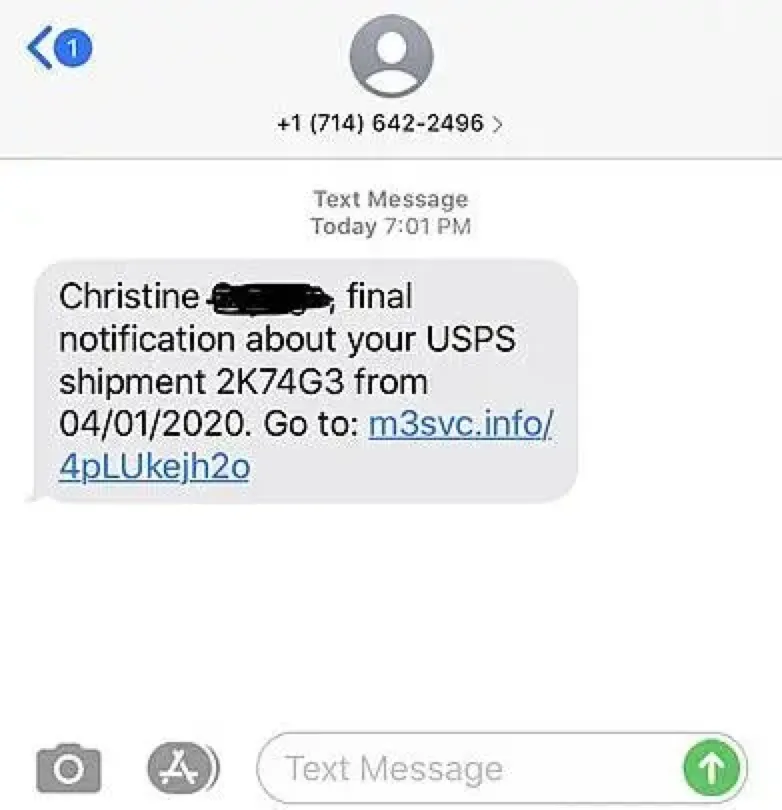
Never click such links! They not only steal your credit card details when you make a payment, but some also contain malware that, once opened, can steal critical encrypted data from your phone, leading to unimaginable losses.
2) Check Fraud in Renting or Selling a Car
Students new to the U.S. may not be fully familiar with the country’s check system.
When posting rental or car sale ads online, you may encounter seemingly great offers from Americans who want to pay by check.
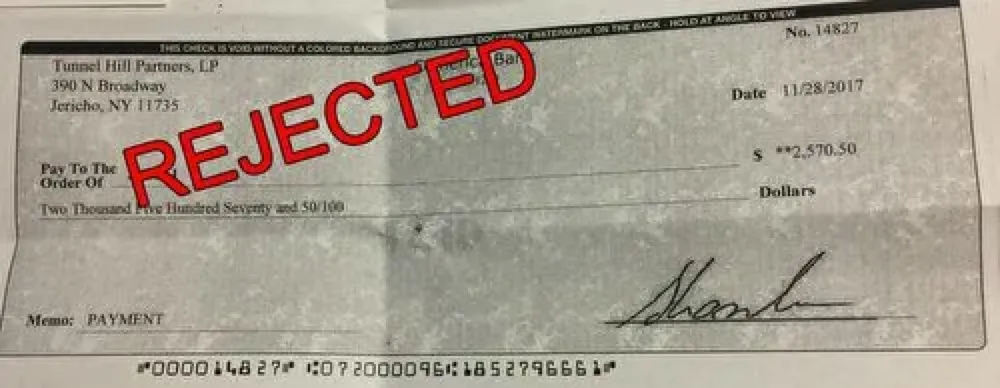
After depositing a check in the U.S., even if the funds appear in your account, the check can bounce days later if the payer’s account has insufficient funds, and the money can be clawed back, effectively becoming a “rubber check.”
If you’ve already transferred the car title or shipped the sold item to the scammer, you’ll have to bear the financial loss alone.
3) Currency Exchange Scams
Many international students are young and inexperienced, often trusting others readily, which scammers exploit.
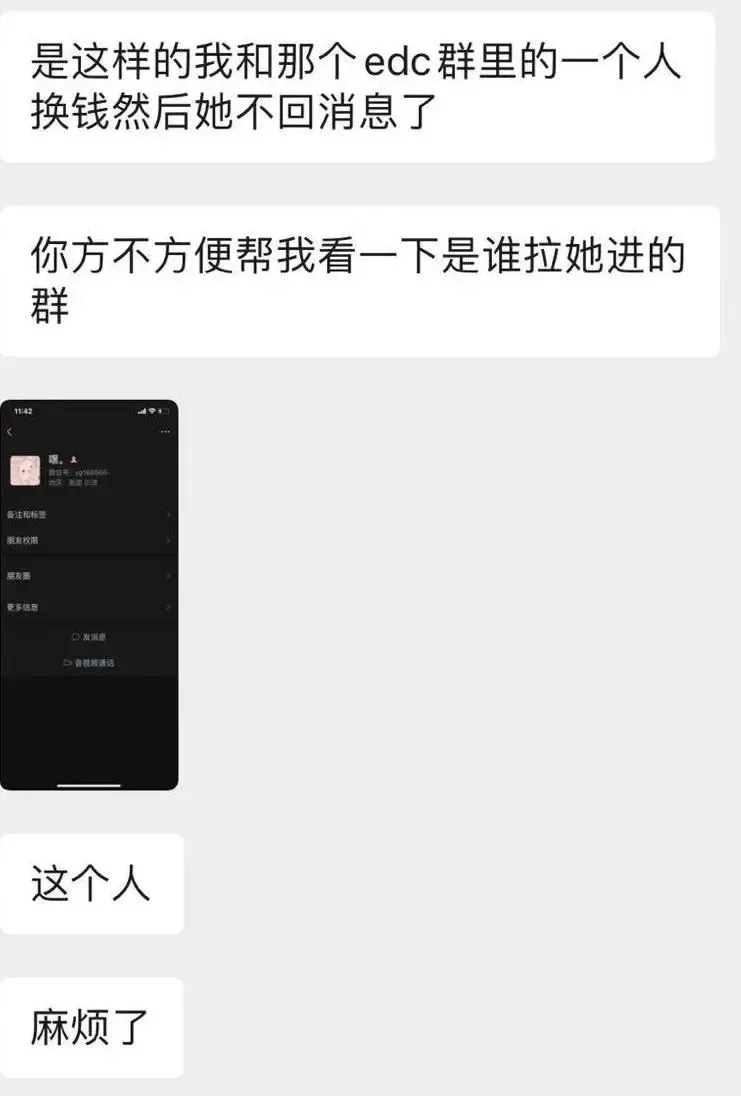
Students who have been in WeChat groups for years have likely seen others expose currency exchange scammers. But scammers create countless WeChat accounts, making them hard to track, and some students still take the risk of exchanging money with strangers for convenience.
CheersYou(清柚教育) reminds everyone here: always exchange currency with someone you know. Even school alumni groups can be infiltrated by scammers. Also, don’t assume that meeting in person is safe—robberies during in-person currency exchanges have been on the rise in recent years. Be wary and deal only with trusted acquaintances!
4) Phishing Sites and Card Skimming at Illegal Restaurants
Online information is vast, and aside from major portals, payment systems on various small shopping websites may not be secure.
Beyond online platforms, even physical restaurants near campus may carry the risk of credit card skimming.
Make sure to regularly check your bank card statements. If you spot any suspicious charges, immediately report them to your bank and cancel the card to prevent scammers from taking further advantage.
3. Career-related Scams
1) Background Checks Stealing Credit Reports and SSNs
Many students are eager to find jobs, and after submitting numerous applications, they often lose track of which companies they’ve sent their information to.
When, after a long wait, they finally receive an interview invitation from a so-called company, joy often leads to carelessness.
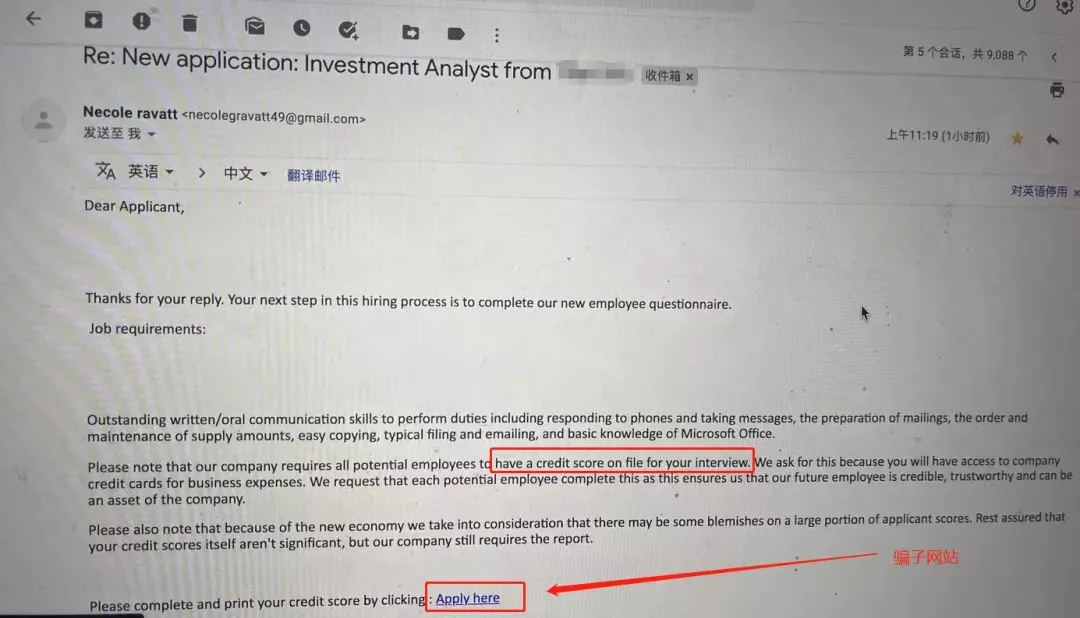
These fake companies may email you a link asking for your SSN or other personal details to provide a credit report for a background check. But in reality, they’re stealing your personal information.
Real company background checks only happen after you’ve interviewed and received a job offer.
Another type of job scam involves inviting you to an in-person interview at a location that isn’t an office—it could be a dingy little room or a café.
The entire conversation may not be about your qualifications, but rather the “interviewer” selling you a grand vision, and you could easily be tricked into paying an “application fee” that lures you into a pyramid scheme.
2) Pig Butchering Scams on LinkedIn Are Everywhere
In recent years, most people have heard of “pig butchering” scams, where scammers contact you via social media, portraying themselves as “high-quality men” or ideal partners.
After chatting for a few days, they’ll lure you into “investing” with them to “make money.” Once you trust them and transfer funds to the website or app they provide, that’s when your “romance” ends.
Now, these pig butchering scams have even infiltrated LinkedIn. They cozy up, feign romantic interest, and ultimately cause massive financial losses. Be extremely cautious when someone with a too-perfect profile suddenly takes an interest in you.

4. Identity-related Scams
1) SSN and Personal Privacy Scams
Identity is a critical concern for international students, and scammers ruthlessly exploit this vulnerability with ever-evolving schemes.
Recently, many international students have reported receiving official-sounding English calls from a polished system recording: “Your Social Security Number (SSN) is about to be revoked due to suspected illegal activity. Press 1 for a representative,” etc.
Panicked students, frightened by the idea of losing their SSN, may divulge all their personal information. Such data can be used by scammers for high-interest loans, illegal account openings, and more.
2) Impersonating Embassies and Organizations for Financial Scams
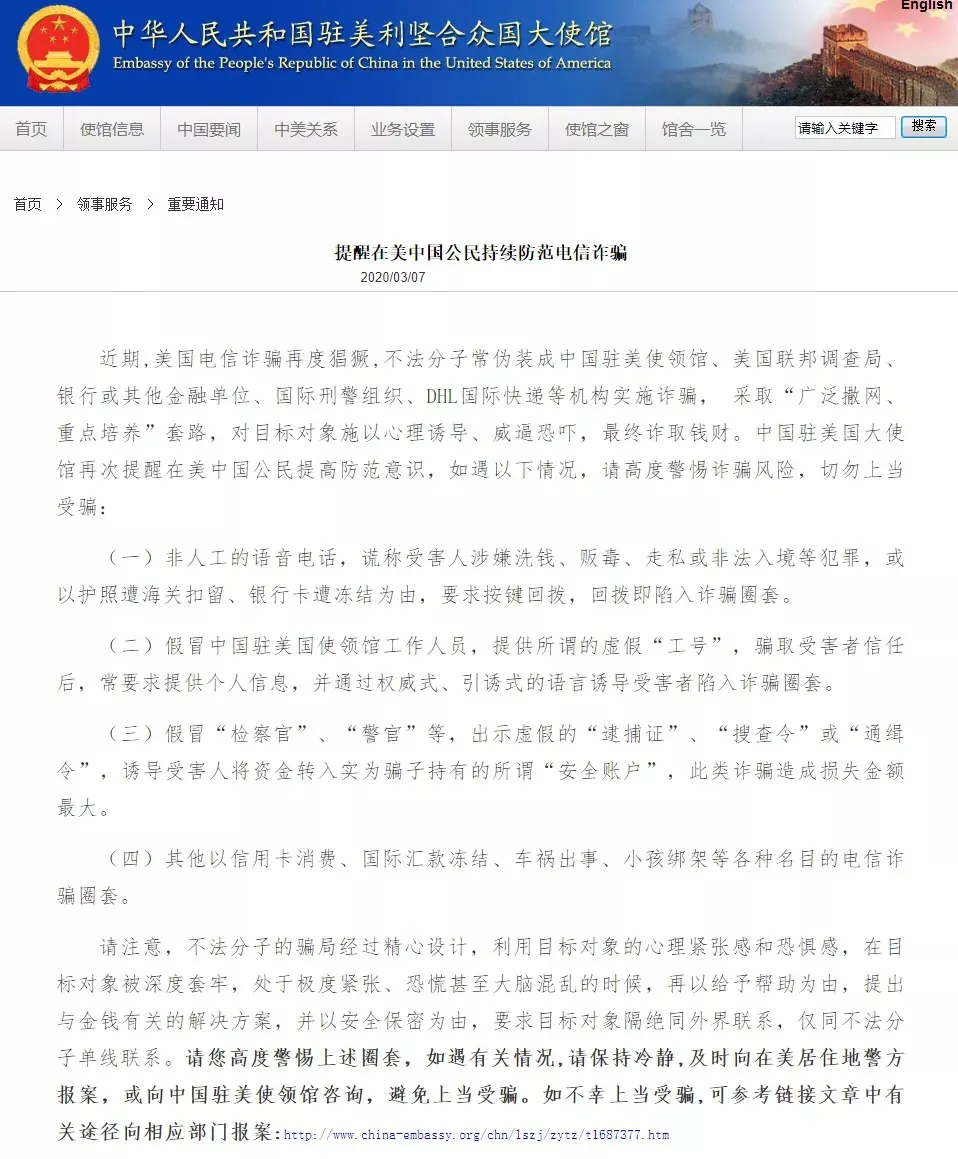
In such cases, fraudsters pose as “embassy officials,” intimidating students with claims of involvement in “drug trafficking,” “money laundering,” or “identity theft,” demanding secrecy during a supposed investigation, and transferring calls multiple times before demanding bail money via remittance.
There have been tragic cases where scammers used phone calls to psychologically control and threaten international students, resulting in losses of over a million RMB for multiple victims.
CheersYou(清柚教育) reminds everyone here: Relevant government agencies or organizations will almost always send an email, not call, if there’s truly an urgent matter. If you receive such a call, immediately contact your school or the Chinese embassy/consulate directly to verify the information. Do not let phone scammers manipulate you into financial losses.
How International Students in North America Can Avoid Scams
Studying abroad is already challenging enough without having to watch out for endless scams.
You should never intend to deceive others, but you must always guard against being deceived. Students must first raise their awareness, learn about common scams, and protect their personal information. Whenever money or personal privacy is involved, communicate promptly with parents, school, or relevant organizations.
1. Emergency Contacts for International Students in the U.S.
If you encounter danger or an emergency in the U.S., call 911 immediately (insisting on speaking Chinese will get you Chinese-language service).
For consular assistance, call the Ministry of Foreign Affairs' 24-hour Global Consular Protection and Services Emergency Call Center at 0086-10-12308 or 0086-10-59913991 (when calling from the U.S., dial 01186-10-12308 or 01186-10-59913991), or contact the Chinese Embassy or Consulates in the U.S.
Consular Protection and Assistance Phone Numbers for Chinese Embassy and Consulates in the U.S.:
Embassy of China in the U.S.: 202-4952216
Consulate General in New York: 212-6953125
Consulate General in San Francisco: 415-2168525
Consulate General in Los Angeles: 213-8078052
Consulate General in Chicago: 312-7800170
2. Emergency Contacts for International Students in Canada
“911” is also the nationwide emergency number in Canada, to be used in life-threatening or extremely urgent situations. Additionally, local police departments have non-emergency numbers.
Emergency consular protection contact numbers for Chinese Embassy and Consulates in Canada:
Embassy of China in Canada: 001-613-5621616 (Service area: Ottawa region, Newfoundland and Labrador, Nova Scotia, Prince Edward Island, and Nunavut)
Consulate General in Toronto: 001-416-5942308 (Service area: Ontario, Manitoba)
Consulate General in Vancouver: 001-604-3369926 (Service area: British Columbia and Yukon)
Consulate General in Calgary: 001-403-5376907 (Service area: Alberta, Saskatchewan, Northwest Territories)
Consulate General in Montreal: 001-514-9338891 (Service area: Quebec, New Brunswick)