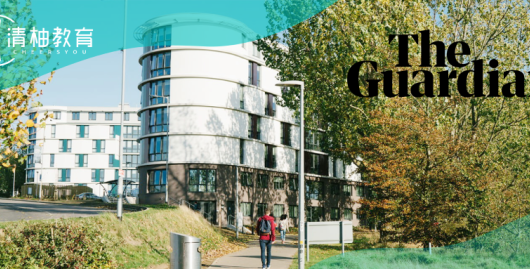
How Much Does It Cost to Rent in the U.S.?
Statistics show that Americans spend about $1.6 million on food, housing, and transportation over a lifetime, with housing accounting for nearly one-third of that cost.
The average rent in the U.S. is $1,249. However, rent varies dramatically by region, with coastal cities typically three to four times more expensive than the Midwest.
California is the most expensive state, with an average rent of $1,901. Four of the five most expensive cities are in California, with Los Angeles topping the list at an average of $2,600.
Types of U.S. Rentals
1. On-Campus Dormitories (Dorm)
Almost all U.S. colleges and universities provide student dormitories. These are usually very close to campus, often within a five-minute walk, or even located right on campus. First-year students at most U.S. universities are required to live on campus to help them better adapt to school life and the new environment.
☞ Pros: Easy access to campus facilities such as libraries, gyms, and dining halls. No need to waste time commuting, which is especially convenient for those without a car. It’s also easier to socialize with classmates, and dormitories are usually the safest housing option.
☞ Cons: Lack of personal privacy. Sometimes you need to share rooms, bathrooms, kitchens, and appliances with others. Rooms are small and expensive compared to off-campus apartments, with poorer conditions and more restrictions, offering less freedom. Some schools require dorms to be vacated for cleaning once a year, meaning dorm residents have to move annually.
Safety: ★★★★★
Comfort: ★★☆☆☆
Commute Convenience: ★★★★☆
Price: ★★★★★
2. Off-Campus Apartments (Apartment)
These are typically residential complexes. Large apartment buildings often have full amenities: gyms, swimming pools, study rooms, computer labs, etc. There’s a dedicated leasing office responsible for showings, lease signing, deposit and rent collection, and daily property management.
Some apartments are built near campus and are called "student housing." These are usually rented only to students, with a setup similar to dorms: you can share with several people or rent an entire unit. You get personal private space, but the rooms are much more comfortable and spacious than dorms. The application process is relatively simple, only requiring personal information, the I-20, and a rental deposit. Student housing comes furnished, and roommates are generally assigned randomly by the apartment, so getting a good roommate is a matter of luck.
Aside from student housing, most off-campus apartments are unfurnished, though some offer furnishings at a higher price. Many off-campus apartments are luxury configurations. For example, New York apartments are not only located in bustling areas like Hell's Kitchen, the Empire State Building, and Times Square but also feature floor-to-ceiling windows and high-rise river views, which are very popular among students.
☞ Pros: Fully equipped, spacious and comfortable rooms, emphasis on private space, and rent lower than dorms.
☞ Cons: Less convenient for those without a car compared to living in dorms, and there’s relatively less connection with the school.
Safety: ★★★★☆
Comfort: ★★★★★
Commute Convenience: ★★★☆☆
Price: ★★★★☆
3. Shared Apartments / Shared Rooms (Studio/House)
These are usually private listings without a leasing office. You sign a lease directly with the landlord. You can rent a single room or an entire unit, splitting costs and household chores among roommates. Shared apartments are great for living with friends, as you split rent and utilities while avoiding the awkwardness of living with strangers, plus there aren't as many restrictions as in dorms. Living with friends means holidays are lively—you might end up partying every night!
☞ Pros: More space than typical off-campus apartments, lower price, the option to live with friends, giving a warmer, homier feel.
☞ Cons: Usually unfurnished, often located far from campus, so having a car is preferable. Common areas aren't professionally cleaned, and there's no management company to handle repairs.
Safety: ★★☆☆☆
Comfort: ★★★☆☆
Commute Convenience: ★★☆☆☆
Price: ★★☆☆☆
4. Homestay with an American Family
Some families in the local community host international students, and schools usually have lists of these families. Homestays are a popular choice for many middle and high school students going abroad, as minors aren’t allowed to rent independently, and parents generally feel that children at this age have less self-control and need adult supervision. Living with an American family requires paying more attention to customs, habits, and social interactions, so most college students don't choose homestays.
☞ Pros: It's easier to quickly integrate into American life and improve English by living with an American family.
☞ Cons: Quality of life heavily depends on the host family—whether you're comfortable is largely a matter of luck. More expensive than apartments or shared housing.
Safety: ★★★★☆
Comfort: ★★★☆☆
Commute Convenience: ★★★☆☆
Price: ★★★★☆
A Beginner's Guide to Off-Campus Apartments
Apartment Layout Types
Common layouts include studio, 1 bed 1 bath, 2 bed 2 bath, 3 bed 3 bath, 4 bed 4 bath, etc. There are also shared bathroom layouts like 2 bed 1 bath or 3 bed 2 bath, where the master bedroom has an en-suite bathroom while other bedrooms share a bathroom with the living room.
A studio is an open-plan unit (living room, kitchen, dining area, and bedroom all in one), so you can decide based on the floorplan.
It’s worth noting that in the U.S., renting out the living room is very common, and most apartments allow partitions. American apartment living rooms tend to be large, so creating a separate room with a partition is entirely possible. For example, a 1B1B unit can become a 2B1B after partitioning, maintaining privacy for everyone while having companionship and splitting the rent.
Living room partitions usually use furniture, screens, or other soft dividers; a very few apartments allow hard walls to be built. Partition costs are around $1,000, typically shared among roommates.
Where Can I Find Rental Listings?
✉ School
Most schools provide detailed housing lists for students to choose from. You can check the school's official website for relevant information. Campus magazines may also feature apartment ads.
✉ Online Forums
Every school has its own online forums where you can find apartment listings or sublet information. You can search for housing-related discussions on Baidu Tieba or similar community boards.
✉ QQ
New students can search QQ groups for their school. Try searching the school's Chinese or English name, or its abbreviation.
✉ Student Associations
Almost every school has a Chinese Student Association. You can find their information online or on the school's official website. They often have newcomer handbooks or forums with housing information.
✉ Rental Websites
Rent.com
Rent.com is one of the most popular apartment rental websites in the U.S., registered in 1998 with a 15-year history. It was acquired by eBay in 2004 for $415 million and sold to Primedia in 2012. Primedia is a site that helps users search for home rentals, apartment rentals, and new home sales information.
Zillow is an American home sale consulting website that provides free real estate information, including home sales, historical sales, home valuations, and property searches. Just enter an address, and you can find the home's past selling prices, current value, and details about the property itself. The site is very user-friendly and even offers satellite photos, giving you a look at the house and its surroundings—very useful for reference.
Trulia is a real estate search website that uses Google Maps API. It shows a list of homes that match your chosen type and location, generating specific images via Google's API so users can get more detailed information.
Provides millions of apartment listings nationwide, with interior and exterior photos, floor plans, and neighborhood information. Apartments.com also offers professional property management services.
Realtor.com is the world's largest home sales real estate database and the official website of the National Association of Realtors. It features over 4 million listings for sale or rent, with more than 13 million visitors per month. REALTOR.com also provides comprehensive real estate guides, property news, mortgage calculators, and more.
https://losangeles.craigslist.org/
Craigslist is the most popular classifieds site in the U.S. Although it looks plain, it's one of Americans' favorite websites. Craigslist is a free, open platform where all listings are free and unrestricted; the site mainly relies on user feedback to monitor malicious content. Most listings are posted by individuals, so you can find rental information in your city here and save on agent fees.
How to Apply for an Off-Campus Apartment?
Unlike private listings, tenants must first submit an application to the apartment. The leasing office reviews the tenant's personal information, background, and financials. Once approved, the tenant can sign the lease, pay the deposit and rent, and move in.
Submitting an application means filling out the apartment's form. The apartment will also require documents such as your passport, I-20, and bank statements to verify your identity and financial status. Some apartments charge an application fee (usually $30–$50) for a background check, which mainly checks credit history—this is primarily for Americans; international students often have no credit history upon arrival. Some apartments may require a parent's signature, or they may ask you to find a U.S.-based co-signer with credit history; otherwise, you'll pay a higher deposit.
Essentially, the apartment wants to see whether you or your family have sufficient financial resources to cover the rent during the lease. Generally, apartments accept applications from international students and will quickly inform you to pay the deposit, using money to confirm your genuine intent to rent.
Some apartments require a holding deposit at the time of application. Once the application is approved, the unit is taken off the market, meaning no one else can apply for it. The holding deposit is then applied toward the security deposit. If the application is denied, the holding deposit is refunded.
After sorting all this out, staff will confirm your move-in date and tell you the exact location of the leasing office. You can head straight there to check in once you land!
What to Watch Out for with Private Rentals?
Tips
On many school forums and social media platforms, you’ll see rental ads from Chinese landlords. Communicating in your native language makes things much easier. If you want to find an American landlord, you can look on Craigslist—similar to 58.com in China, it has tons of listings, but it’s hard to tell what’s genuine; so be sure to keep your eyes open.
Local Chinese community forums, student forums, Weibo, and other platforms usually have housing sections. As long as they aren't blocked, you can view rental information and contact landlords from within China. The advantage is finding Chinese landlords/roommates, making communication easy. However, the posted information is often incomplete; some ads don’t even specify the exact location, just saying "close to school," so you’ll spend a lot of time communicating, negotiating, and even bargaining.
The upside of private rentals is they’re relatively cheaper, but without a leasing office to manage the process, you’ll need to communicate more with the landlord. Ask whether utilities are included, if there’s furniture, what documents are needed, parking availability, and so on.
Additionally, when looking at private rentals, it’s highly recommended to view the property in person and ask the landlord to provide proof of ownership to ensure the person you’re dealing with is indeed the owner. Rental scams happen worldwide, so don’t let your guard down. Losing money is bad, but being temporarily homeless is worse.
Safety
The biggest concern with private rentals is neighborhood safety. When I (CheersYou(清柚教育)) lived off campus, the police once posted a "Sex Offense Notice" on our door, which scared my roommates to death—we checked the locks a hundred times every night after that.
So I’ve summarized a few websites where you can check neighborhood safety and crime rates. Before deciding on a rental, you can first check if the area is safe.
FamilyWatchdog: https://www.familywatchdog.us/
AreaVibes: http://www.areavibes.com/
NeighborhoodScout: https://www.neighborhoodscout.com/
CrimeReports: https://www.crimereports.com/
SpotCrime: https://spotcrime.com/
Finding a rental requires patience. I suggest that students who are completely unfamiliar with the U.S., especially those without close friends to live with, should stay in on-campus dorms. Not only is it convenient for classes, the library, and the dining hall, but most importantly, it's safe!
If you choose to live off campus, be sure to select a safe area. This is especially important for private rentals—not only should the apartment complex itself have a high safety rating, but you should also verify the landlord's credibility and scrutinize every clause in the lease to avoid financial disputes.
That wraps up our overview of renting in the U.S. We at CheersYou(清柚教育) wish all students heading abroad the best of luck in finding a suitable room—and great roommates!